
Suspected Drug Hub in Son Amonda: Why a House Becomes a Danger
Suspected Drug Hub in Son Amonda: Why a House Becomes a Danger
The Guardia Civil storms an occupied house in Son Amonda (Inca). At least three arrests; cocaine, marijuana and hashish seized. Key question: How can the island stop such hotspots in the long term?
Suspected Drug Hub in Son Amonda: Why a House Becomes a Danger
Raid in Inca, sniffer dogs deployed, neighbors concerned
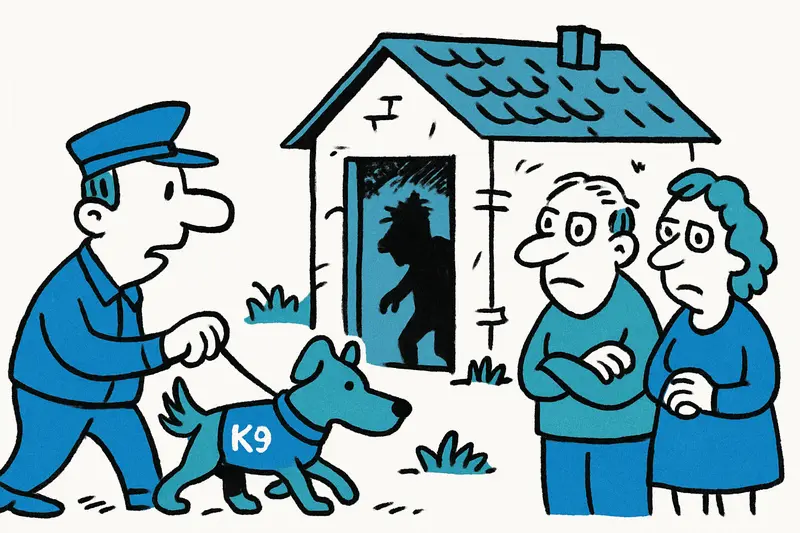
On Tuesday morning the Guardia Civil, with sniffer dogs, entered an occupied residential building near Carrer de Escorca in the Son Amonda district of Inca. According to available information, several narcotics - including cocaine, marijuana and hashish - were seized in the apartment. At least three people were arrested. Investigations are ongoing; this parallels Quiet raid in Palma: Arrest after neighborhood tips — and what's still missing.
Key question
Key question: Why does a permanent sales network develop at certain addresses in Mallorca, even though neighbors repeatedly raise the alarm and authorities express concern about the proximity to schools?
Critical analysis
The scene was typical: officers' boots on the asphalt early in the morning, dogs eagerly searching fences, and upset residents who had long complained about increased traffic and unfamiliar faces. Such operations are necessary in themselves, but they do not automatically solve the problem. A confiscated stock of drugs is not an answer to how an occupied house can become a recurring distribution point. Often several factors coincide: lack of pressure on owners, precarious housing situations, local demand, and a missing link between police actions and social support — issues highlighted after Major raid in Son Banya: Arrest of the alleged drug boss — and then?.
What's missing in the public discourse
The debate often remains at the action level: raid, seized drugs, arrests. Rarely is there an in-depth discussion of the causes. There is a lack of examination of how vacant or occupied properties are transformed into operational spaces for dealers, what role communication between municipality, school and police plays, and how those affected - both users and neighbors - are provided with social support after a raid. Similar cycles of demolition and rapid reoccupation have been reported when Police stop new drug shacks in Son Banya — residents briefly breathe a sigh of relief. The perspective of the nearby school, concerns about children's routes and playgrounds, is also often only mentioned in passing.
A scene from everyday life in Inca
Those who drink their café con leche at the Plaça d'Inca sometimes hear the clattering of shop shutters, the laughter of older gentlemen and, on certain corners, the muted murmur of telephone conversations. On Carrer de Escorca a family stands in front of the school waiting for their child; on the pavement neighbors discuss the nighttime visitors at the occupied house. The morning raid there caused more relief than surprise - many had long called the police and felt they had not been properly heard.
Concrete solutions
1) Local coordination teams: A fixed contact person in the municipality who links police, social services and the school so that complaints lead to faster measures and preventive steps are coordinated. 2) Enforce owner obligations: If a house is repeatedly occupied, municipalities must act faster and, where necessary, consider compulsory measures or impose obligations on owners. 3) School protection measures: Visible patrols on school routes, information offers for parents and anonymous reporting channels if pupils are approached. 4) Prevention work: Low-threshold services for consumers, combined with clear alternatives to criminal prosecution for pure users. 5) Transparent follow-up: Inform the public about the progress of investigations without endangering inquiries, so that residents retain trust.
Conclusion
Raids have a short-term effect. In the long term, clear rules for vacant buildings, closer cooperation between social services and the police, and genuine protection measures for schools help. If these elements are missing, the next hotspot will emerge - around the next corner.
Frequently asked questions
What happened in Son Amonda, Inca, during the Guardia Civil raid?
Why can an occupied house in Mallorca become a repeat drug dealing point?
Are Mallorca school routes affected when police investigate drug houses nearby?
What can Mallorca authorities do after a drug raid to stop the problem returning?
Why were sniffer dogs used in the Son Amonda raid in Inca?
What do neighbours in Inca usually notice before a suspected drug house is raided?
Is a police raid enough to solve drug problems in Mallorca neighbourhoods?
What should residents in Mallorca do if they suspect a house is being used for drug dealing?
Similar News

Fewer Airlines, Fewer Destinations: What Palma's Winter Flight Schedule Means for Mallorca
Analysis shows: Winter at Son Sant Joan Airport will be quieter, with significantly fewer airlines and destinations. Who...
German tourist dies in Sa Calobra – a reality check for emergencies on Mallorca's beaches
A 40-year-old tourist died at the Torrent de Pareis. The emergency call, a doctor who happened to be present, a defibril...
Deadly Tractor Accident in Bunyola: What Needs to Be Done Now
In a work accident on an estate near Bunyola, a roughly 40-year-old man lost his life. His wife and a small child were o...
Head-first dive into the shallow part of Cala Fonoll: An accident and the unresolved question of responsibility
A young tourist dove into Cala Fonoll and was seriously injured. Key question: Why are clear warning signs missing at da...
Mistaken identity with fatal consequences: Brutal assault in S'Aranjassa — what's missing in the follow-up?
At S'Aranjassa a visitor to a finca was tied up, beaten and thrown out of a van. Three men have been arrested, including...
More to explore
Discover more interesting content

Can Cap de Bou

Townhouse Lleo 72
