
Suspicion of Date-Rape Drugs in Palma: Trial, Questions and the Gaps in the Protection System
Suspicion of Date-Rape Drugs in Palma: Trial, Questions and the Gaps in the Protection System
A German man is on trial at the Palma court accused of rape; prosecutors suspect date-rape drugs were involved. What is missing in the investigation and how can Mallorca be made safer?
Suspicion of Date-Rape Drugs in Palma: Trial, Questions and the Gaps in the Protection System
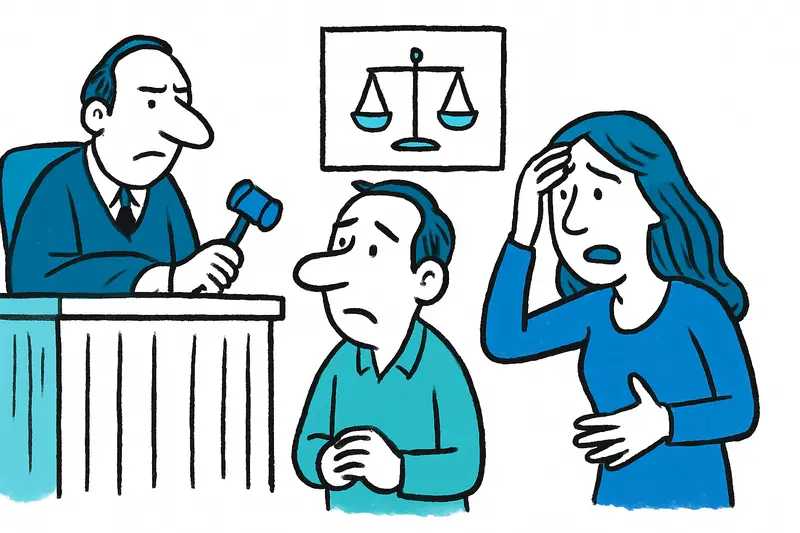
A criminal trial has begun at the court in Palma that revives an old fear on the island: the prosecution accuses a German national of sexually abusing a woman in an apartment in Palma after she was reportedly found unconscious or heavily impaired. The public prosecutor is seeking a multi-year prison sentence; similar local cases have led to sentences, for example Palmanova verdict: Two years in prison — and what Mallorca must learn now. Key details from the case: the incident is said to have occurred on the night of October 30 nearly four years ago, the woman reports memory gaps, the timeframe for the incident is given as roughly between 1:30 and 4 a.m., and the victim describes nausea, vomiting and traces of an unknown person in her home.
Key question
Key question: How far does the responsibility of bars, police and health services extend when there are indications of date-rape drugs, and why is it so rare that such cases are investigated quickly enough to produce court-admissible evidence?
Critical analysis
The proceedings highlight two main problems: forensic evidence and the short time window in which samples are still usable. If a victim only goes to hospital hours after a possible assault, toxicological traces are often diluted or no longer detectable. That complicates investigators' work; a negative test result does not automatically mean nothing happened. The same applies to witness statements, which can become unreliable because of memory gaps. Added to this is the hard-to-control practice in bars and on the streets: leaving drinks unattended is commonplace in many of the city's bars — on Calle Industria as well as in the small side streets around the harbour quarter. Owners, staff and night-time visitors share a duty of protection that is currently lived out more informally than legally enforced.
What is missing in public discourse
There is a lot of talk about punishments and trials, but little about practical, preventive measures on the ground. There is no reliable, low-threshold offer that protects victims immediately after an incident and secures evidence: transparent protocols in clinics, free test kits in emergency departments and rapid lab capacity in the Balearics. The role of the night-time economy — staff training, control mechanisms in venues, reporting channels between bars and police — is rarely discussed systematically. Finally, there is uncertainty in the tourism sector: how can visitors from abroad be realistically informed about risks without causing panic? Recent proceedings involving foreign visitors, such as Trial in Essen: Four Germans charged over alleged incident in Mallorca, underscore the challenge. Port and transport checks are also relevant, as shown by incidents like Drug discovery on a ferry from Barcelona: Three arrests in Palma and the questions that remain.
Everyday scene from Palma
It is shortly after midnight, a warm breeze drifts over the cobbles of Calle Industria, scooters echo at the corners, a waiter clears glasses from a table, the scent of beer mixes with espresso. Groups laugh, some have briefly left a glass on the table. Such small lapses are everyday life on Mallorca; they are enough to create risks. The neighbour who wakes up the next morning with a severe hangover, and the friend who stays by her side — these are scenes that repeat here and too often remain without clear assistance.
Concrete solutions
1) Strengthen the medical immediate-response chain: emergency departments on Mallorca need binding protocols for suspected cases, including immediate blood and urine sampling and free initial psychosocial care. 2) Expand rapid laboratories: toxicological analyses require that samples can be stabilised and forwarded within a few hours. 3) Train and regulate the hospitality sector: courses for bar staff on early detection, safe drink handling and reporting duties should be promoted and certified. 4) Public information in multiple languages: information campaigns (Spanish, Catalan, German, English) with clear behaviour rules and guidance on where and how victims can get help. 5) Legal clarity and liability rules: municipal regulations could hold operators more accountable, for example through rules on drink safety or fines for proven negligence. 6) Anonymous reporting channels and aftercare: victims must have access to anonymous counselling centres and long-term psychological support — one year of therapy, as reported in this case, must not be the only response.
What courts and politics should do
The judiciary must conduct evidence collection carefully; at the same time, it would make sense for courts and authorities to work together on a data basis in cases with possible date-rape-drug characteristics to identify patterns: locations, times, frequent venues. Political decision-makers on the island should examine which departments are responsible — health, tourism, interior administration — and initiate coordinated measures. Only a bundle of prevention, rapid forensics and victim protection can close the gap between incident and verdict. Coordinated measures could also respond to wider organised activity revealed in reports such as Raid on Mallorca: Network of Drug Trafficking and Money Laundering Shakes Palma and Surroundings.
Concise conclusion
The trial in Palma casts an uncomfortable light on structural weaknesses: weak evidence, gaps in immediate medical help and a lack of prevention in the night scene. Those who go out at night in Mallorca rely not only on luck but also on a fragile network of rules and support services. It is high time to mend that network not only legally but practically — with faster forensics, better hospital protocols, trained staff and clear reporting channels. Without these steps many questions remain unanswered and victims are left too often to fend for themselves.
Frequently asked questions
When is the best time to visit Mallorca for pleasant weather and fewer crowds?
What should I pack for a Mallorca trip to stay comfortable and prepared?
Is the water in Mallorca typically warm enough for swimming, and when does it feel best?
Which beaches around Palma are good for families and easy to reach?
What can I expect from hiking in the Serra de Tramuntana?
How reliable is public transport in Mallorca for visiting different towns without a car?
Are there practical safety tips for driving in Mallorca?
What should I know about weather patterns in Mallorca across seasons?
Similar News
Raid at Playa de Palma: When Homemade Bars Become a Problem
Between September 11 and 13 police at Playa de Palma seized 18 speakers and issued 24 charges. Who draws the line betwee...
Burglary in Llubí: Arrest Raises Questions About Security in Mallorca's Countryside
A 21-year-old was arrested in connection with a burglary in Llubí. Cash, jewelry and electronics worth around €40,000 we...

Lost Trust: How a Phone Theft in Peguera Exposes Police Responsibilities
A 90-year-old holidaymaker is robbed in broad daylight in Peguera. His passage through police stations and taxi receipts...
When many security screeners suddenly fell ill: Who protects the passenger?
Short-notice sick reports at a large security company led to long queues at Cologne/Bonn airport. A reality check for tr...

Suspected Drink-Spiking in Palma: Trial Calls for a View Beyond the Courtroom Record
At the Palma court, the trial begins against a German defendant: the prosecution seeks twelve years in prison. What's mi...
More to explore
Discover more interesting content

Can Cap de Bou

Townhouse Lleo 72
