

Tanker Sinks off Ibiza: What Matters Now Is Reliable Clarity
The sinking of a tanker off Ibiza raises questions that reach far beyond the site of the accident. What matters now is verified information about its cargo, possible leaks and the next steps to protect the environment.
A tanker sinks off Ibiza—and the crucial questions are only just beginning
When a tanker sinks off Ibiza, attention immediately turns to the sea. But not only to the spot where the ship disappeared. The Balearic Islands lie in the middle of a busy shipping route, and the islands are closely connected through currents, ports and fisheries. What happens there could matter for Mallorca. So the key question is not just: How did the accident happen? It is also: What might enter the water, where could it drift, and how can this be reliably checked?
Clear answers to these questions do not automatically emerge in the first few hours. A sinking ship may have fuel or other substances on board; whether anything leaks, in what quantity and with what consequences depends on many details. Without verified information about the wreck’s condition, its cargo and test results, any specific claim about pollution would be premature. It is just as unhelpful to declare the all-clear before the situation has been thoroughly investigated. Between alarm and reassurance lies the work that matters now: measuring, documenting and making the findings public.
What the public needs to know
In an incident like this, information should not stop at the announcement that a ship has sunk. Regularly updated details are important: what substances were on board, whether any tanks have been damaged and what investigations are under way. The public should also be told who is collecting the data and how the results are being verified. This is not a call for dramatic images or hourly speculation. It is the basis for residents, fishers, port operators and communities to assess the situation.
The period between an initial warning and a reliable picture of the situation is particularly sensitive. Short videos and claims spread faster than explanations during this time. A dark patch on the water could be many things; conversely, an empty horizon does not prove that everything is fine below the surface. Authorities should therefore say not only what they know, but also clearly identify what remains unknown. A well-founded next update is more valuable than a reassuring statement without verifiable evidence.
Questions of responsibility must not be left in the fog, either. These include the technical investigation into the accident, the assessment of possible environmental damage and clarification of who is responsible for recovery and protective measures. This takes time. But time must not become an excuse to withhold information indefinitely. A public log listing dates, sampling locations and methods would help make developments traceable—and distinguish later claims from actual findings.
The sea is not a backdrop
In Mallorca, the Mediterranean can often feel far removed from risks like these in everyday life. At the Port of Palma, ropes clatter against masts in the morning, a delivery van manoeuvres, and someone sets the first coffee of the day on a small counter. The sea is familiar, almost incidental. That is precisely why it is easy to dismiss an accident off another island as something distant. Ibiza may not be next door on the map. But in the shared waters of the Balearics, no island boundary can reliably stop possible contamination.
This does not mean that Mallorca is affected. There is no verified basis for that claim. It means that the authorities responsible must monitor the situation closely enough to detect any change in time. Test results should be published in a way that can be understood and checked, and any unusual readings should prompt clear guidance for affected coasts and businesses. Fishers should know where to report observations. Communities need a clear point of contact, not just a collection of technical notices that leaves everyone to piece together their own version of the truth.
Concrete steps, not mere reassurance
A sensible response to the accident starts with a shared information page, regularly updated by the relevant authorities. It should list confirmed facts, open questions and the time of the next update separately. It should also include independent water samples taken at clearly identified locations, with results and testing methods made publicly available. If protective measures become necessary, they must be tied to clear criteria: What triggers a warning? Who decides on restrictions? When will they be lifted?
Preparation is just as important in case substances do leak or wash up on the coast. Responsibilities among maritime rescue services, environmental authorities, ports and local administrations should be clear before the first visible trace reaches shore. The public needs concise, practical guidance: What should you do if you find something? What should you avoid touching? Where should you report a sighting? These answers may not be dramatic. That is exactly what makes them valuable.
The sinking off Ibiza is a reason not only to focus on the wreck, but also to examine the gaps in the flow of information. Good intentions alone cannot protect the sea. It takes verifiable data, prompt decisions and a public that is informed before rumours have filled the void left by uncertainty. The pointed conclusion: trust is not built by the loudest all-clear, but by an answer that shows what it is based on.
Frequently asked questions
Has the tanker sinking off Ibiza affected Mallorca?
Is it safe to swim in Mallorca after a tanker sank off Ibiza?
Is fish from Mallorca safe to eat after the tanker accident near Ibiza?
What should I do if I find oil or unusual material on a Mallorca beach?
How do authorities check whether a sunken ship has polluted the sea?
What information should authorities share after a tanker sinks in Balearic waters?
Why can’t authorities give an immediate all-clear after a tanker sinks?
Can pollution from a shipwreck near Ibiza drift towards Mallorca?
Similar News

Mallorca in Late Autumn: When the Northwesterly Wind Turns the Day Upside Down
Thursday will be cool, gusty and occasionally wet on Mallorca. After a windy day, the weather is expected to settle down...

A Red Smile with Staying Power: TUI Brand Turns 25
Since 2001, the TUI logo has linked the different divisions of the travel group. On Mallorca, it now represents a brand ...
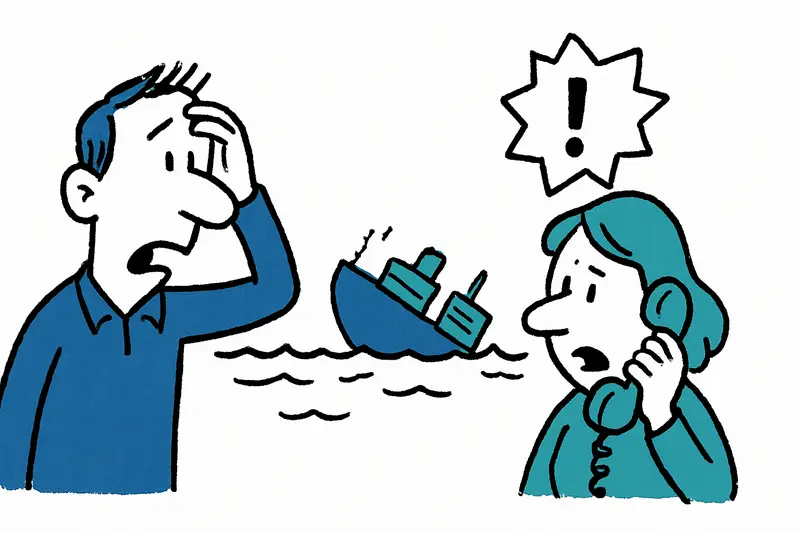
Tanker Sinks off Ibiza: Alert Level 2 Is a Precaution, Not an All-Clear
A cargo ship has sunk about 25 nautical miles off Ibiza. Spain is reinforcing its response teams over the risk of diesel...

Palma’s Shared-Room Prices Are Rising: When Even a Room Becomes a Housing Issue
A room in Palma costs an average of €586 a month. The figures show more than rising rents: supply is struggling to keep ...
Endangered Balearic Lizards: Why Mallorca Is Only Part of the Story
When discussing endangered lizards in the Balearic Islands, it is worth taking a closer look at the map: endemic species...
More to explore
Discover more interesting content

Can Cap de Bou

Townhouse Lleo 72
