
How a Ten-Year-Old Was Left Alone for 140 Kilometers: A Wake-Up Call After the Gas Station Mishap
How a Ten-Year-Old Was Left Alone for 140 Kilometers: A Wake-Up Call After the Gas Station Mishap
A child got out at a highway service station and was only found again 140 kilometers later. How can this happen, what's missing from public discourse, and which simple rules would prevent such mistakes?
How a Ten-Year-Old Was Left Alone for 140 Kilometers: A Wake-Up Call After the Gas Station Mishap
Leading question: How can a child be left at a highway service station and why isn't a reminder from the Guardia Civil enough?
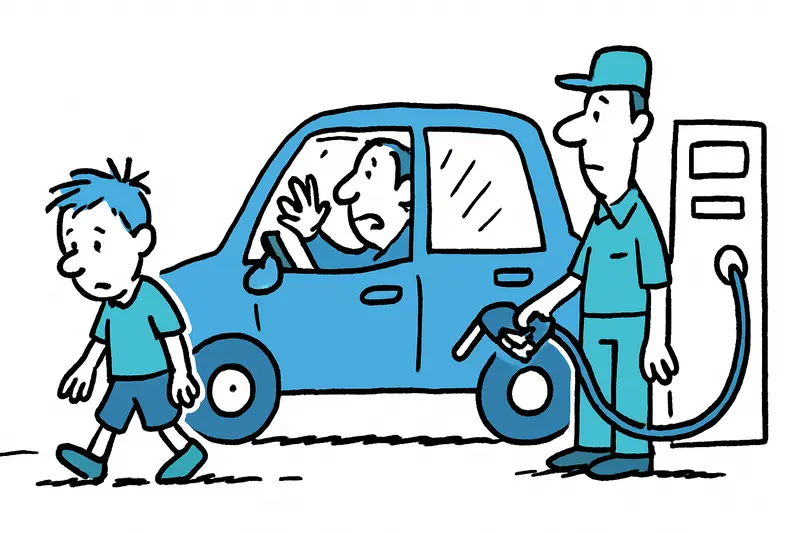
The core of the story is quickly told: a ten-year-old boy left the car after a stop at a service station in Aldea del Cano (province of Cáceres), did not get back in, and was reunited with his family hours later — about 140 kilometers away in Hervás — by the Guardia Civil. Investigators saw on surveillance footage that the child had exited the vehicle; similar local cases include the Six-year-old girl found ten kilometers away.
At first glance this sequence seems like an absurd mishap. On closer inspection, however, it reveals several weaknesses: human distraction, routines that create trust instead of checks, and a public discourse that too often assumes such things "don't happen." In a country where families travel a lot — whether from Palma to the mountains or on summer trips to the mainland — this should be a warning signal.
Critical analysis: the failure did not begin at the service station. Often multiple factors combine: fatigue after a long drive, distraction from smartphones, the rush to get back on the road, or the assumption that children will automatically follow when the car starts again. Parents divide attention: one fuels, one pays, one checks the route. Who carries responsibility remains diffuse.
What is missing from public discourse: We rarely talk about simple, reliable routines. The discussion focuses on spectacular accidents, technical innovations, or blame. It almost never addresses practical habits that parents and companions can apply daily — a short, systematic check before departure, a simple counting song, visible signs in the car (open shoe bags, a toy on the dashboard) or a firm rule about who closes the door and scans the back seat after everyone gets out.
Everyday scene in Mallorca: Picture it like this: it's a late-summer morning on Passeig Mallorca, scooters hum, delivery vans turn down Carrer de Sant Magí, and families load suitcases into station wagons. No one thinks about how quickly attention gets sliced thin. On the drive to Alcúdia there's a short stop at a service area, café con leche, children run to the vending machine — a familiar scene. It is exactly here, in that routine, that the risk lurks.
Concrete solutions — quick to implement and low-effort:
1) The "door-to-backseat" routine: Always, before the engine starts, the responsible person systematically checks all rear seats. A quick glance takes less than five seconds and prevents many mishaps.
2) Visible reminders in the vehicle: A small sign on the steering wheel or rearview mirror reading "Check back" or a conspicuous bag on the passenger seat can serve as a reminder.
3) Phone and travel rules: During breaks avoid phone calls that completely distract. Before driving off, audibly count every passenger — the classic method works.
4) Involve service stations: Gas station operators could post simple reminders at pumps and train staff to watch for unattended children near vehicles and, if necessary, ask about them, as other incidents at petrol stations have shown, such as when 480 euros found at a petrol station led to a criminal complaint.
5) Awareness campaigns by authorities: The Guardia Civil advised caution; a single reminder is not enough. A targeted, recurring campaign with practical checklists would be more effective in cities like Palma and at airports than a preventive poster.
Technology can help but does not replace habits: Many modern cars alert to open doors or unbuckled seats. Such systems are useful, but they are not a cure-all — not everyone drives a new model, and electronic warnings can be ignored.
What is often missing in the response to such incidents is taking responsibility beyond assigning blame. Parents feel ashamed, politicians and operators treat dangers as isolated cases, as in the incident when a baby disappeared from a bar. Yet prevention is affordable and banal: a routine, a look, an instruction. That does not change that the Guardia Civil acted correctly: they took the emergency call, launched a search, and found the child. But the incident must not end as merely a cautionary anecdote.
Conclusion: This case is not just a slip-up but a wake-up call. On Mallorca as on the mainland, small habits protect children. A quick look at the back seat before every departure, clear task allocation during stops, and a few simple reminders in the car take almost no time and could prevent a child from being left hundreds of kilometers alone in the future. Anyone who regularly travels with children should make these five seconds mandatory.
Frequently asked questions
What is Mallorca's weather like year-round and when is the best time to visit?
Is it safe to swim at Mallorca's beaches?
What should I pack for a trip to Mallorca?
How can I get around Mallorca?
What are some classic Mallorca experiences to seek out?
Is there a time of year when Mallorca is less crowded?
What should I know about Mallorca's beaches and coastal conditions?
What essentials should I know about Mallorca when planning travel logistics?
Similar News
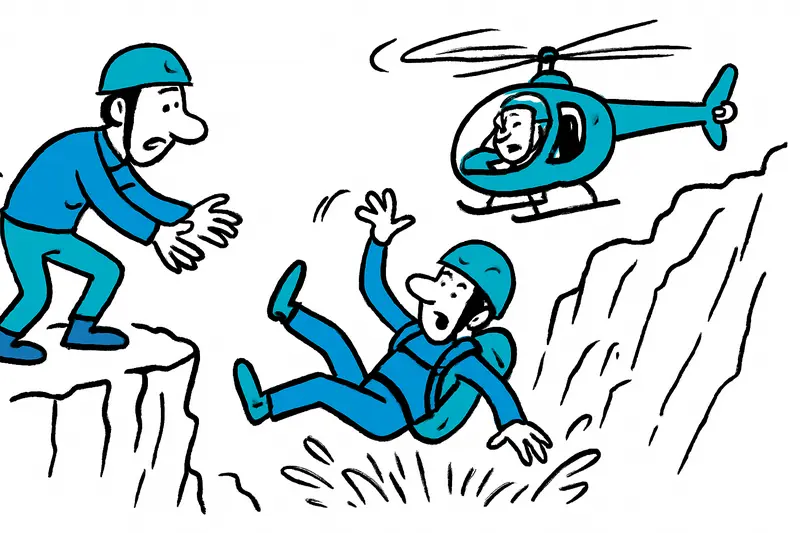
Serious canyoning accident in Sóller: What the fall in the Torrent de ses Llemes reveals about safety on the island
A 51-year-old man fell about seven meters in the Torrent de ses Llemes. Helicopter rescue, handover to an advanced emerg...
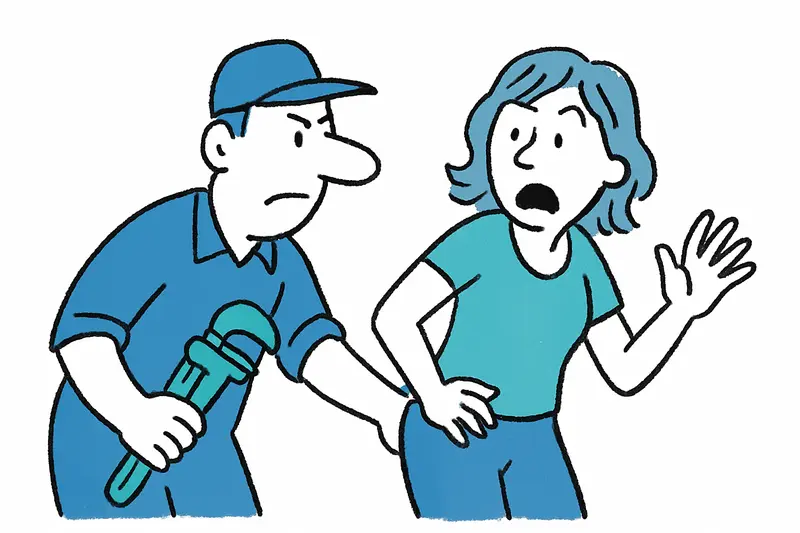
When the tradesman crosses the line: An assault in Palma and what's missing now
A woman reports a sexual assault by a plumber in Palma. The National Police arrested a suspect who was later released. W...
Two new cafés with terraces at the departure area of Palma Airport
Just before the gate: Two new cafés called "Costa Coffee" and "Deliquo" have opened on the departures level of Palma Air...
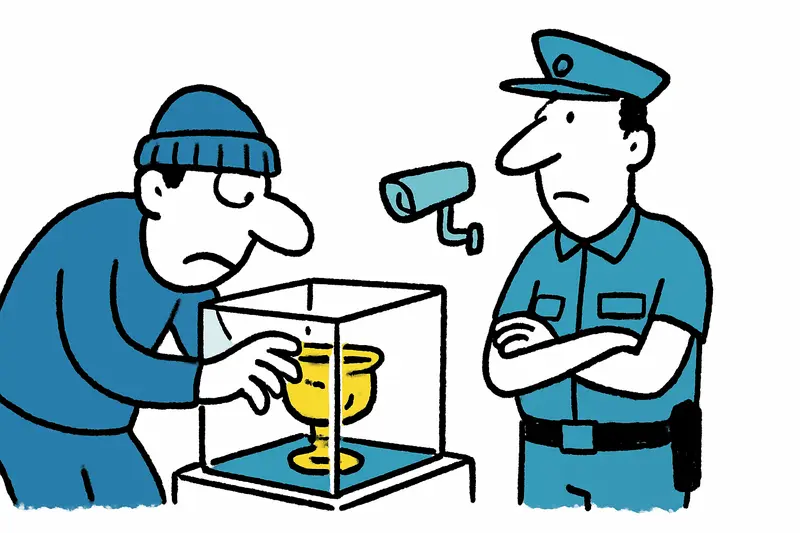
When Gold Becomes a Temptation: How Secure Are Mallorca's Museums?
The theft of major gold finds on the Spanish mainland has alarmed museums in Mallorca. How vulnerable are smaller instit...
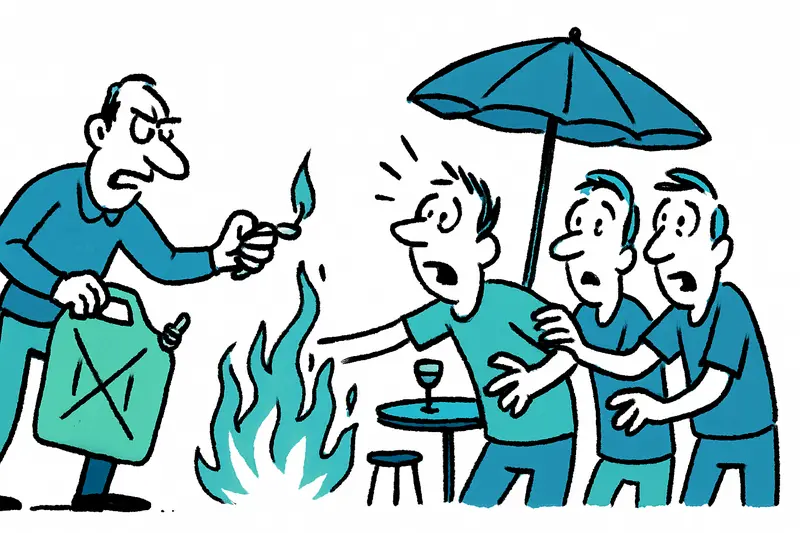
When Quiet Was No Longer Enough: Man Tried to Set Bar Terrace in Son Oliva on Fire
A neighborhood dispute in Son Oliva escalated: a resident came down carrying a petrol can and a lighter and attempted to...
More to explore
Discover more interesting content

Boat Tour with BBQ along Es Trenc Beach

Private transfer from Mallorca Airport (PMI) to Pollensa
