
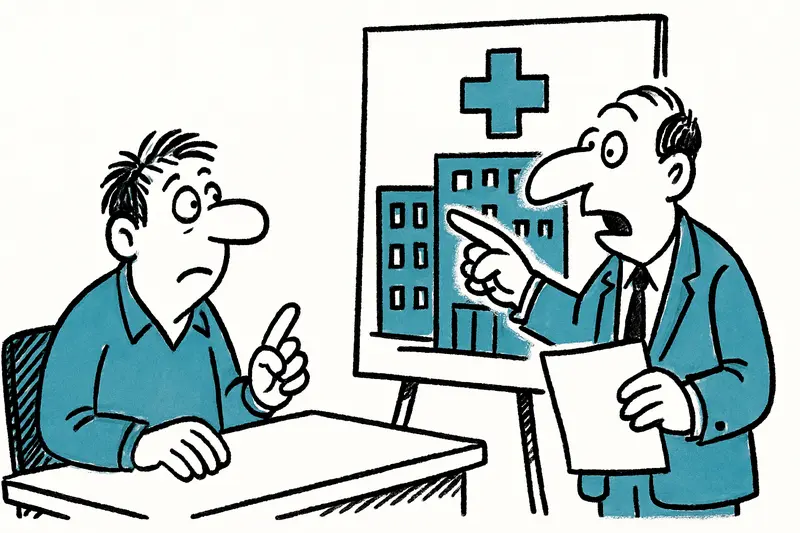
Felanitx Plans New Long-Term Hospital: Opportunity for Care — or Too Much for the Municipality?
Felanitx has issued a tender for a rehab and long-term care center worth around €26 million. The opportunities are real — but traffic, staffing and long-term costs raise questions. What matters now.
Felanitx plans new long-term hospital: What the tender really means
In the early morning, still with the scent of café con leche and the village church bells in their ears, the news fluttered through the local groups: an official tender announcement has been published for Felanitx. The aim: a facility for people with longer care needs and chronic illnesses — less emergency medicine, more rehabilitation and long-term care. The figure in the announcement made many pause: around €26 million.
Key question
The key question is simple and remains important: Does this project really improve healthcare in our community without plunging Felanitx into construction noise, parking shortages and a lack of nursing staff? This question should not remain rhetorical but guide the view — from the tender dossier to the first groundbreaking.
What is planned — briefly summarized
From the documents: four wards, a total of 100 single rooms and a rehab day center. The choice of single rooms is intentional: more privacy, lower infection risk, better support for longer stays. The deadline for bids ends in early October; after that follows the usual review and award process — and only then the planning and construction phase.
Real opportunities for Felanitx
The project brings tangible benefits: new jobs for nurses, therapists, technicians and service staff. Families benefit from single rooms when accompanying relatives. Small local providers — laundry, canteen, craftsmen — could get contracts. And a functioning rehab day center can help close gaps in the often fragmented care system, allowing therapies to be supported over longer periods.
In a community where people still greet each other personally on the Plaça, better access to medical services would be a real gain — provided the implementation is well thought out.
What is missing from the public debate
Cityscape and traffic are not secondary issues. The question "Where exactly will it be built?" determines noise, delivery traffic and parking pressure. If trucks and shuttle buses frequent the Carrer Major, everyday life changes: market stalls, children on their way home, older neighbors on their daily walks. Construction phases must be planned so that the old town does not become a bottleneck.
Staffing is the decisive point: €26 million is an investment in walls and technology — but care depends on people. Can we attract enough qualified health workforce without draining other homes and clinics in the region? Half an hour of conversations at the market showed: many young people move away, shifts are hard to fill. Without attractive working conditions, training positions and housing models, the facility will shine on paper — and create problems in practice.
And then the finances: who will pay the operating costs in the long term? Public projects tend to invite renegotiations. Transparent plans are needed for personnel expenses, maintenance and reserves so that the project does not quickly become a financial burden.
Concrete proposals — so the project becomes a benefit
1. Greater involvement: several information and planning workshops, in the evenings and on weekends, so that working people can participate. No decisions behind closed doors.
2. Traffic and environmental assessments in advance: external studies for deliveries, emergency routes and visitor flows. Consider mobile parking and shuttle solutions so the old town can breathe.
3. Secure local jobs: contract clauses for training positions, internships and preferential awarding to local companies — so value creation stays in the community.
4. Transparent operating costs: public, easy-to-understand calculations for staff, operations and reserves so citizens know what they are investing in.
5. Modular construction: phased implementation reduces burdens for residents and allows initial partial openings before the entire project is completed.
Timeline — short and concise
- Tender published, budget: approx. €26M. - Four wards, 100 single rooms and a rehab day center. - Bids until early October; then reviews, selection and then planning and construction.
Conclusion
A new health center can bring a lot to Felanitx: better care, new jobs, know-how and extra security for families. But it can also create new problems — traffic, construction noise, staffing shortages and long-term costs. Well planned, with genuine citizen participation and strict requirements for operators and bidders, the project has the potential to be a gain for the community. Otherwise it risks remaining a large construction project whose benefits the people here will have to fight for.
When you next walk down the Carrer Major, you will already hear the discussion between market calls, the clinking of espresso cups and children's laughter: hope, skepticism and the pragmatic questions about parking. Now is the time to ask these questions aloud — before the diggers roll in.
Frequently asked questions
Will Mallorca get a new long-term care hospital in Felanitx?
When will the Felanitx hospital project move forward?
How much will the new facility in Felanitx cost?
What kind of care will the Felanitx hospital provide?
How many rooms will the new Felanitx facility have?
Could the new hospital create jobs in Felanitx?
What are the concerns about building the hospital in Felanitx?
How might the new care center affect everyday life in Felanitx town center?
Similar News
First Day, First Consequences: What Palma's Rent Freeze Really Means
A new decree stops a planned eviction in Palma — but what really changes for tenants and landlords? A reality check with...
When Housing Becomes a Matter of Survival: Mallorca Between Rental Frenzy and Everyday Life
The case of 87-year-old Maricarmen showed that on Mallorca many people's lives are poised between affordable and uninhab...
Autumn in Mallorca: When Melancholy Gets a Window
Why autumn quietly tightens here — and how to make use of the mood: walks, culture, candles and the light from Palma to ...

Near-miss on Lanzarote: Landing Ryanair Jet and Iberia Takeoff — what really went wrong
On Lanzarote there was a dangerous incident: A Ryanair flight (FR5910) from Dublin landed on runway 03 while an Iberia E...
Eurowings introduces new Premium Business seats on Mallorca routes
From December 1, selected Eurowings flights to Palma and other destinations will feature eight particularly generous sea...
More to explore
Discover more interesting content

Can Cap de Bou

Townhouse Lleo 72
