
Kidnapped, Blackmailed, Convicted: What the Case of a YouTuber in Mallorca Reveals
A court in Palma sentenced a well-known YouTuber to nine years in prison for kidnapping and weeks-long blackmail of a 14-year-old. The case raises questions about the safety of minors online and locally.
Kidnapped, Blackmailed, Convicted: What the Case of a YouTuber in Mallorca Reveals
The sentence has been handed down — but questions remain
Guiding question: How can an island community like Palma better protect children from perpetrators who use their online fame as a weapon?
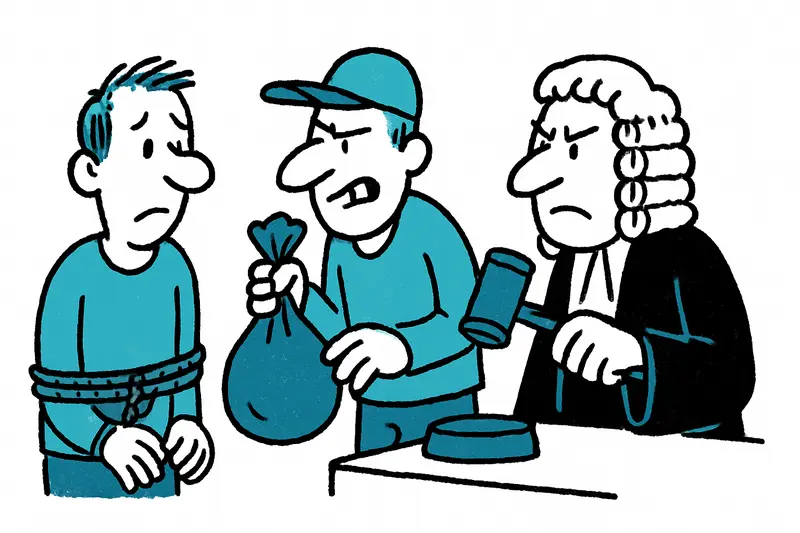
The core of the trial can be summarized briefly: before the Audiencia Provincial in Palma a Spanish YouTuber received a nine-year prison sentence; other defendants received a total of ten and a half years. The accused have confessed and deposited a sum of money that the court recorded as compensation. According to the court's findings, a 14-year-old was approached in Palma in March 2021, lured to a remote area, threatened and repeatedly forced to hand over cash. In total, the teenager allegedly took about €2,000 from his savings and those of his family. The case did not end with a single incident: over weeks, threats were sent via personal contacts and social networks until the father filed a complaint and the National Police intervened.
In short: there was a confession, material compensation, a verdict — this mirrors other recent Palma rulings such as Secret Recordings in Palma: Verdict, Questions and What Matters Now for Those Affected. The court also found the psychological consequences for the victim: a marked drop in school performance, weight loss and a post-traumatic stress disorder requiring treatment.
Critical analysis: the case reveals three levels of vulnerability. First: the interface between the street and the online world. Perpetrators with reach can meet victims offline and simultaneously exert pressure online. Platforms remain poor control mechanisms when direct threats are sent via messengers. Second: local protective measures for minors. Young people move alone to school, to squares and parks; prevention work is often reactive rather than proactive. Third: the care system after the crime. A conviction does not replace therapy, and financial compensation does not immediately heal trauma.
What is missing from the public debate: who is talking concretely with schools, clubs and parents about the mechanics of such threats? These gaps echo wider institutional questions raised by cases such as Mask scandal: Why the detention of an MP in Mallorca raises more questions than answers. How quickly can an order against an online perpetrator be implemented so that older children do not become victims again? And how good are the psychosocial services in Mallorca for young people who need to reintegrate into everyday life after violence?
An everyday scene from Palma: midmorning on the Plaça Major, parents with thermoses, children on scooters, the distant sound of the sea and the church bells. It is the same square where something can later happen to a teenager. Police patrols pass by, snippets of conversation about school grades and commuting. This proximity of normality and danger makes the case so unsettling: it feels like a crack through familiar island life, illustrated by high-profile incidents such as Mallorca's Most Wanted: The Trail to Sami Bekal — How a Case from Palma Became an International Manhunt.
Concrete, practical and locally implementable solutions: First, comprehensive prevention programs in Palma schools and suburbs that do not only teach “internet safety” but concretely show what peer pressure, blackmail and psychological violence look like. Second, an easily accessible hotline at the Policía Nacional or the municipality with fast referral to legal assistance and crisis therapy; a first-aid package for affected families. Third, closer cooperation between police, schools and social services, including rapid risk assessments and protection orders for endangered minors. Fourth, mandatory reporting and blocking mechanisms for serious threats on platforms: not only automated but with human review when minors are involved. Fifth, expansion of low-threshold therapy services on the island so that young people do not wait months for an appointment.
A concrete, pragmatic proposal: Palma could start a pilot project connecting schools, the local police station and a mobile crisis team. At alarm signals — for example repeated threats or sudden drops in performance — a team intervention would be initiated within 48 hours: school, parents, a police officer and a social worker meet, develop protection measures and arrange a short-term therapy admission. This turns pure criminal prosecution into a safety net.
Pointed conclusion: the court verdict shows that crimes are being taken seriously. But punishment alone does not heal a damaged life. In Mallorca we need more everyday prevention, better networking of institutions and clearly defined ways to include internet behavior in protection work. Otherwise the next case is only a matter of time — and that must not be our path.
In the end it is about simple things: a good conversation at school, quick help for panicked parents and a system that does not leave young people alone when they are silent out of fear. This is not high politics; this is everyday protection for the island's children.
Frequently asked questions
What happened in the Mallorca case involving the Spanish YouTuber?
How long was the prison sentence in the Palma YouTuber case?
How was the teenager in Palma targeted and threatened?
What signs can show that a child in Mallorca is being blackmailed or threatened?
What should parents in Mallorca do if their child is being threatened online?
How can Mallorca schools help prevent blackmail and online threats?
What support is available in Mallorca for a minor after blackmail or violence?
Why is the Palma case being discussed beyond the courtroom?
Similar News
Injured captain, big plans: Germania Mallorca before the away match in Consell
The newly founded FC Germania Mallorca travels to Consell on Saturday. Captain Bastian Müller is out injured, but coach ...
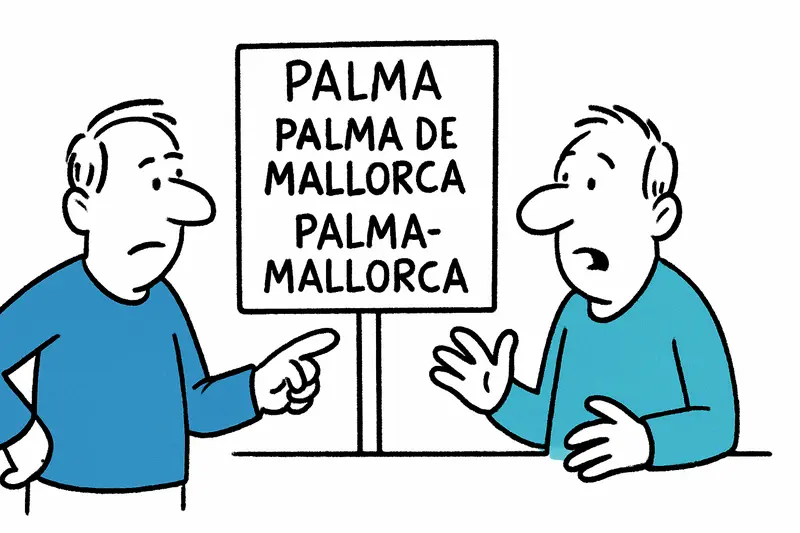
Palma, Palma de Mallorca, Palma‑Mallorca: What is it really about?
The debate over the city's name is more than grammar: it concerns identity, law and branding policy. A sober reality che...
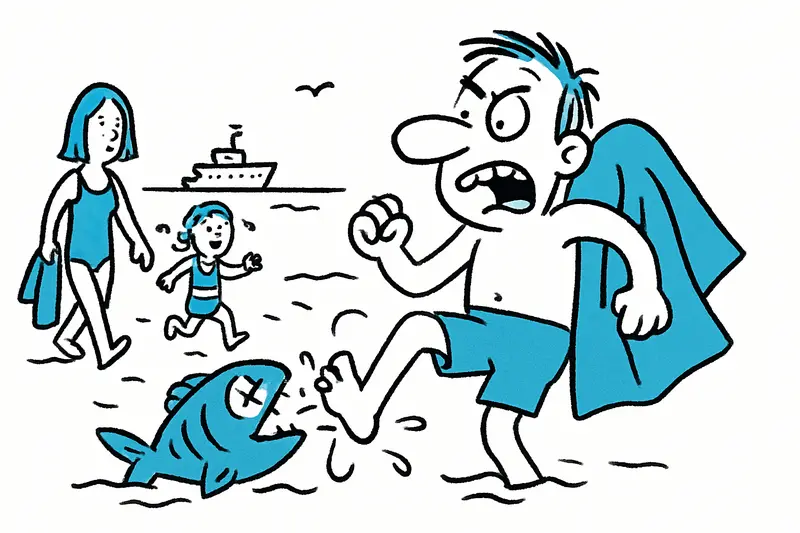
Warning to Bathers: Nipping Fish in Cala Major and Other Coves — a Reality Check
In Cala Major and several beaches around Mallorca, bathers report painful “nips”. Who are the animals, why are they gett...
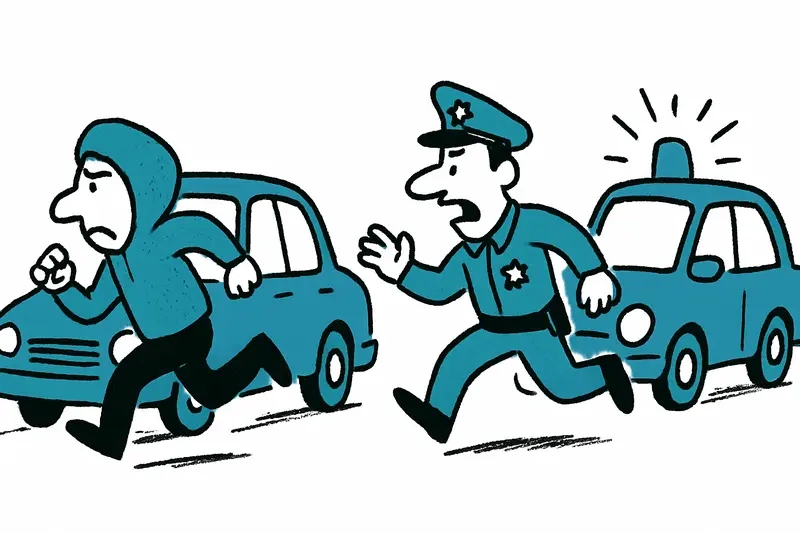
Rental Car Theft in El Arenal: What This Incident Reveals About Our Gaps
A teenager steals a running rental car in El Arenal, flees on foot, climbs over walls and is caught by the Guardia Civil...
Red Rope in Palma's Library: What Helps Against Selfie Tourism — and What's Missing
Palma's city library cordoned off an area with a red rope to keep selfie tourism away from reading and working activitie...
More to explore
Discover more interesting content

Can Cap de Bou

Townhouse Lleo 72
