
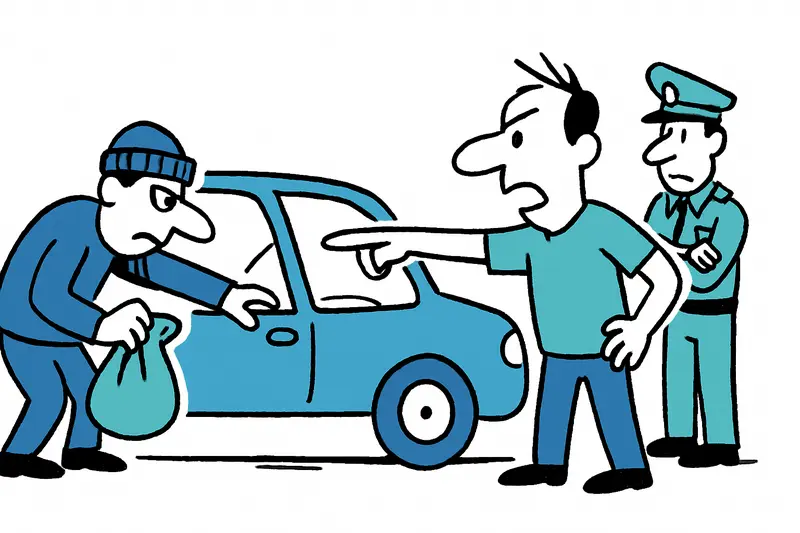
Series of thefts in the supermarket parking lot in Palma: Who protects our cars?
Series of thefts in the supermarket parking lot in Palma: Who protects our cars?
At the parking lot on Calle General Riera, witnesses report multiple thefts from cars. The Spanish National Police is investigating — Mallorca's sense of community and concrete security questions remain unresolved.
Series of thefts in the supermarket parking lot in Palma: Who protects our cars?
Key question: Are checks and cameras enough — or must the community act differently?
On Calle General Riera, residents and victims report several cases in which bags and valuables disappeared from parked cars while the owners were only briefly shopping. The Spanish National Police sees connections between the incidents and is analyzing footage from the area; in one development, Three juveniles were arrested following a series of car thefts in Palma. This is more than local gossip: the issue affects the sense of security of many people in Palma.
Critical analysis: The reports show a shift in pattern. It is no longer just sporadic break-ins, but a series in which apparently unobserved moments are being deliberately exploited. The problem has two sides: perpetrators who act with routine and an environment that offers attack surfaces — unlocked cars, visible valuables, little presence in the parking rows. The police can secure traces and analyze videos, but prevention does not end with investigations alone.
What is missing in public discourse: three points are hardly discussed. First: the design of the parking areas themselves — lighting, lane layout, sightlines. Second: the role of retailers in prevention; short, clear notices at the entrance could reduce the risk. Third: concrete numbers and pattern analyses so residents know whether these are organized gangs or opportunistic thieves; local reporting such as Eight Break-ins in One Week: Arrest in Palma — and What's Still Missing shows the difference between isolated incidents and serial patterns. Without this information, conversations often go nowhere.
Everyday scene from Palma: It is a sunny mid-morning, the heat has not yet settled heavily over the street. Delivery vans rumble by, coffee aromas from a bakery mix with the sound of shopping trolleys. Drivers park in the row in front of the supermarket, lay purchases on the passenger seat and close the door. Three minutes later the car is open, the handbag gone — a moment that has by now become all too familiar here.
Concrete solutions: simple measures can be implemented on site and immediately. Visible notices at the entrances and checkout areas reminding people to take valuables cost little and increase awareness. Better lighting and reflectors in the parking rows reduce hidden areas. Municipal investments in permanently installed cameras at access points — legally installed and with clear responsibility — help investigations and act as a deterrent.
Prevention can also be socially organized: neighborhood groups that share brief messages about suspicious people via WhatsApp increase informal presence. Shopping centers or larger supermarkets could offer a registered valet or safe-service for short-term deposits — an idea that works in some European cities. Finally, market employees and parking operators need training to recognize suspicious behavior.
Technology is only useful with rules: mobile dashcams, visible license plate scanners or cameras are useful, but they must be operated in compliance with data protection. The Balearic administration and municipalities should set clear rules on how recordings are stored and handed over to the police; the need for clearer municipal controls has been underscored by reporting on local utility thefts such as When Bollards Disappear: What the Theft at the Municipal Utilities Reveals About Palma's Controls. Otherwise legal chaos instead of clear evidence will arise.
What the police can do: faster information sharing with neighborhoods, targeted patrols at peak times and transparent feedback on investigative results would build trust. Past operations such as Police clear parking chaos in Palma industrial areas — checks, towing, open questions illustrate large-scale enforcement but also raise open questions. Investigators should make clear whether they are dealing with individual offender groups or a series with cross-regional links — that affects how residents react.
Resource question: municipal funds are needed for lasting security improvements. Palma cannot rely solely on state authorities; city investments in lighting, infrastructural adjustments and prevention campaigns are necessary. At the same time, retailers and parking operators should be required to meet minimum standards.
A look to the future: If nothing happens, the consequence will be increased mistrust — fewer spontaneous shopping stops, more secured parking, a feeling that harms quality of life. Coordinated steps can prevent this: small technical measures, better information and an organized neighborhood service often go a long way.
Sharp conclusion: The series of thefts at Calle General Riera is more than a sequence of isolated incidents. It is a wake-up call for better prevention — not only by the police, but by city administration, retailers and neighbors together. People who go shopping should not feel like easy prey. Concrete action now can help restore confidence in Palma.
Frequently asked questions
What is the weather like in Mallorca in early May?
Can you swim in Mallorca in May?
What should I pack for a trip to Mallorca in spring?
Is early May a good time to visit Mallorca?
What is Pollensa like in May?
What is Palma de Mallorca like in May?
How warm is Mallorca in spring compared with summer?
What kinds of activities are best in Mallorca during mild weather?
Similar News
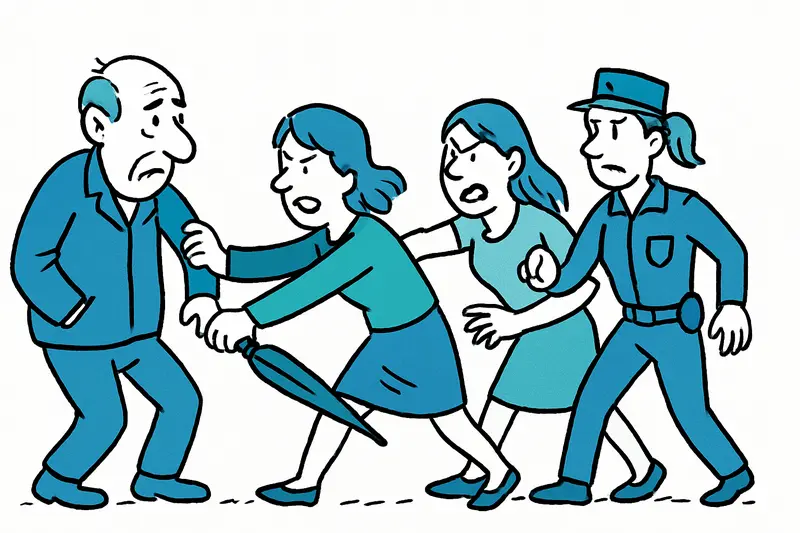
When the Wallet Becomes a Danger: Attack in Peguera and Lessons for Mallorca
In Peguera, two women are said to have stolen the wallet from a 75-year-old German couple. When the victim intervened, t...
Plata stays Plata: Young people take over, Llonguets remain
A small bar on Carrer de l'Argenteria will continue: Tolo Serra hands the place over to young Mallorcans at the end of t...
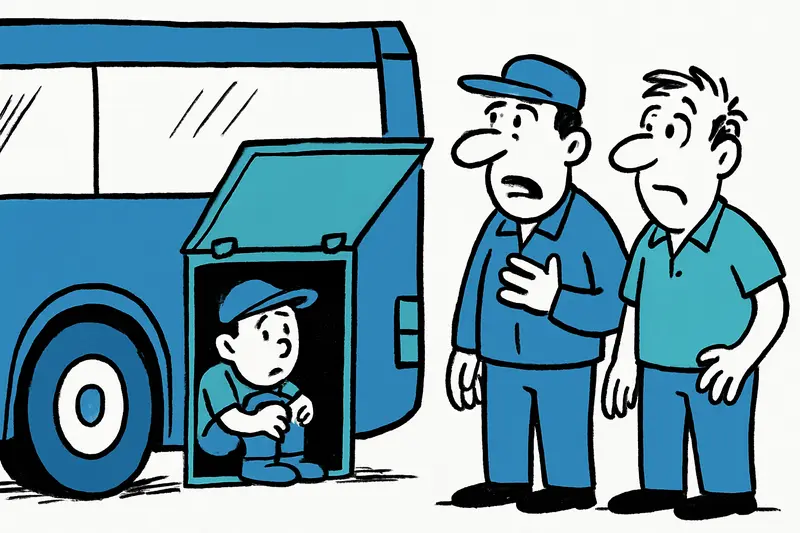
Unnoticed in the Luggage Compartment: How a Boy Traveled More Than 100 Kilometers in a Team Bus
A minor traveled in the undercarriage of a team bus for more than 100 kilometers until his cries for help were heard. A ...

Cap Vermell Grand: Second Michelin Key – a Gift for the East
The Cap Vermell Grand in Capdepera has been awarded its second Michelin key. For the region this elevates the luxury off...
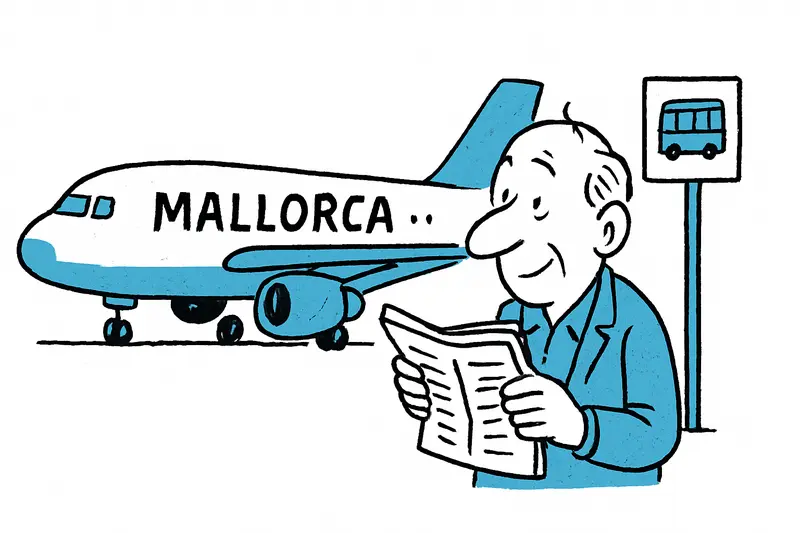
Eurowings lets four aircraft carry names – a friendly idea that also reaches Mallorca
Eurowings is launching a campaign: four Airbus A320s are to carry the first names of people who help others in everyday ...
More to explore
Discover more interesting content

Can Cap de Bou

Townhouse Lleo 72
