
Too many cars, too little space: Why Sóller must not become a parking wasteland for tourists
Too many cars, too little space: Why Sóller must not become a parking wasteland for tourists
New figures from EasyPark and Arrive show: Sóller is Spain's hotspot for foreign drivers. Time for an honest stocktake: who benefits, who pays the price — and which measures could really help?
Too many cars, too little space: Why Sóller must not become a parking wasteland for tourists
Guiding question: How much external traffic can a small village in the Tramuntana tolerate before everyday life and the environment suffer irreparably?
The data from the summer analysis of the mobility platforms EasyPark and Arrive are clear: Sóller is at the top this year when it comes to foreign tourists arriving by their own car. Significantly more guests with foreign license plates parked here than in any other Spanish city – almost four times as many as the number two in the ranking. Germany leads the list of origins; more than 24,000 different users were recorded. These are impressive numbers, but they also raise questions about consequences and manageability.
I know Sóller well. Early in the morning, when the church bells ring over the Plaça and the smell of freshly roasted coffee fogs the shop windows, everything is still calm. Two hours later, on the road down to the harbor, taxis, rental cars, delivery vehicles and private SUVs form a slowly crawling chain. The historic tunnel between the town center and the harbor is then often briefly closed because of overload. The Tramuntana cobbles groan under the weight of tourist cars, the narrow alleys suffer, and residents often stand helplessly at the roadside.
Critical analysis: the study provides a useful pointer, but it does not tell the whole story. EasyPark and Arrive see users who use their services – that is a subset of all vehicles. In addition, there is no clear separation between private holidaymakers, commercial rental cars and transit traffic. Such details matter: a car that parks in the town burdens it differently than one that merely passes through. Numbers on seasonality and time of day are also missing: does the concentration occur only in high summer, or is it a year-round problem, as discussed in Sóller in Autumn: Everyday Life Between Tramuntana Idyll and Visitor Surge?
What has so far been underrepresented in the public debate: the perspective of residents and local businesses at the same time. Some shopkeepers appreciate the extra turnover on hot August days. Others, especially in the narrow old-town streets, report delivery problems and families who can hardly get their cars out of the garage at weekends. Ecology and quality of life are often discussed only as side effects – but it's about noise, fine particulates and the creeping loss of the townscape.
There are several concrete approaches that go beyond press releases – and they would need to be combined. First pragmatic measures would be: targeted parking management with dynamic pricing (more expensive during peak times, cheaper outside), a limited number of day parking tickets for foreigners, digital reservations for harbor parking and a clear prioritization for residents through discounted or free resident permits, which could also address false electronic parking displays in Port de Sóller. Pilot projects could be set up at edge points like Bunyola or Fornalutx: larger parking lots plus shuttle buses into the center would provide immediate relief, as the town hall plans three parking areas indicate.
On the traffic side, only a mix of sanction and offer helps. Stricter controls against illegal parking and a transparent fines catalogue would bring short-term discipline. Similar problems have been documented elsewhere, like the daily parking chaos at Son Espases. In the long term, however, the alternative offer must become more attractive: more train and tram capacity, increased frequency on the historic Palma–Sóller railway, coordinated timetables and central transfer points with park-and-ride. Operators of holiday apartments and rental car companies could also be involved: mandatory information packages for self-drivers with notes on parking rules, public transport options and recommended arrival times could prevent a lot of chaos.
What else is missing: transparent data. A public, seasonal traffic count that includes all vehicle types and origin license plates would be the basis for sensible policy. Only with reliable numbers can limits, access times or real quotas – should politicians go that far – be planned legally secure. The idea of generally limiting foreign license plates is legally complex and requires clear criteria: tourism volume, environmental impacts, quality of life.
Another often overlooked option: a quality charge instead of pure restriction. A tiered parking fee, regional eco-surcharges for particularly burdened days or a voluntary "Soller tax" that flows directly into traffic infrastructure and shuttle services could help cover the external costs — without immediate distribution fights.
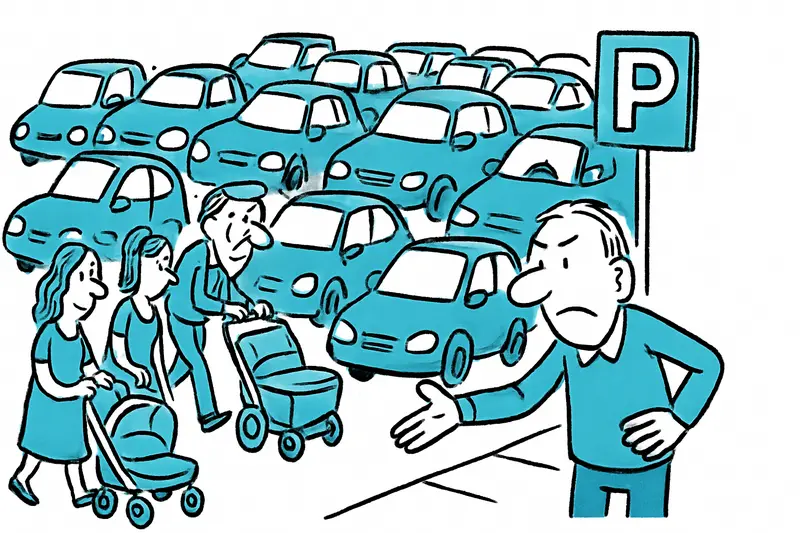
Everyday scene: On a Thursday afternoon a mother with a stroller stood at the foot of the Carrer de sa Lluna and stared at a row of parked cars that half-blocked the sidewalk. An older fisherman pushed his handcart by, quietly cursing the delivery vans that had blocked the access in the morning. Two young tourists asked for directions to the beach while a taxi driver honked patiently. Such scenes repeat daily; they are not abstract numbers but quality of life that is slowly being ground down.
Conclusion: Sóller has the right to receive visitors – but not at the cost of its own substance. The figures from EasyPark and Arrive are a wake-up call: we need transparent data, pragmatic pilots and a bundle of pricing, infrastructure and regulatory measures. Those who only discuss or reflexively ban will miss the chance for clever solutions that reconcile tourism and everyday life. Sóller can remain what it is – if we start making the right rules now.
Frequently asked questions
What is the best time of year to visit Mallorca for outdoor activities like hiking and beach days?
Is the sea warm enough for swimming in Mallorca outside the peak summer months?
What should I pack for a Mallorca trip in spring?
Are there family-friendly beaches in Mallorca?
How can I get around Mallorca without a car?
What are good day trips from Palma to experience Mallorca's scenery?
What should I know about local etiquette, language, and tipping in Mallorca?
Are Mallorca's popular spots crowded in peak season, and are there quieter alternatives?
Similar News

Up to €9,000 Fine in Inca: Why Wet Wipes Can Blow Up the Sewers — and What We Should Really Do
The municipality of Inca warns of blockages caused by wet wipes — fines of €300 to €9,000 are possible. A reality check:...

World Cup Trophy in Palma: Two Days Up Close
The World Cup trophy is coming to Palma at the end of October: two days on display at City Hall, and on 31 October photo...

End of October: Can you still swim in the sea in Mallorca?
The late-autumn sun still warms the air and the sea has retained its summer heat—many people don't pack away their swimw...
Years of abuse in Costa de la Calma – Neighbor calls Guardia Civil
In a villa in Costa de la Calma a neighbor alerted the Guardia Civil: a 19-year-old woman reported years of violence by ...

Schauinsland Takes Over Management of the Morito in Cala Millor – a Reality Check
From March 2027 the German tour operator Schauinsland will manage the Morito hotel in Cala Millor. The Batle Erikson fam...
More to explore
Discover more interesting content

Can Cap de Bou

Townhouse Lleo 72
