
Juveniles arrested: Palma car-theft series raises questions about prevention
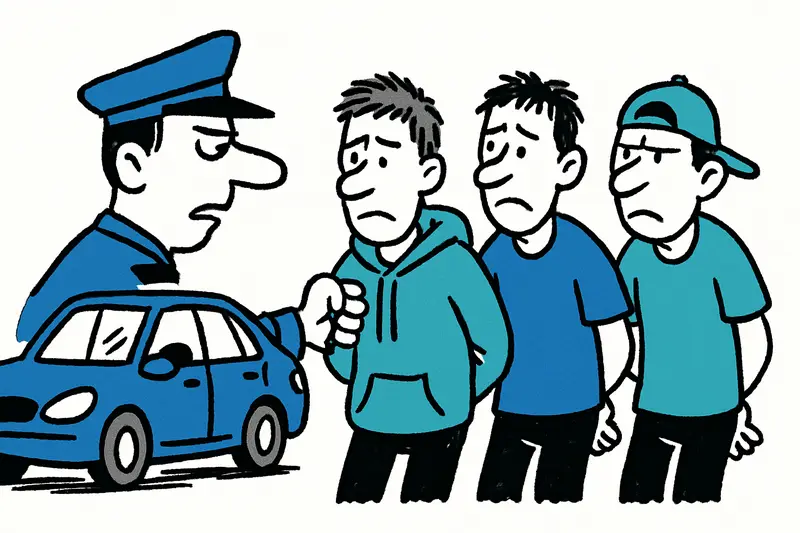
Three minors were arrested following a series of car thefts in Palma. Eight of nine vehicles were secured and an elderly woman in Coll d'en Rabassa was injured. The investigation is also drawing attention to security gaps and youth prevention measures.
Arrests in Palma: Multiple car thefts — and the question of how this could happen
In the early hours of Thursday morning, blue lights cut through the morning calm in several Palma neighborhoods: National Police, patrol cars and officers conducting house searches, including near Coll d'en Rabassa and in industrial areas on the city's southwest side. Tres jóvenes en Palma detenidos tras una serie de robos de automóviles — the beginning of a story that reveals more than just a string of thefts.
Nine vehicles, eight secured
According to investigators, the arrested youths are suspected of being involved in a number of alleged thefts. A total of nine cars are said to have disappeared from showrooms or company premises; eight of them were provisionally secured during the raids. Many vehicles reportedly showed manipulations to ignition systems and simple theft modifications — a sign of mechanical routine but also improvised techniques.
Particularly serious: one of the stolen cars was apparently used in a robbery. Investigators also reported an incident in Coll d'en Rabassa in which a woman over 80 years old was allegedly grabbed and had her handbag snatched; she received medical treatment. Such coincidences quickly turn car theft into a crime with victims who have nothing to do with the scene.
Why juveniles — and what does this say about security?
The fact that those arrested are minors shifts the discussion: it is not only about police clarification, but also about prevention, youth services and how young people end up in criminal networks. The files will now be passed on to juvenile justice. Whether there are further participants is part of the ongoing investigations.
An often overlooked aspect is the division of labor in such crimes: some obtain vehicles, others take care of modifications, and others use the cars for further offenses or resale. The trail of the cars must be followed to possible buyers or 'black markets' — a point rarely examined in detail in public debate.
Neighborhood impressions: sirens and radio static
"You could only hear the whir of the radios," says a resident from the Avenida area. Such early operations create a sense of insecurity in quiet neighborhoods — and raise old questions: why are showroom-ready cars and poorly lit sales lots so vulnerable? In industrial areas, where there is less light at night and surveillance is sporadic, the inhibitions for offenders are obviously lower.
What could help now: concrete measures
Ongoing investigations must provide answers — but there are also short-term effective steps that dealerships, authorities and residents can take together:
Technology: More modern immobilisers, improved alarm systems and visible closed-circuit television (CCTV) cameras act as deterrents. Simple but consistent measures like additional lighting in parking areas significantly reduce risks.
Organization: Linked alarm chains between dealers and police, regular patrols in industrial areas and coordinated shifts for vehicle displays can close gaps.
Prevention: Youth centers, low-threshold educational offerings and alternative programs for at-risk groups may be the most effective long-term means to prevent new recruits into criminal structures, as discussed in Dormir en un coche robado frente a la comisaría: ¿Qué dice el caso de la Playa de Palma sobre la prevención?. Police and youth services should cooperate more closely here, before criminal prosecution alone deals with the issue.
Legal and social balance
The legal handling of minors places additional demands: sanctions must have consequences but should not block the chance of reintegration. Models such as offender-victim mediation, supervised measures or mandatory training programs combined with judicial oversight are options.
For the affected elderly woman in Coll d'en Rabassa and her family, the hope remains for clarification and reparation. For Palma's residents the message is clear: security is not automatic. Technical upgrades, better night lighting in commercial zones, connected neighborhoods — and an honest look at the causes when young people seriously go astray — are needed.
The police are asking the public for information. Even seemingly small observations — unusual vehicles, foreign license plates or people lingering at display areas at night — can be crucial. In a city where the morning sun glitters over the harbor and the streets soon fill with everyday life again, the task remains to make the night quieter and safer.
Frequently asked questions
How can car thefts in Palma happen so quickly?
What should car dealerships in Mallorca do to prevent vehicle theft?
Why are minors involved in car theft cases in Palma?
What happens if a stolen car from Mallorca is used in another crime?
Is Coll d'en Rabassa in Palma considered a theft hotspot?
What can residents in Palma do if they notice suspicious vehicles at night?
Why are industrial areas in Palma more vulnerable to car theft?
What kind of punishment can juveniles face for car theft in Mallorca?
Similar News
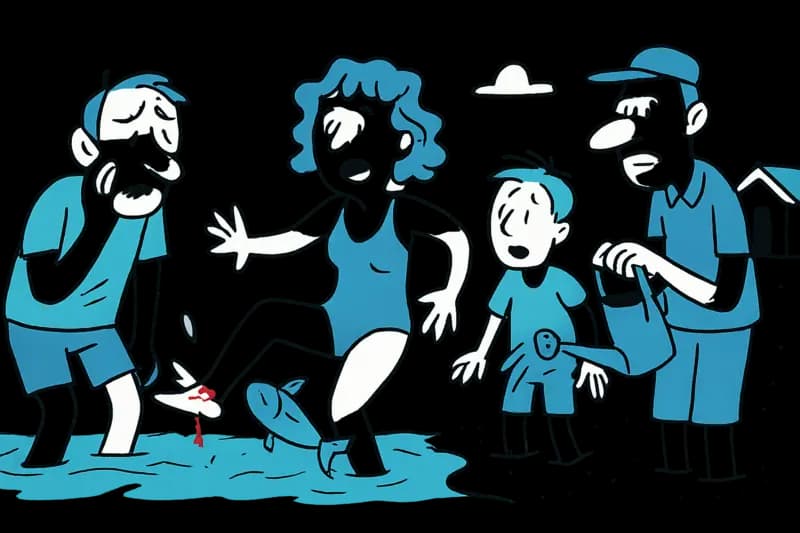
Why the Striped Breams in Cala Pí Should Be a Wake-up Call
Once again bathers in Cala Pí were surrounded while swimming by small, nippy fish — some wounds bled. Time for clear rul...

Daily from New York: How Palma's Air Traffic Is Growing — and What Must Change
United will increase the Newark–Palma service to daily flights in 2027 (Boeing, 231 seats). Strong tourist numbers clash...

When Love Ends in Shards: Destruction in Son Vida and the Questions That Remain
In Son Vida a relationship dispute escalated: a woman destroyed furniture in a luxury villa, later pressed a panic butto...
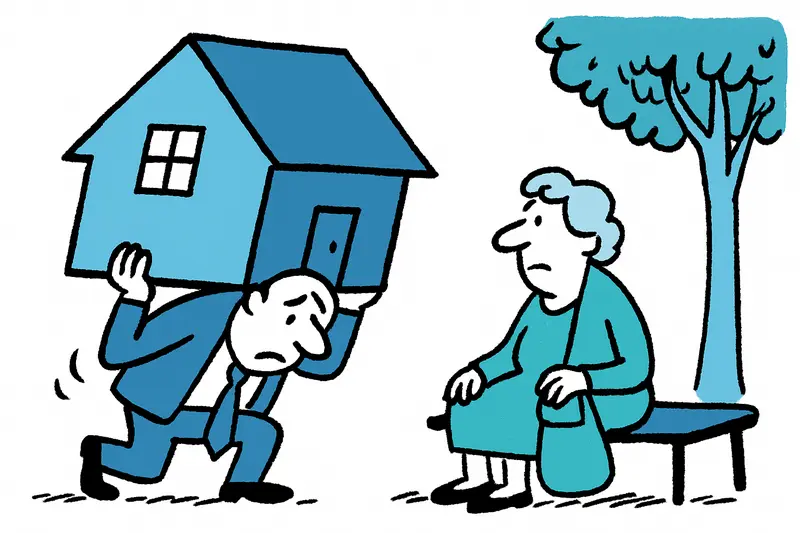
Who Bears the Burden? Mallorca Between Tenant Protection and Landlord Fears
Madrid's new housing decrees strengthen tenant rights — but on Mallorca concern is growing: will the law drive small lan...
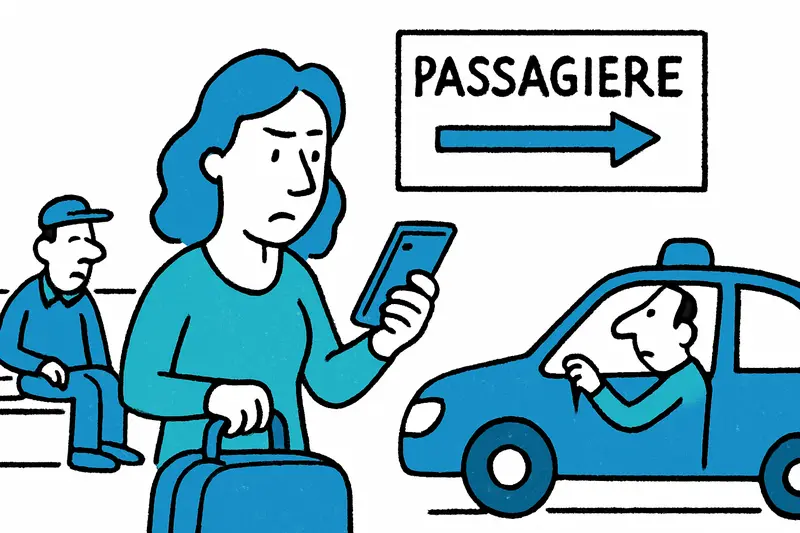
On the Edge: What Mallorca's Airport Loses If a Major Low-Cost Carrier Falters
The company that operates numerous connections from Palma to France and domestically is negotiating with creditors to re...
More to explore
Discover more interesting content

Can Cap de Bou

Townhouse Lleo 72
