
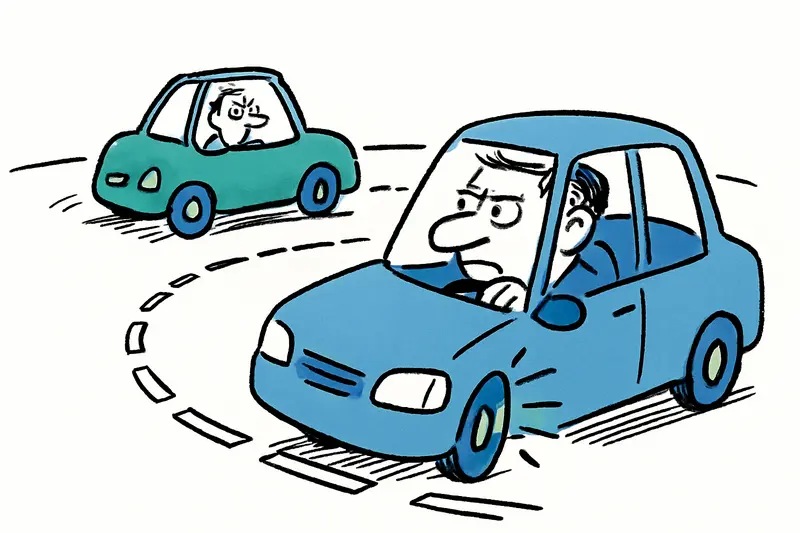
Turn Signals in Roundabouts: When You Should Leave Them Off in Mallorca
Turn Signals in Roundabouts: When You Should Leave Them Off in Mallorca
Many drivers in Mallorca are unsure: when should the turn signal be on and when not? A clear question — and a surprisingly complicated answer.
Turn Signals in Roundabouts: When You Should Leave Them Off in Mallorca
Guiding question: When may you use the turn signal in a roundabout — and when does it create more danger?
On Mallorca you see them at almost every junction: cars, mopeds and more or less practiced tourists manoeuvring into roundabouts. In Spain there are an estimated 80,000 roundabouts; that makes our island a small, rolling traffic laboratory. The confusion about the indicator is widespread. My question is simple: does the turn signal really help — or does its incorrect use cause more chaos?
The legal situation is relatively clear: the turn signal may be used when there is an intention to change direction or lane. Sounds simple, but in practice it leads to misunderstandings. Many switch on the left indicator when entering, as if to demonstrate to others: I'm staying in. That is exactly the problem. The indicator is a communication signal, not a permanent state.
There is an important but little-noticed exception: those who take the first exit directly should set the indicator when entering. That makes sense because it immediately tells those entering where the vehicle ahead intends to go. But those who stay in the roundabout should leave the left indicator off — unless they deliberately change to the inner lane. Constant left signaling as an "announcement" of continuing deceives other road users and provokes risky maneuvers.
Especially in smaller towns — think of the roundabout at the MA-13 exit towards Consell, where in the mornings the bakery mixes customers and delivery vans — incorrect signaling creates a dangerous soundscape: horns, screeching brakes, a bicycle bell. A pensioner at the roadside, a delivery van looking for a gap, and suddenly a collision because another driver misjudged the signaling car. That's everyday life here.
What is missing from the public discourse? First: practical guidance, not just paragraphs. Many people do not know the rule or interpret it to their advantage. Second: visible signage at complex roundabouts. Third: more practical training in driving lessons — instead of only exam knowledge, routine training is needed for behaviour in multi-lane roundabouts.
Concrete proposals that could be implemented locally: clear pictograms and arrows on the road before larger roundabouts; information signs at the approaches that briefly explain the signaling rule; targeted awareness campaigns in car rental offices and through rental companies, since many summer drivers do not know our rules, and remind customers about equipment such as the V16 warning light required in the glovebox from 2026. Police and municipal authorities can show presence at key points and publish anonymised accident data and guidance, including practical checks and possible fines for missing V16 devices, as explained in V16 practical check and fines, so that patterns of mistakes become visible.
On the level of driving practice, simple habits help: when merging, stay calm, don't indicate immediately if you are merely getting into the correct lane. Set the right indicator as soon as the exit becomes visible — that is the signal to leave. For lane changes in larger roundabouts perform a quick shoulder check and then indicate. Such mini-rituals save time and nerves.
Conclusion: the turn signal is not a cure-all but an instrument. Misused, it creates more risk than safety. On Mallorca the discussion must shift from "more signaling = more careful" to "correct signaling = understandable". A little more neighbourliness, memorable signs and a few practical driving lessons for everyone would avoid many horn concerts. And bakery customers in Consell could enjoy their coffee again without palpitations.
Frequently asked questions
Should you use your turn signal when driving through a roundabout in Mallorca?
Do you signal left when entering a roundabout in Mallorca?
When should you indicate to leave a roundabout in Mallorca?
Why do roundabouts in Mallorca feel confusing for visitors?
What should rental car drivers know about roundabouts in Mallorca?
Are smaller town roundabouts in Mallorca more dangerous than bigger ones?
What is the correct way to change lanes in a Mallorca roundabout?
What driving habits help make Mallorca roundabouts safer?
Similar News
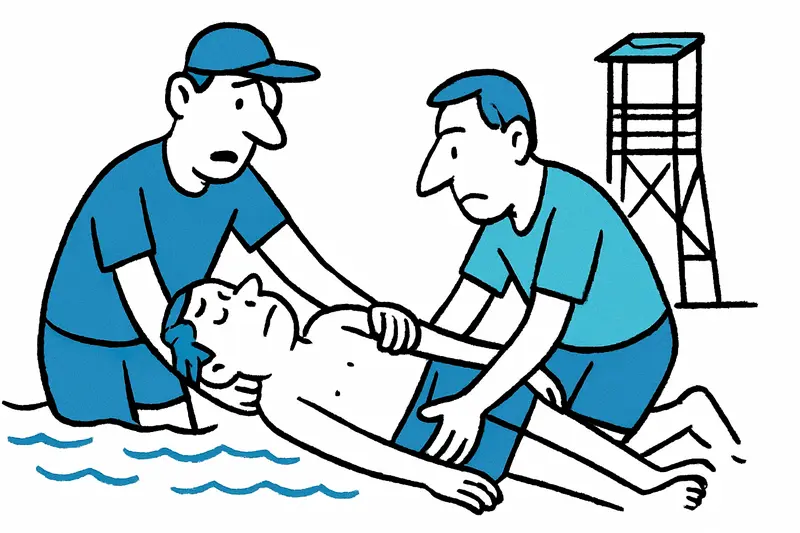
Magaluf: Watchtower Alarm – Lifeguards Pull Unconscious Beachgoer from the Water
After a drama in the late afternoon, two lifeguards at Magaluf beach rescued an unconscious 44-year-old man. He was stab...
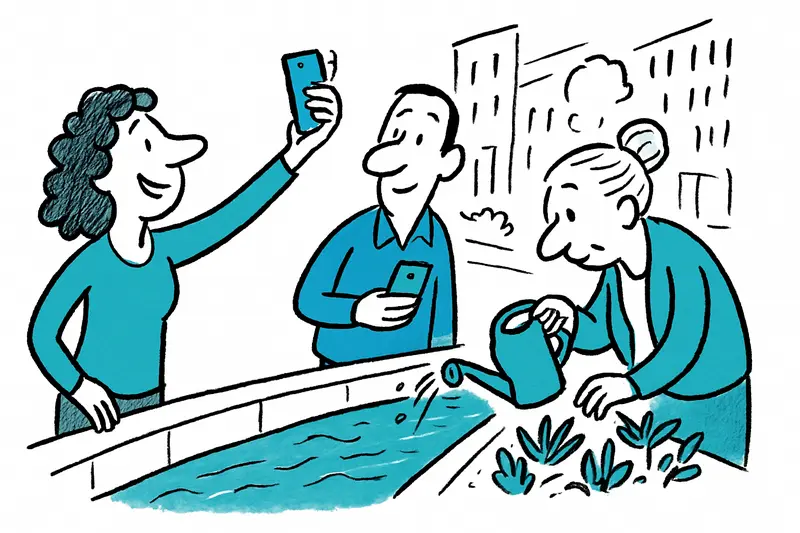
Turquoise in the City: How dangerous is the color play of the Sa Riera?
The Sa Riera in Palma suddenly turned turquoise — a pretty motif, but behind the effect lies a discharge of saline waste...

Jeckliner at Sunnesching: Cologne spirit sets sail from Palma
In September 2027 the Mein Schiff 2 briefly becomes a floating carnival stage: four days with Cologne bands, comedy and ...
Finally Home: Mike and Leyla Heiter Buy Villa with Sea View in Mallorca
The reality TV couple Mike and Leyla Heiter have bought a house in Mallorca with a roof terrace and sea view. An Instagr...
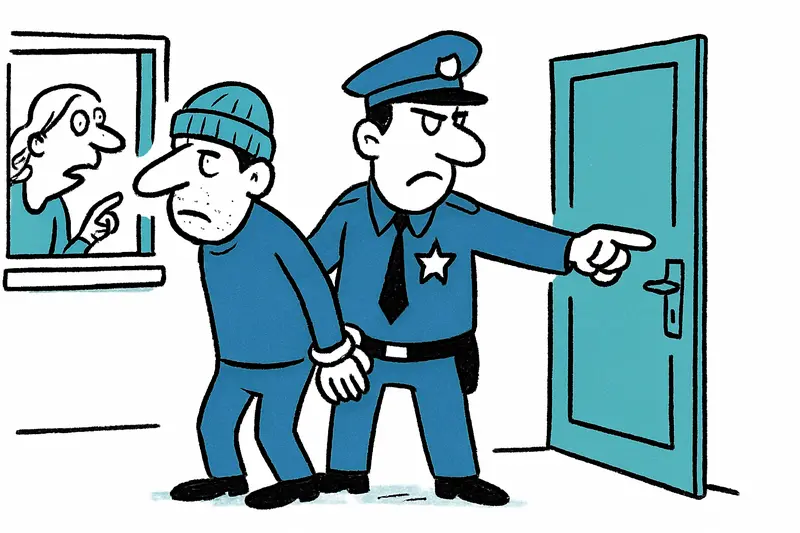
Arrest after series in Palma: Who protects apartments from repeat offenders?
The National Police arrested a man in Palma who investigators say may have broken into several apartments. In one incide...
More to explore
Discover more interesting content

Can Cap de Bou

Townhouse Lleo 72
