
Two Days Before the Mass Rally: What Holidaymakers Think — and What Mallorca Is Missing
Two Days Before the Mass Rally: What Holidaymakers Think — and What Mallorca Is Missing
Two days before the announced large rally in Palma, everyday life, the economy and frustration collide. A reality check with a guiding question, an everyday scene and concrete proposed solutions.
Two Days Before the Mass Rally: What Holidaymakers Think — and What Mallorca Is Missing
Guiding question
Who bears responsibility when citizens take to the streets against crowds of visitors — the tourists, the politicians, the hotel industry, or all of them together?
Critical analysis
On Sunday, local initiatives are calling for a large rally in Palma; a few days later another action is already scheduled in Soller. Such dates show that the anger did not arise suddenly. On Mallorca three realities rub against each other: an economy that relies heavily on visitor income; neighborhoods where housing is becoming scarcer; and public spaces that reach their limits at peak times. The tension is not created by numbers alone, but by the feeling that politics and administration are responding too slowly.
From an economic perspective tourism provides income, jobs and infrastructure, but it also shifts local markets: tourist beds and short-term rentals drive demand for real estate, which in places like Soller — according to a municipal study — has led to a ratio of more than 75 guest beds per 100 inhabitants, as discussed in Reality Check: Why Mallorca Can Hardly Escape Massification; property prices there have risen significantly over roughly 15 years. The consequences are pressure on rents, the displacement of everyday suppliers and traffic burdens from rental cars, as described in Mallorca at the Limit: Will This Weekend Break the Visitor Maximum?. All of this are structural problems — not purely emotional reactions.
What is missing in the public debate
The debate is often black-and-white: tourists as scapegoats or as a sacred cow that must not be touched. What is missing is an honest inventory: reliable figures on how much revenue stays in the local economy, transparent data on holiday apartments, clear rules for converting residential housing, more precise traffic counts at seasonal peaks and an assessment of which jobs would actually be threatened by possible limits. Also scarcely visible are pilot projects that specifically test how visitor flows can be directed without paralyzing entire sectors, for example in Parades, vintage cars, street chaos? How Palma and the island should better manage closures.
Everyday scene from Palma
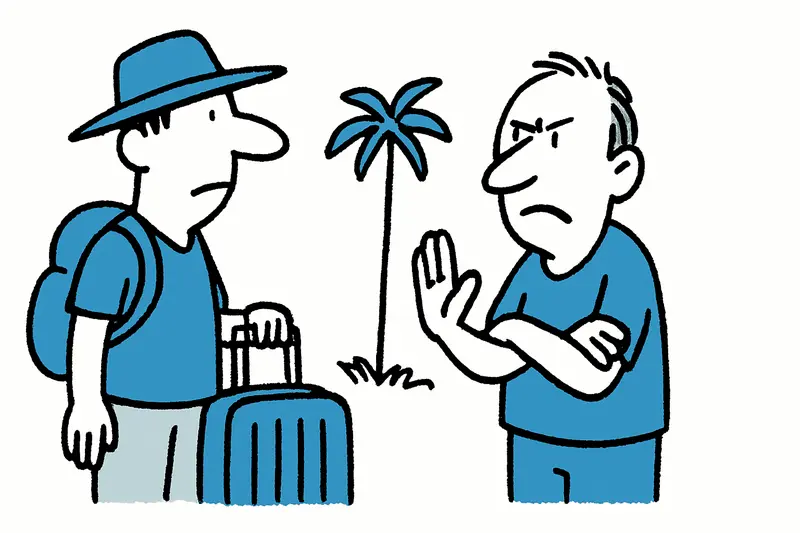
It is early afternoon on the Plaza Mayor; the sun is still warm at about 30°C, the streetlights are not yet glowing. Tourists roll suitcases over the cobblestones, children run around a street performer, a scooter's tinkling bell mixes into the babble of voices. Many guests seem harmless: they look for shade, a café and culture. Some locals sit at a standing table on the Passeig Mallorca and watch the mix of residents and visitors. A few locals take a deep breath because parking is scarce, supermarket shelves for quick purchases are tighter and apartment hunting has become more difficult. These scenes show: there is no single enemy image, but countless small conflicts that together are getting louder.
Concrete solutions
- Strengthen the data basis: More transparency about short-term rentals, the origin and length of stay of guests and the distribution of tourism tax revenues helps to justify decisions. - Targeted regulation: Instead of blanket limits on beds, no-go zones for new tourist beds, stricter control of rental platforms and binding minimum requirements for hosts can be tested. - Redirect revenues: Tourism levies should be earmarked for social housing, managing visitor flows and maintaining public spaces. - Off-peak strategies: Incentives for stays outside the high season reduce peak burdens; events and offers can be deliberately decentralized. - Mobility management: Promoting park-and-ride, bike sharing and stricter rules for rental car fleets reduces congestion and parking pressure. - Community agreements: Hotels, organizers and local businesses could sign binding agreements covering working conditions, local purchasing and measures against displacement.
What should happen now
Politics and administration must honestly state which steps are possible immediately and which require long-term planning. Practical measures (stricter licensing of holiday apartments, targeted use of the tourism levy) can be implemented in the short term; bigger questions like a sustainable tourism structure or economic diversification need dialogue and time. Important: the discussion must not descend into blanket attacks on tourists. Many guests travel respectfully — others cause problems. Both must be considered separately.
Pointed conclusion
The demonstrations are a wake-up call, not a free pass for populist answers. Anyone who lives, works or visits the island has an interest in solutions that save coexistence without needlessly damaging the economy. Those who now distribute simple blame miss the chance to turn discontent into concrete policy. Mallorca needs more transparency, experimental pilot projects and an honest distribution of burdens — that is harder than slogans, but more sustainable for the island.
Frequently asked questions
How does tourism affect housing and traffic in Mallorca?
What steps could Mallorca take to manage visitor pressure on public spaces?
Who bears responsibility for crowd issues in Mallorca?
What are effective off-peak strategies to reduce Mallorca's peak-season congestion?
How transparent should data on short-term rentals be in Mallorca?
What daily life looks like around Palma's Plaza Mayor with visitors?
What mobility measures could Mallorca use to reduce congestion and parking demand?
What does Soller’s housing market reveal about tourism’s impact on locals?
Similar News

Rental Car Theft in El Arenal: What This Incident Reveals About Our Gaps
A teenager steals a running rental car in El Arenal, flees on foot, climbs over walls and is caught by the Guardia Civil...
Red Rope in Palma's Library: What Helps Against Selfie Tourism — and What's Missing
Palma's city library cordoned off an area with a red rope to keep selfie tourism away from reading and working activitie...
Fort San Carlos: Museum, Harbor Dispute — and a Conflict That Demands Answers
The military museum at Fort San Carlos sits right on Palma's harbor, with unexpectedly quiet rooms filled with cannons a...
Old Town Under Pressure: When a Doorway Becomes a Sleeping and Shower Place
For months a woman has been living with a parasol, a clothes rack and personal belongings next to the social welfare off...
When Shopping Weighs Heavier: Mallorca Demands a Tax Pause on Food and Fuel
Rising prices are putting pressure on households and agriculture. The Balearic Islands are calling for temporary tax rel...
More to explore
Discover more interesting content

Can Cap de Bou

Townhouse Lleo 72
