
Vacation Rentals on the Rise: How Mallorca Can Balance Daily Life and Guests
More and more guests are staying in vacation rentals instead of hotels. This brings new life to villages, but also causes parking pressure, waste disposal issues and new responsibilities for municipalities. How can we find the balance?
How many vacation rentals can Mallorca tolerate? A question between croissants and traffic noise
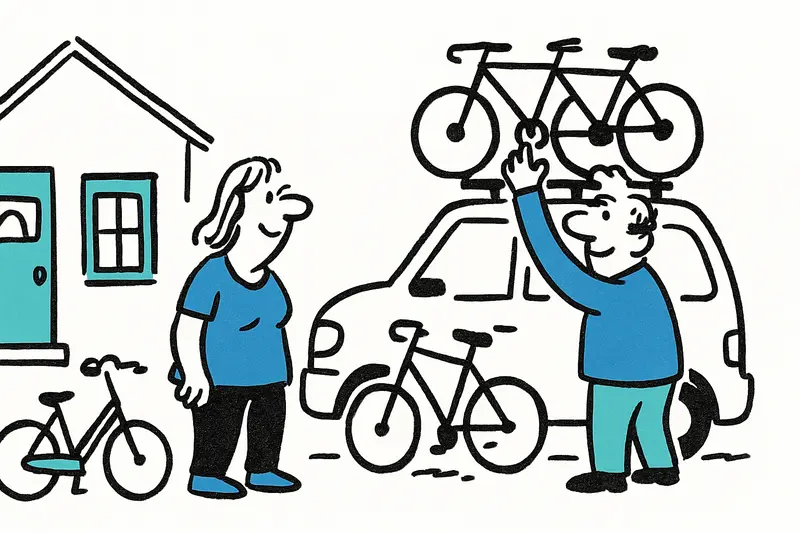
You notice it in small ways: in the morning the queue at the bakery in Port de Sóller is a little longer, coffee is served with friendly calm at the Olivar market in Palma, and bike racks click on car roofs on the road toward Llucmajor. The numbers confirm what the island feels: vacation rentals are booming. The central question is therefore quite pragmatic: how can we balance many guests' desire for an "authentic" Mallorca experience with the everyday life of residents?
Analysis: Why the trend is not just a holiday phenomenon but a local one
The reasons for the increase are logical: families want space, self-caterers appreciate flexible breakfasts on the balcony, and dog owners more often find pet-friendly accommodations. In towns like Palma, Sóller or in the south around Llucmajor you can tell that guests no longer just lie by the hotel pool but look for the baker, the small supermarket and the market hall. That has a pleasing consequence: local businesses benefit and Tourism Boom in Mallorca: 15 Percent More Bookings — Opportunity or Risk?.
Overlooked problems: what is often missing from the public debate
But the boom also has downsides that are rarely voiced loudly: housing shortages for locals, increasing parking pressure in narrow streets (Cala Major has such corners), higher burdens on waste disposal and seasonal fluctuations in water and electricity consumption. Not to be forgotten is quality assurance. Not every vacation rental is professionally managed, which can lead to neighborhood disputes and safety concerns — a dynamic described in Fewer Guests, Pricier Nights: How Vacation Rentals Are Changing Mallorca's Neighborhoods in 2025.
Concrete challenges on the ground
Many municipalities face practical questions: where should renters park their cars when the streets are narrow? How is bulky waste handled when guests change frequently? And who checks whether rentals are declared for tax purposes? In rural areas, campsites with surfboards and retro tents are growing in popularity — an opportunity but also a need for clear rules on quiet hours, sanitation and fire safety.
Solutions: what municipalities, hosts and guests can do
It is not enough to simply name problems. Here are some practical ideas that already work in European cities or can be easily adapted:
Clear registration and transparent fees: A mandatory short-term rental registration creates transparency. Revenues could be earmarked for waste management, parking management and local health services.
Designated short-term parking zones and cycling promotion: Temporary parking zones for arrivals and departures, more secure bike racks and expanded bus services reduce car pressure — especially along routes to Llucmajor or to popular beaches.
Quality seals for responsible hosts: Certificates for eco-friendly, low-noise and locally connected hosts help guests choose and reward neighborhood compatibility.
Campsites as a relief valve: Investments in sanitation facilities and fire prevention at campsites make them an attractive, regulated alternative for outdoor and active holidaymakers.
Community-oriented information campaigns: A friendly welcome flyer in the accommodation that explains local rules, waste separation and tips for the Sunday market can clear up much ignorance — and prevent conflicts. These approaches align with broader recommendations such as UNWTO sustainable tourism guidance.
A local outlook — not black and white
The rise in vacation rentals is not a natural event that can simply be ignored. It brings opportunities for small businesses and new visitor experiences — but also obligations toward neighbors and infrastructure. The smart response is neither prohibition nor carte blanche, but shaping: precise rules, fair fees and incentives for sustainable behavior.
Done right, this creates coexistence that shows up in a longer croissant queue in the morning, a quiet village square in the evening and a well-organized campsite at noon. And that, dear readers, is not the worst kind of holiday — a little noise, lots of authenticity and a bit of consideration. That's Mallorca, not Disneyland.
Frequently asked questions
Why are vacation rentals growing so much in Mallorca?
What problems can vacation rentals cause for residents in Mallorca?
How can Mallorca manage vacation rentals without hurting tourism?
Are vacation rentals in Mallorca good for local businesses?
What should I know about parking if I rent a holiday home in Mallorca?
Is Sóller affected by the rise in vacation rentals in Mallorca?
What is happening in Palma with short-term vacation rentals?
Do travelers to Mallorca need to follow local rules in vacation rentals?
Similar News

Release after bloody attack in Palma: Why the court's decision raises questions
An 18-year-old who allegedly inflicted a serious neck injury on a man at Plaza Gomila using a wristwatch wrapped around ...
Kidnappings in Inca: Three young men forced into car trunks and abused in the forest – a reality check
In Inca, three 18-year-old men were forced into car trunks by masked assailants at the Plaça des Bestiar, taken to a for...
Spreading Massification: The Brake That Still Has Much Work to Do
Marga Prohens announces limits on volume tourism. The measures sound harsh — but are they enough to save everyday life, ...

Through the Keyhole onto the Party Yacht: How Daniela Katzenberger Is Planning Her 40th on Mallorca
Daniela Katzenberger turns 40 and wants to celebrate it on the island — likely with a boat, cake and her mother. A relax...
By Boat Instead of the Road: Palma's Water Bus — a Reality Check
The 'Bus Nàutic' launches in two stages — but questions remain over interim operations, fares and environmental requirem...
More to explore
Discover more interesting content

Can Cap de Bou

Townhouse Lleo 72
