
Valldemossa drama: How a hairpin almost changed everything — and what Mallorca must learn
A brief moment in the narrow streets of Valldemossa: A two-year-old girl was put in mortal danger by a hairpin. Why the cooperation of helpers was so important — and which measures tourist destinations will need in future.
A narrow moment in the alleys of Valldemossa
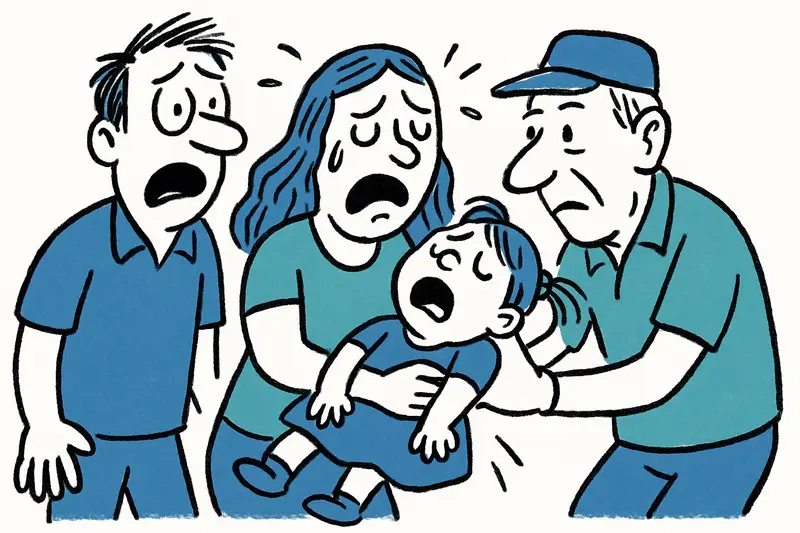
It was one of those hot afternoons when the light falls harshly on the cobbled lanes of the Mallorca's Curves without a Racing Heart: Staying Safe on the Tramuntana & Co. and the cicadas sing their monotonous, carefree song. Around 2:00 p.m., however, the quiet main street of Valldemossa turned for a short, dramatic moment into a place of panic: a two-year-old girl from a holidaying family swallowed a hairpin and suddenly could not breathe.
Eyewitnesses report that the family — by appearance and language likely from Slovakia — had just been taking photos when the child put the hairpin into her mouth. In seconds, a harmless walk became a medical emergency. Parents, tourists and café visitors became witnesses to a rescue operation that unfolded faster than the church clock could strike.
Immediate help from nowhere: How cooperation saved a life
The reaction of those present was remarkable: an English holidaymaker with medical training immediately began life-saving measures until the local emergency services arrived. Soldiers who happened to be nearby assisted, the police regulated traffic on the narrow street, and shortly after an ambulance arrived. The child escaped with minor injuries and was subsequently examined in Palma as a precaution.
These minutes show how much lives can depend on chance encounters — and how important practiced, coordinated action is. Many of those present later praised the cooperation of the helpers: "teamwork," said one witness, while others still had the image of the assisting doctor in their minds.
The central question: Are we prepared for such accidents?
The good news: the girl is alive. The difficult question remains: what can communities, businesses and visitors do so that a split second does not become a tragic event? Valldemossa is not an overcrowded urban area, but a picturesque village with narrow alleys — which is precisely why quick access for emergency vehicles and clear emergency plans are so important.
A few aspects are often overlooked in the usual discussion:
- Prevention rather than just reaction: Small everyday items such as hairpins, nuts or toys can become deadly for toddlers. Product warnings, age-appropriate packaging and notices in rental accommodations would be simple steps.
- Local first-aid training: Café owners, souvenir shopkeepers, taxi drivers and Hotels as an Emergency Measure: Between Humanity and Routine on Mallorca are in daily contact with families. Short, regular first-aid courses on site (also in English and other tourist languages) significantly increase chances of survival.
- Duty to inform for tourist centers: A brief safety leaflet at check-in or a notice at the tourist office with images instead of just text could help parents stay alert — especially if they do not speak the language well.
- Infrastructure and emergency routes: Narrow alleys are part of the charm but can be obstacles in an emergency. Temporary parking bans at heavily frequented spots, markings for emergency routes and regular drills with emergency services would be pragmatic measures.
Concrete proposals for Mallorca
From the incident in Valldemossa, directly implementable measures can be derived: free first-aid workshops in tourist hotspots (see Tragedy in Son Bauló: Small Cove, Big Questions — How Safe Are Mallorca's Unassuming Beaches?), multilingual warnings about small parts in shops, cooperation between municipalities and tour operators, and small first-aid kits at heavily visited places. The distribution of life-saving videos (two minutes on the topic of choking) at central information points could also be effective.
And one more thing: the willingness of strangers to help — from the holiday doctor to the soldiers — deserves recognition. But in the long run we should not rely on chance. A few hours of training here, an information sheet there, and many families would be safer.
An appeal to locals and visitors
Valldemossa returned to its usual rhythm in the evening: almond cake in the cafés, the scent of espresso and the soft ringing of the church. The helpers involved later drank their café negro on a bench, visibly exhausted. The incident remains a reminder: safety is not a trendy extra but part of hospitality.
Anyone who lives on Mallorca or vacations here can do something: keep an eye open, remove small hazards, take a first-aid course and, if in doubt, help. Because sometimes a chance encounter decides life and health — better if it happens prepared.
Frequently asked questions
What should parents do if a child swallows something and starts choking in Mallorca?
Are the narrow streets in Valldemossa difficult for emergency vehicles?
What small items are a choking risk for toddlers on holiday in Mallorca?
Should hotels and holiday rentals in Mallorca give safety information to families?
Are first-aid courses useful for people working in tourist areas in Mallorca?
What makes Valldemossa a place where safety awareness matters?
What emergency preparations should popular villages in Mallorca have?
Is it worth learning basic choking first aid before visiting Mallorca with children?
Similar News

When the Wallet Becomes a Danger: Attack in Peguera and Lessons for Mallorca
In Peguera, two women are said to have stolen the wallet from a 75-year-old German couple. When the victim intervened, t...
Plata stays Plata: Young people take over, Llonguets remain
A small bar on Carrer de l'Argenteria will continue: Tolo Serra hands the place over to young Mallorcans at the end of t...
Unnoticed in the Luggage Compartment: How a Boy Traveled More Than 100 Kilometers in a Team Bus
A minor traveled in the undercarriage of a team bus for more than 100 kilometers until his cries for help were heard. A ...

Cap Vermell Grand: Second Michelin Key – a Gift for the East
The Cap Vermell Grand in Capdepera has been awarded its second Michelin key. For the region this elevates the luxury off...
Eurowings lets four aircraft carry names – a friendly idea that also reaches Mallorca
Eurowings is launching a campaign: four Airbus A320s are to carry the first names of people who help others in everyday ...
More to explore
Discover more interesting content

Can Cap de Bou

Townhouse Lleo 72
