
Why are people dying on our beaches? A reality check after the bathing accident in Peguera
Why are people dying on our beaches? A reality check after the bathing accident in Peguera
An 83-year-old Swiss man died at Playa de Torà in Peguera. What do we know, what is missing in the public discussion — and what should Mallorca practically do now?
Why are people dying on our beaches? A reality check after the bathing accident in Peguera
Key question: What is going wrong with prevention - and how can we prevent similar accidents?
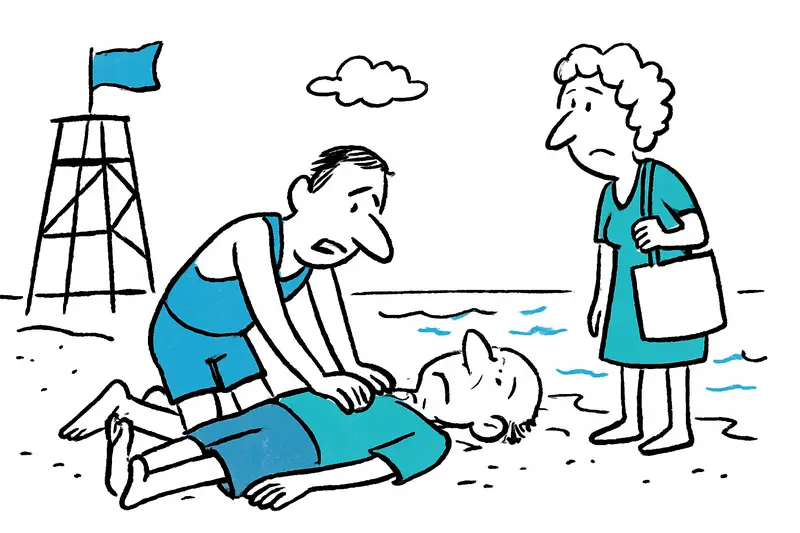
On Friday morning an 83-year-old man from Switzerland was recovered dead from the sea at Playa de Torà in Peguera. A lifeguard had spotted the motionless man drifting, brought him to shore and started resuscitation measures. Despite nearly an hour of efforts, the man died at the scene. His wife was with him. Only a few hours earlier, a three-year-old child had died in a bathing accident at a holiday resort on the island. Two deaths in less than 24 hours cannot be shrugged off. Similar incidents have been reported elsewhere on the island, for example Dead Tourist at Playa de Palma: An Accident Raises Many Questions.
The sober facts are harsh: times, beach name, country of origin, companions, duration of resuscitation. But the real problem only becomes clear when you look closely: it is not just individual fates, but gaps in the protection of people who want to enjoy our summer. Other reports, like Can Picafort: Death on the Beach – Was There Enough Protection Against Water Hazards?, document comparable cases.
Critical analysis
First: staffing and equipment issues. Many beaches are overcrowded in peak season; lifeguard posts operate at the limit of their capacity. A single lifeguard on a crowded bay cannot immediately notice every potential emergency. Local coverage gaps are highlighted in pieces such as Cala Blava: A Day at the Beach Ends in Death — Who Must Act?. Second: information deficit. Older holidaymakers often do not know how much heat, medication or heart conditions change swimming behaviour. Third: a lack of data transparency. There are hardly any easily accessible, locally broken-down analyses of bathing accidents – neither for municipalities nor for hotels and tour operators.
What is missing from the public debate
We rarely talk about the role of time of day, water temperature or the physical condition of older guests. The question of how hotels and rental providers inform their guests about local hazards is also asked too little. Practical advice – such as the location of lifebuoys, what to do in case of cramps, or the right way to warm up before swimming in strong heat – hardly appears on information sheets.
Everyday scene from Peguera
If you walk through Peguera on a morning you know the sound: calls of seagulls, the clatter of sunshades on the promenade, older couples with shopping bags, cafés already frothing the first espresso. Children play on the beach, and beside them older holidaymakers lie with sun hats. It is precisely these moments when a medical warning signal is quickly drowned out – between children’s laughter and the sound of the sea.
Concrete approaches — practical and feasible
1) More lifeguards at peak times: Calvià and other municipalities must review and adjust capacities at heavily frequented beaches. That means not only more staff, but also rotating observation points and short break rules to maintain attention.
2) Defibrillators and first aid stations at all major beaches plus training for staff and hospitality workers. A layperson-operable AED can save lives if it is quickly at hand.
3) Information requirements for accommodations: at check-in clear notices on beach conditions, hazard zones and behaviour in emergencies should be handed out - in several languages and made visible in rooms and apartments.
4) Targeted prevention: swimming and safety training for older residents and holidaymakers, education on interactions between medications and heat, informational signs at beach accesses.
5) Better data collection and publication: municipalities should publish anonymised records of bathing deaths and serious incidents with time, beach section and suspected cause. Only with data can action be targeted.
6) Cooperation: hotels, tour operators, emergency services and municipalities should develop local safety plans together - including clear alert paths, responsibilities and drill schedules. Calls for better precautions appear in reports like Death in Colònia de Sant Jordi: Could better precautions have made a difference?.
What is possible in the short term
Cities can immediately begin to equip beach accesses with clearly visible, multilingual safety information and make AED locations visible at tourist information points. Hotels can be more proactive on their websites and at check-in. These measures cost little and bring quick results.
Punchy conclusion
Every death is one too many. The tragedy in Peguera is not an accident - it is the consequence of gaps that have built up for months. We must move the issue out of the noise of the headlines and turn it into concrete work: better staffing, tangible information, life-saving devices and more local cooperation. If the island wants to claim its beaches are safe, sympathy alone is not enough. It needs planning and responsibility - today, not after the next report.
Frequently asked questions
How can Mallorca reduce drowning risk on busy beaches?
What should visitors know about heat, medications, and swimming on Mallorca's beaches?
Lifeguards and AEDs on Mallorca’s beaches: what's changing?
What role does information at accommodations play in beach safety on Mallorca?
Staying safe in Peguera: practical beach tips for visitors?
Hotels and operators: how can they help improve safety on Mallorca's coast?
Why is data collection important for beach safety in Mallorca, and what should be shared?
What practical safety steps could Mallorca implement in the short term?
Similar News

Micaela Schäfer: Between Playa de Palma and a Berlin Law Firm — New Calm, an Old Tomcat and Solid Finances
The party artist from the Ballermann scene appears surprisingly down-to-earth: a new relationship with a Berlin lawyer, ...
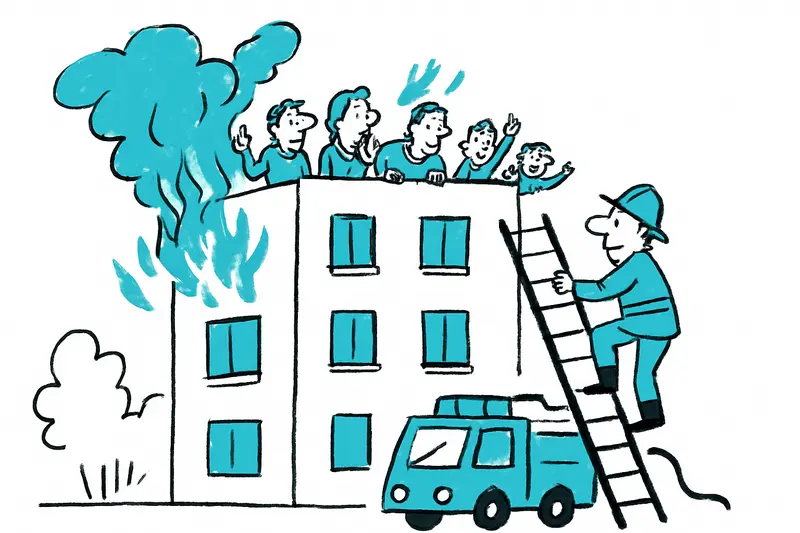
At Playa de Palma: Fire in Residential Building – six people rescued on the roof, what is missing in prevention?
In the evening a fire broke out on the first floor of a five‑storey building on Calle Trasimé. Six residents fled to the...
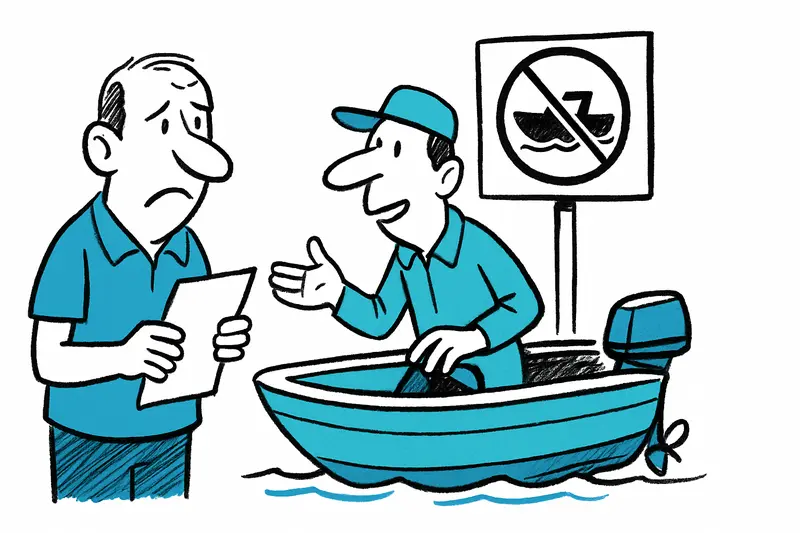
New License Requirement for Mini-Boats in Mallorca: Protection Measure or Tourism Brake?
From October 1 renters of small recreational boats in the Balearics must present a boating license. Critical questions r...
After the Storm: Mallorca Breathes Easy — Warm Weekend with Short Showers
The thunderstorm left its mark, but calm returns for the weekend: sun, summer temperatures around 32 °C, isolated shower...
No More 'Just Hop on a Boat': Mallorca, Mandatory Boating License and the Open Questions
From October 1, the Balearic Islands will require a boating license for small rental boats under five meters/15 hp. A tr...
More to explore
Discover more interesting content

Boat Tour with BBQ along Es Trenc Beach

Private transfer from Mallorca Airport (PMI) to Pollensa
