
Valldemossa: Costa Nord is being modernized — but at what cost for the village?
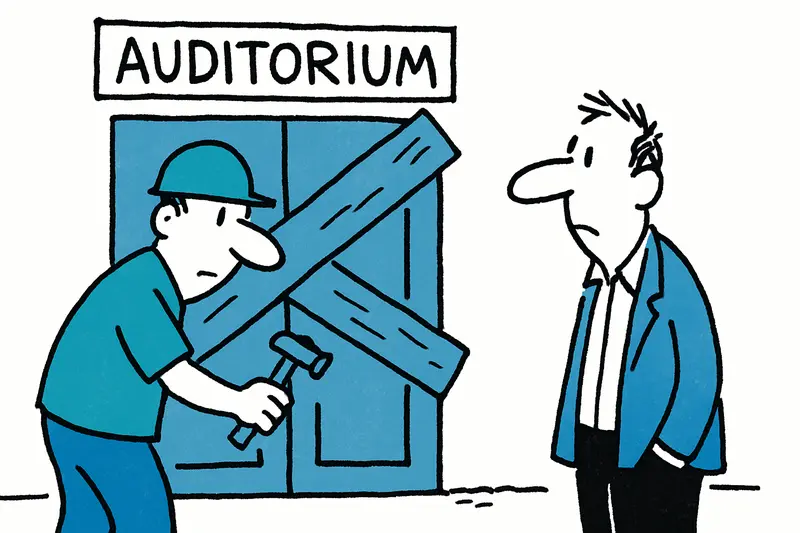
The Centro Costa Nord in Valldemossa is closing its auditorium for about a half-year renovation. EU funds will bring modern technology and energy efficiency — but residents ask: Will the atmosphere be preserved and how will cultural life and transparency be secured during the works?
A familiar house, new technology — and many questions
If you walk up the steep lane to the Plaça de la Cartoixa on a windless afternoon, you currently mostly hear the soft footsteps on the cobblestones, occasional voices from cafés and the distant tolling of the church bells – the Centro Costa Nord itself remains unusually quiet. The auditorium is closed because the municipality has begun a comprehensive renovation financed with EU funds; El 'Costa Nord' de Valldemossa recibe un nuevo rostro tras 25 años. Estimated cost: around €750,000. The central question therefore is: How much modernization can Valldemossa take without losing its atmosphere and sense of community?
What is planned — briefly and concretely
The package includes several technical and design interventions: a new roof with photovoltaic solar panels, a modern heating concept with underfloor heating, replacement of the seating rows, a new stage with an opened back wall for ramps and side entrances, and a complete renewal of lighting and sound technology. The background is simple: the current facility dates from the opening about 25 years ago and no longer meets modern standards in terms of acoustics and energy efficiency.
Why some in the village hesitate
Many in the town welcome the investment. It is reassuring when a cultural venue does not fall into disrepair. But voices of skepticism are growing louder: one neighbor says she is glad about the work but hopes at the same time that the "atmosphere of the place" will be preserved. That is more than nostalgia. In Valldemossa it is rarely only about a building — it is about sightlines, quiet evenings, and the way amphitheater atmosphere and everyday life interact in a confined space. A modern auditorium can enliven the place, but it can also trigger pushes toward commercialization if not planned with care.
Aspects that are rarely mentioned
It is not only the visible interventions that matter. Three important points are often underdiscussed: first, the acoustic effect of new materials within a historic ensemble; second, the impacts on the local event offering during the closure; third, the question of long-term operation and costs.
Acoustics: A modern stage with enclosed technology changes volume and sound character. That can be ideal for classical concerts but too large and cold for intimate readings. Organizers and planners should definitely involve room acoustics and test rehearsal phases in provisional spaces.
Event offering: If the auditorium is missing for six months, the cultural heart is gone. Some events will be moved to other places in the village — which offers opportunities for cafés, private courtyards and small churches — while other events could be canceled without replacement. An active plan for relocation, with clear communication, prevents gaps in the cultural calendar.
Operating costs: Solar panels and underfloor heating reduce energy costs in the long term. At the same time, modern technology and infrastructure increase ongoing maintenance efforts. The municipality should transparently explain how the follow-up costs will be covered — through grants, ticket prices or partnerships with cultural organizations.
Opportunities — if they are used
The renovation offers real potential: better energy efficiency in a historic building is a prime example of sustainable investment. New technology can attract young ensembles and strengthen cultural offerings in the low season. And: those who accompany the work openly can increase residents' identification with the project. Suggestions:
Participation: Information evenings, construction tours and a local advisory group build trust. When the public is shown the materials and concepts, the fear of the unknown fades.
Phased approach: Instead of doing everything at once, partial areas could be renewed one after the other. This would leave room for smaller events.
Temporary formats: Pop-up concerts in courtyards, poetry evenings in cafés or workshop days with artists bring culture directly into the village and support local businesses.
Material dialogue: Instead of replacing everything, wood from the old stage could be partly recycled or visibly integrated — a small, tangible link to the building's history.
Transparency and pace
The mayor emphasizes the necessity of the renovation; the financing runs through Next Generation EU. That is an opportunity, but also an obligation: EU funds require accountability. For Valldemossa this means more openness about the schedule, cost control and quality standards. Good communication minimizes rumors, creates understanding and can turn a construction site into an opportunity for civic participation.
A conclusion in the village mood
The works at the Costa Nord can make the small auditorium fit for the coming decades, save energy and modernize cultural life. At the same time, it must not be forgotten that Valldemossa is not made up only of cultural programs, but of the quiet moments between concerts: the scent of roasted chestnuts in the winter air, the rustle of the cypresses on the Serra de Tramuntana UNESCO World Heritage Site, the click of heels on wet cobblestones after a brief summer shower. A renovation that respects these things would be a good plan — and for that the municipality, planners and users should speak openly with each other now.
Frequently asked questions
Why is the Costa Nord in Valldemossa being renovated?
Will the Costa Nord renovation change the atmosphere of Valldemossa?
What changes are planned for Costa Nord in Valldemossa?
How long will Costa Nord in Valldemossa be closed?
What does the Costa Nord renovation mean for cultural events in Valldemossa?
Are solar panels and underfloor heating a good fit for Costa Nord in Mallorca?
Why are some people in Valldemossa cautious about the Costa Nord project?
How is the Costa Nord renovation being paid for in Valldemossa?
Similar News

When coercive fines aren't enough: Could holiday rental owners soon face prosecution?
The island administration is stepping up action against unauthorized holiday rentals: high daily coercive fines up to €5...

Palma Airport on an Expansion Course — Who Decides How Much Growth the Island Needs?
Aena and Madrid are planning multi-million euro investments for Son Sant Joan and project higher capacities. Concern is ...
Who Gets Left Out? Why Overbookings Will Hit Many Mallorca Travelers This Summer
On hot check-in days at Son Sant Joan, frustrated travelers pile up. New figures from Reclamador.es show that a large sh...
When the Handyman Came: How an Engagement Ring Disappeared in Mallorca and What It Says About Trust
During a repair in Andratx a highly personal engagement ring went missing — a case that calls not only for punishment bu...
How Burglars Test Fincas in Mallorca — and What You Can Do About It
The Spanish National Police warn of a simple but effective trick: small markings on doors reveal whether a finca is occu...
More to explore
Discover more interesting content

Can Cap de Bou

Townhouse Lleo 72
