
Village Festivals of Art: ArtinSal, TastArt and Canal'Art Bring Culture to Mallorca's Streets
Village Festivals of Art: ArtinSal, TastArt and Canal'Art Bring Culture to Mallorca's Streets
In October Ses Salines, Porreres and Santanyí turn their squares into exhibition spaces: three art nights, plenty of crafts, wine and a neighbourhood atmosphere.
Village Festivals of Art: ArtinSal, TastArt and Canal'Art Bring Culture to Mallorca's Streets
In October small towns open their doors to local artists, galleries and neighbours
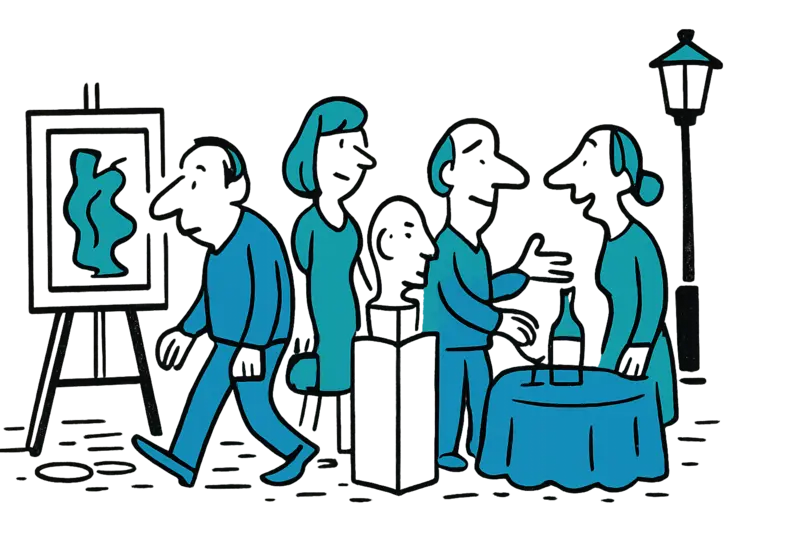
When the streetlights come on earlier and the evenings turn a bit cooler, a different rhythm becomes visible on Mallorca: the island moves its art shows from the museum into the villages. This October there are three dates in particular to remember: on October 3 Ses Salines invites visitors to Art Night "ArtinSal" in Ses Salines, from October 9 to 11 Porreres hosts TastArt, and on October 23 Canal'Art fills the Plaça Canal in Santanyí once again.
The atmosphere differs from the Nit de l'Art in the city, a contrast discussed in Mountains or Sea? Two Art Nights, Two Moods — Esporles vs. Ses Salines. Instead of crowds and big international names, the village events are quieter, more direct and often very personal. In narrow lanes you can smell bits of fried ensaimada next to olive oil, guitar music drifts from a café, and the volunteers at the information booths know many of the artists by their first names. That is exactly the charm: art meets neighbourhood.
In Ses Salines, the fifth edition of ArtinSal will once again gather numerous positions. Squares, house courtyards and shop windows become small stages where painting, sculpture and object art interact directly with passers-by. Among the exhibitors are also artists from Germany who show their works in the village setting and thus enrich the local scene.
Porreres takes a different approach with TastArt: here the focus is explicitly on sensory encounters. The programme combines visual art with tactile and tasting formats, and visitors are invited not only to see artworks but also to hear, taste or take part in them. A wine tasting is part of the regular offerings – a nice opportunity to combine a local product with artistic impulses.
Santanyí has long been an address for galleries on the island, and Canal'Art enlivens the historic centre with a dense exhibition network. Around the Plaça Canal galleries, studio doors and shop windows open, and street corners become unusual stages. If you wish, you can end the evening with a stroll along cobbled paths and the sound of bells and voices.
These events bring more than culture to the towns: they create visibility for local creatives, draw visitors into small businesses and foster what is often lacking – encounters. For traders and restaurateurs the evenings are welcome because they bring a different clientele to the villages: visitors who stroll deliberately, buy and stay.
Practical tips: comfortable shoes are advisable; many exhibition venues are on cobblestones. Parking in the towns can be limited; those arriving without a car should check local bus connections or arrange a taxi early. Programme details can usually be found on notices at the town hall or on the official municipal websites.
A small tip for participation: many exhibitions allow direct conversations with the artists. If you particularly like a work, ask about its creation, materials and prices – such conversations often lead to new contacts or small commission works. And if you don't want to buy an artwork, you can support the events with small donations to charitable initiatives or simply order a drink in a gallery.
The art nights in Ses Salines, Porreres and Santanyí show that Mallorca's cultural pulse is not confined to the capital. Walking through the lit streets at night, you hear footsteps, laughter and occasionally a conversation about colours and forms. It is the unpretentious moments that remain: an unexpected painting, a conversation with an artist on the square or the smell of hard work in a workshop. For the island these village festivals of art are a gain – for visitors an invitation to discover.
Looking ahead: Those who want to extend the season can support local initiatives by recommending events, buying art or attending workshops; for more autumn events see October in Mallorca: Four Festivals That Make Autumn Tasteable.
Frequently asked questions
What is the best time of year to visit Mallorca for outdoor activities and beach time?
What should I pack for a trip to Mallorca?
Is Mallorca suitable for a family holiday?
What should I know about swimming and beaches in Mallorca?
How does the weather vary across Mallorca during the year?
What are the best ways to get around Mallorca?
Do I need to learn Spanish to travel around Mallorca?
Are there cultural or food experiences I shouldn’t miss in Mallorca?
Similar News

Beatings in Palmanova: Two British tourists injure taxi drivers — what needs to happen now
In Palmanova, two taxi drivers were attacked at night by apparently drunk tourists. One suffered severe facial injuries ...

Christmas Market Conflict in Palma: Who Owns the Christmas Season?
The relocation of a privately organized, German-influenced Christmas market to Parc de la Mar is causing anger among loc...
Casting for an Intimate Scene in Mallorca: What Couples Should Know
A casting agency is looking for a couple living in Mallorca for a fully nude scene in an international film shoot on Oct...
Masked Images, Real Panic: When Social Media Aesthetics Alarm Neighbors
Five German content creators filmed on a recently vacated detention site using deceptively realistic props. The result: ...
Why the Striped Breams in Cala Pí Should Be a Wake-up Call
Once again bathers in Cala Pí were surrounded while swimming by small, nippy fish — some wounds bled. Time for clear rul...
More to explore
Discover more interesting content

Can Cap de Bou

Townhouse Lleo 72
