
Beatings in Palmanova: Two British tourists injure taxi drivers — what needs to happen now
Beatings in Palmanova: Two British tourists injure taxi drivers — what needs to happen now
In Palmanova, two taxi drivers were attacked at night by apparently drunk tourists. One suffered severe facial injuries and lost several teeth. A reality check: How safe are nights in holiday resorts?
Beatings in Palmanova: Two British tourists injure taxi drivers — what needs to happen now
Guiding question: How safe do the people who work for us at night feel?
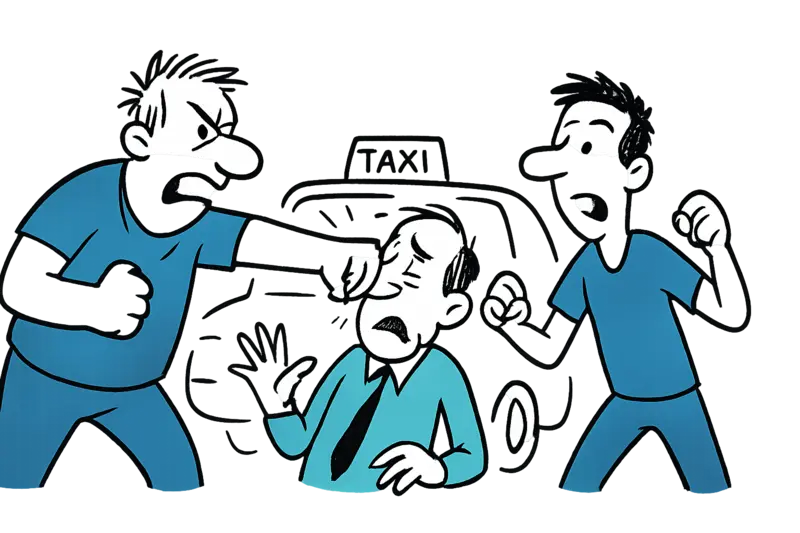
It was shortly after half past two on a Wednesday morning at Passeig Mar, number 48, when the order of an otherwise loud but routine taxi rank broke down, as highlighted in Paseo Marítimo: Taxi drivers stop drunk driver. Two British men, aged 31 and 21, got into an altercation with drivers; a colleague who tried to intervene was also struck. One driver was left bleeding, several teeth had been knocked out. The Guardia Civil of Calvià intervened a few minutes later and took the two detainees away. One was released by the court on €15,000 bail; both face charges of bodily harm.
The bare facts are shocking. More important is the question of what makes such incidents possible: the nightly mix of alcohol, dense crowds, dark corners and often only sporadic police presence. In summer Palmanova's bars buzz late into the night, bass speakers lie in the streets like discarded tools. In this scene taxi drivers take responsibility for resting and arriving guests — often without significant protective measures.
Viewed critically, three levels are at play: prevention, intervention and legal follow-up. Preventively, visibility is lacking in many places: taxi stands are poorly lit, surveillance systems are missing or patchy, and private security personnel are not always present. Intervention works, but not always quickly enough: the 062 did reach the scene, but the minutes before arrival decide the severity of injuries and the victims' trauma. On the legal level, the bail decision troubles parts of the public: victims of violence see arrests, but not necessarily tangible protection.
What is often missing in the public discourse is the voice of the taxi drivers themselves. You know these people: the guy with the torn parking ticket on the windshield, the one who is on the Plaça at five in the morning and picks up returning tourists in the evening. Their reports of drunk guests, insults and escalating situations often remain anecdotes, as in Waking up on the street – what does this mean for taxi safety?. Accurate figures on assaults at stands are lacking, as are concrete statements from municipal authorities about which measures are planned for Palmanova.
A typical scene in Palmanova: lamplight flickers, the waves roar in the distance, groups stagger along the waterfront promenade. Taxi drivers stand in small groups, drink quick coffee from paper cups, listen to the rustle of the radio. In that exact moment a situation can turn quickly — a word, a grab, a blow. It takes a moment, and someone from the night shift carries the consequences on their face and in their soul for days.
Concrete solutions are on the table and are affordable: clear presence plans by the Guardia Civil and municipal police units for particularly busy nights; permanently installed cameras at hotspots like Passeig Mar 48; a button-activated emergency system for taxis that sends an alarm directly to 062 and to nearby patrols; mandatory de-escalation training for drivers; and cooperation between taxi companies, bar owners and the municipality to recognize and prevent aggressive behavior early.
On the legal level, it should be reviewed whether stricter conditions on bail and reporting obligations can be attached in cases of serious bodily harm and clear endangerment of others, as public debates after the Nighttime Attack on the Paseo Marítimo: How Safe Is Palma’s Party Mile Really? showed. That would not only protect victims but also send a signal to potential offenders: Mallorca will not tolerate violence, neither against locals nor tourism workers.
A small, practical project could start quickly: installing two cameras and a permanently installed panic button at the Passeig Mar 48 stand, fundable through a mix of municipal funds and a contribution from the taxi center. Similar escalations in the area have been reported, for example in the Brawl at Playa de Palma: Why a verbal exchange could have ended fatally. At the same time, a multilingual flyer in bars and clubs with information about alcohol limits and consequences for assaults.
Conclusion: The incident in Palmanova is not an isolated spectacle but a wake-up call. It is not only about punishment afterwards, but about everyday protection for people who work at night so they can go home in the morning with their bodies and consciences intact. If we as an island seriously want to improve safety in our holiday resorts, it will take fewer words and more concrete steps — and now.
Frequently asked questions
When is the best time to visit Mallorca for beach days and pleasant weather?
Are Mallorca's beaches safe for swimming and what should I watch for?
What should I pack for a sun-filled trip to Mallorca?
Is it easy to get around Mallorca without a car?
What outdoor activities are popular in Mallorca?
What are the highlights of Palma de Mallorca worth visiting?
How does Mallorca’s weather change with the seasons?
Are there family-friendly activities suitable for kids in Mallorca?
Similar News
Village Festivals of Art: ArtinSal, TastArt and Canal'Art Bring Culture to Mallorca's Streets
In October Ses Salines, Porreres and Santanyí turn their squares into exhibition spaces: three art nights, plenty of cra...
Christmas Market Conflict in Palma: Who Owns the Christmas Season?
The relocation of a privately organized, German-influenced Christmas market to Parc de la Mar is causing anger among loc...
Casting for an Intimate Scene in Mallorca: What Couples Should Know
A casting agency is looking for a couple living in Mallorca for a fully nude scene in an international film shoot on Oct...
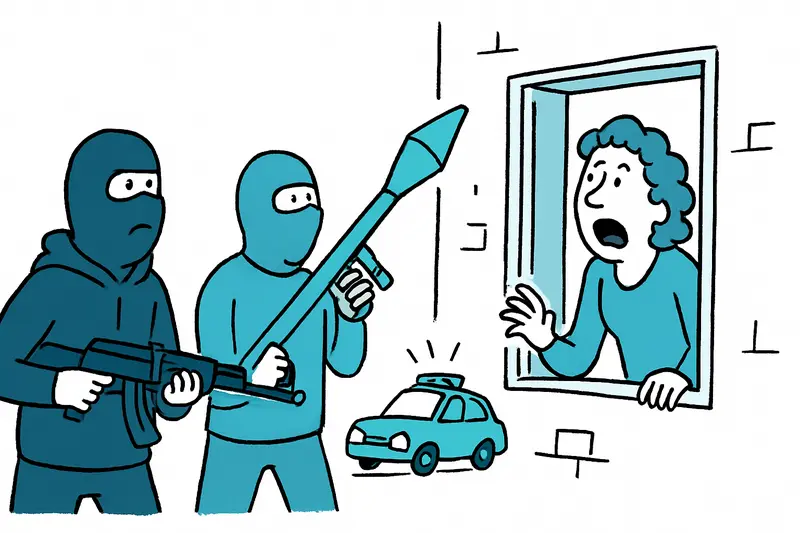
Masked Images, Real Panic: When Social Media Aesthetics Alarm Neighbors
Five German content creators filmed on a recently vacated detention site using deceptively realistic props. The result: ...
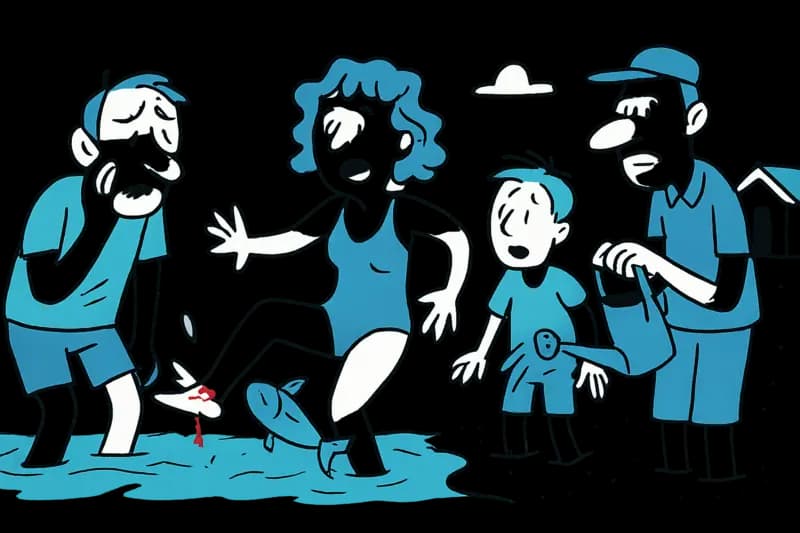
Why the Striped Breams in Cala Pí Should Be a Wake-up Call
Once again bathers in Cala Pí were surrounded while swimming by small, nippy fish — some wounds bled. Time for clear rul...
More to explore
Discover more interesting content

Can Cap de Bou

Townhouse Lleo 72
