
When a Shop Becomes a Scene: Violence in Son Gotleu and the Consequences for the Neighborhood
When a Shop Becomes a Scene: Violence in Son Gotleu and the Consequences for the Neighborhood
A shop owner in Son Gotleu beat a teenager with a metal bar. What lies behind such an escalation, and what is missing in the public debate? A local perspective with proposed solutions.
When a Shop Becomes a Scene: Violence in Son Gotleu and the Consequences for the Neighborhood
Guiding question: Why does a shop dispute in Mallorca end with a metal bar?
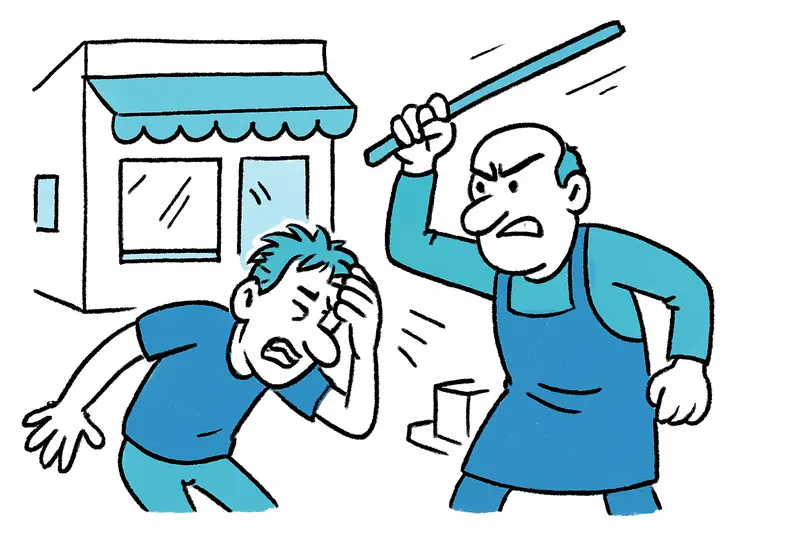
In the morning, the sun has just enough strength to warm the tiled floors in front of the small grocery stores in Son Gotleu, delivery vans honk, and somewhere in a side street the espresso machine hisses. Amid this everyday chorus, a teenager was struck so hard that the wound required four stitches. The shop owner, arrested according to police reports, had chased the boy and hit him with a metal bar — after accusing him of theft.
The scene sounds brutal and almost unreal, but it is not: such incidents are both a symptom and a warning sign, as evidenced by Threat in Son Gotleu: Youth Group Robs Phone and Threatens with Knives. So I ask again: How can an accusation turn into raw violence so quickly, in the middle of a residential neighborhood, with witnesses around and with an alarm button in the shop that summoned the police?
Critical analysis: triggers, logic and gaps
First the simple facts, as described by the responders: an alarm was triggered, relatives took the victim to the hospital as an emergency, and the suspected perpetrator was stopped in a neighboring street. But behind these sequences hide mechanisms we must not overlook. There is a mix of mistrust of authorities, a sense of personal responsibility for property and the feeling that one must enforce the law oneself. In neighborhoods like Son Gotleu this meets close-knit communities, economic strain and occasionally a lack of prospects for young people, despite recent large-scale interventions such as Major operation in Son Gotleu: 60 police officers, many questions.
Another aspect is the dynamic of escalation: a confrontation in the shop, then a foot chase — that is already an intensification. That the shop owner had a metal bar with him or that it was quickly at hand speaks to a lack of de-escalation strategies and to a fatalism that grows from fear and anger. The owner's claim that the teenager attacked him does not change the fact that he resorted to a weapon — and that is criminally relevant.
What is missing in the public debate
We often talk about numbers, arrests, about “safer” or “less safe” neighborhoods. Rarely do we talk about:
1. Everyday protocols in small businesses: What is the procedure when shoplifting occurs? Who calls the police first? Are staff trained? Many merchants react improvised because they have no clear, trusted guidelines.
2. Perspectives of the young: Why are some teens out at night? Are there missing leisure activities, supervision or simply the possibility to make mistakes without immediate stigmatization?
3. Trust in authorities: Part of the population perceives slow response times or fears language barriers, a perception discussed in Why so many police officers in Son Gotleu? A look behind the controls. That fosters vigilante behavior.
Everyday scene as a mirror
I imagine a typical street in Son Gotleu: the butcher, a few chairs in front of the café, older women watching laundry from balconies. A boy on a scooter speeds by, laughing, then a shout, people pour out. Such a small street quickly turns into a courtroom; neighbors comment, children watch in fear. It is precisely this human closeness that makes the situation so explosive — the law must not be decided on the street.
Concrete solutions
From practical experience, not as general police advice, here are some sensible measures:
For shop owners: mandatory training on conflict avoidance and behavioral protocols for theft incidents; clearly visible notices that staff will call the police; functioning panic buttons and clear instructions on how to act when the alarm is triggered.
For the city and police: faster, trusted initial contacts in neighborhoods like Son Gotleu, strengthened streetwork teams that reach young people, and mobile advisory services present during morning and evening hours.
For the community: more low-threshold leisure options, tutoring and mentoring programs; mediated neighborhood meetings to ease conflict lines between shopkeepers and young people.
Legally it should be clearly communicated: violence to defend property is not a legitimate means; citizens' rights end where physical integrity begins. Translation and legal information services for residents with a migration background would help reduce frustration.
Punchy conclusion
It is not the metal bar that changes Son Gotleu — it is the gaps between prevention, social care and legal clarity. Anyone who walks through the Carrer streets in the morning and sees people at the bakery does not want neighborhood life to become a zone of confrontation. We need fewer judgments in public and more structures that keep disputes so small they do not end in blood.
If the authorities and the community do not act now, then after the pain of the wound only one thing will remain: the memory of a blow that could have been prevented. And that is a responsibility we all share — shopkeepers, parents, politicians and neighbors alike.
Frequently asked questions
What is the best time of year to visit Mallorca for good weather and manageable crowds?
Is it safe to swim in Mallorca’s sea throughout the year?
What should I pack for a trip to Mallorca?
How can I get around Mallorca without renting a car?
What are good beach options in Mallorca for families?
What activities can I do in Mallorca besides beaches?
Are there scenic day trips from Mallorca that don’t require long travel?
Are there seasonal considerations I should keep in mind when planning a Mallorca trip?
Similar News
The "Bierkönig" Case of 1997: A Mallorca Mystery Returns to Television
Almost 30 years after the triple murder in S'Aranjassa, a German TV program is bringing the case back into the public ey...
Who decides over Mallorca's airports? A reality check after the demo in Palma
Hundreds of people marched through Palma, demanding fewer flights, an end to night flights and more say in decisions. Wh...
Nazi Shout at Ballermann: Why the Münchner Kindl Had to Act
During a performance at Ballermann a guest shouted "Sieg Heil"; singer Alex Engel stopped the show and had him removed. ...

Almost three decades after the shootings: The unsolved "Bierkönig" case and the search for answers
The 1997 murder at a finca in S'Aranjassa remains a mystery. A German TV program has brought the case back into discussi...
Neighbor Dogs Kill Family Dog Binta – Who Is Responsible?
In Santa Eugènia, five German Shepherds mauled the family's dachshund Binta. The owner demands responsibility instead of...
More to explore
Discover more interesting content

Can Cap de Bou

Townhouse Lleo 72
