
Neighbor Dogs Kill Family Dog Binta – Who Is Responsible?
Neighbor Dogs Kill Family Dog Binta – Who Is Responsible?
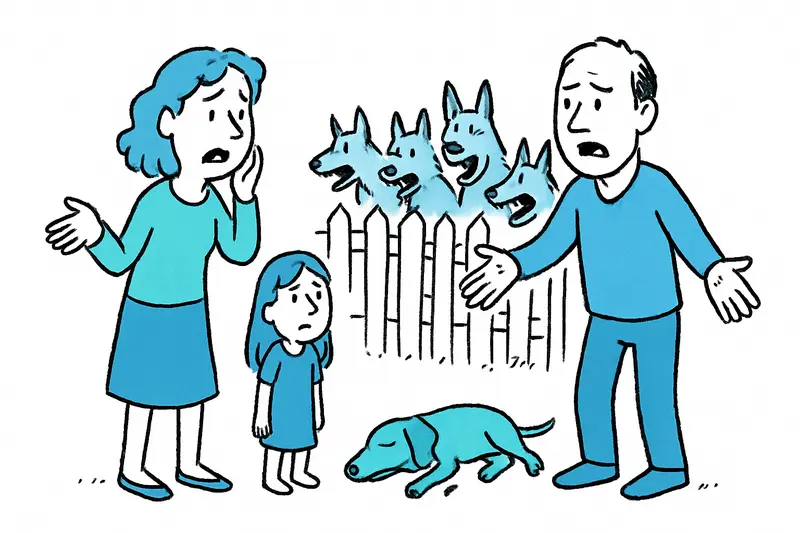
In Santa Eugènia, five German Shepherds mauled the family's dachshund Binta. The owner demands responsibility instead of advice. What is missing in dealing with dangerous situations on the island?
Neighbor Dogs Kill Family Dog Binta – Who Is Responsible?
Key question: Is it enough to reinforce the fence and file a complaint — or should the keeping of large dogs on Mallorca be more strictly controlled before people and small pets are put at serious risk?
On September 30, at around 10 a.m., a normal morning in Santa Eugènia ended tragically for the Hansen family: the two-year-old dachshund Binta got through an opening in the property fence into the neighboring plot and was apparently so badly attacked by five German Shepherds that all attempts to save her were too late. The veterinary report lists numerous bite wounds to the neck, abdomen and back, a liver injury and fractures of the cervical spine. The police on site and the SEPRONA unit of the Guardia Civil were informed; the local mayor, Pep Lluís Urraca, is also involved and advised securing the fence.
The scene in this neighborhood is familiar: occasional barking, walkers in the village center, the church whose bell rings at noon, and families spending time in their own gardens, and similar cases have occurred elsewhere such as Sa Pobla: Escaped Shepherd Dogs Kill Several Cats — Who Takes Responsibility?.
Kristin Hansen, the German resident, says her life had been dominated by worry for some time: the five dogs regularly patrolled the fence line, jumping and barking. Out of fear the family had avoided parts of the garden. Now the worst that she had warned about has occurred — and the question remains how safe it is to live here with children and small dogs.
Critical analysis: The incident reveals several gaps. First: structural security. A simple defect or gap in the fence was enough to make the tragedy possible. Second: prevention and the behavior of dog owners. When neighbors repeatedly raise the alarm about agitated animals at the boundary, that is a warning sign. Third: administrative processes. Recommendations to reinforce fences and to examine civil liability are factually correct — but hardly consoling for victims who want immediate safety. Legal action takes time; until then the risk remains, and systemic failures have had worse consequences, as shown by Horror at Palma Port: 27 Dogs Dead After Ferry Crossing — What Went Wrong?.
What is often missing in public debate is a sober look at responsibilities. It is not about condemning a breed. Many German Shepherds are well socialized and harmless. It is about owners' duties: controlling animals, secure enclosures, proper registration and, where appropriate, training. Also missing is a clear procedural plan from local authorities for cases in which animals repeatedly pose a potential danger: When is a dog temporarily removed? When does the veterinary authority intervene? What evidence must neighbors provide? Past judicial attention to animal welfare issues, such as in Female dog in a trash container: What the Pollença case says about our relationship with animals, underlines the need for clear procedures.
Another gap: practical immediate measures for those affected. What should families living on a border do if they feel threatened? The official recommendation to "reinforce the fence" is sensible but only helps afterwards. Before that, residents need access to quick, binding steps — from a clear reporting point to timely checks by the local police.
Everyday scene from Mallorca: Imagine the small street in Santa Eugènia: olive trees, the chirping of crickets in the late mornings, and the neighbor dogs often patrolling the edge. Children run barefoot over gravel paths, someone leaves shopping bags by the door — and an unrepaired fence can upset the balance of daily life. This feeling of insecurity now sits deep with the Hansen family: they continue to live there with their nine-year-old daughter next to the five dogs, an anxiety echoed by reports such as Playground attack in Palma: Who protects our children from unleashed dogs?.
Concrete solutions: 1) Short term: The municipality should set up a clear emergency hotline or a fast reporting system for dangerous dog situations; inspections must take place within 24–48 hours. 2) Structural: Consider funding programs to help residents secure property boundaries (subsidized measures, simple inspection plans for fences). 3) Strengthen owner duties: regular checks of registration, vaccinations and keeping conditions; proof of socialization and training for large dog breeds. 4) Define escalation steps: repeated incidents should lead to temporary measures (muzzle/leash requirements, conditions, up to temporary rehoming). 5) Civil law facilitation: provide victims with easily accessible guidance and templates for compensation claims so that those affected are not burdened by bureaucratic hurdles alone.
Public outreach in the village is also practical: information evenings in community centers, flyers with guidance on how fences should be checked and what immediate steps to take in the event of a dog bite. And: neighbors should be encouraged to report problem areas early and with documentation — photos, dates, witnesses — so authorities can act more quickly.
Pointed conclusion: Comforting words and the advice to reinforce the fence are not enough. Responsibility above all means action — fast, binding and transparent. As long as we do not clearly regulate in our villages how dangerous dog situations are prevented and sanctioned, the fear of the next incident remains real. For the Hansen family, Binta is gone. For everyone else, the lesson now is to learn from the pain and shape local rules so that no one has to look at a fence with worried eyes again.
Frequently asked questions
What should I do if a neighbor's dog is aggressively patrolling the boundary in Mallorca?
How can I improve the security of a property boundary in Mallorca to protect pets?
What responsibilities do dog owners in Mallorca have to prevent attacks?
What should neighbors do if repeated dog incidents occur in a Mallorca village?
What lessons can be drawn from a dog incident in Santa Eugènia for Mallorca communities?
What concrete steps could Mallorca villages take to prevent dangerous dog situations?
What is Mallorca's climate like for outdoor time with dogs, and how should I plan for safety?
What packing items should I bring to Mallorca when traveling with a dog?
Similar News

End of the Sánchez Era? A Reality Check from Mallorca
After the failure of two housing decrees, Spain's government stands at a crossroads. Protests are visible in Mallorca, b...
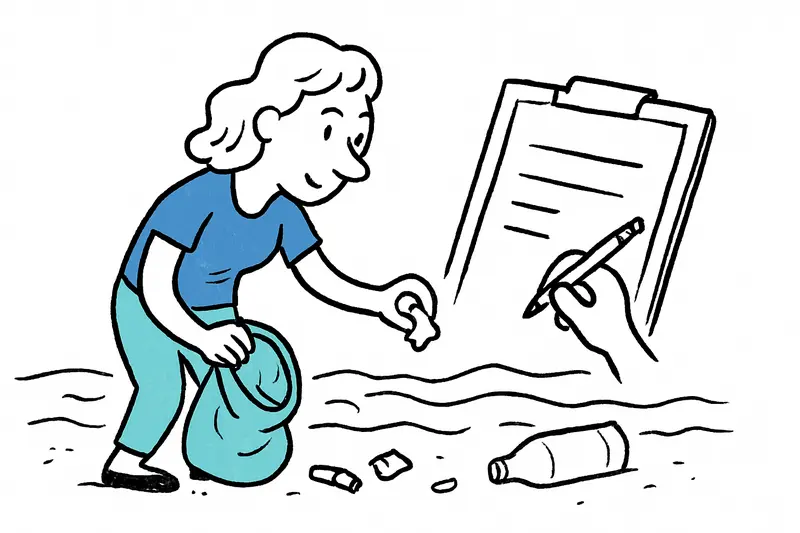
Mallorca researcher urges simple beach habit: take litter, provide data
Ananda Pascual from IMEDEA asks visitors to collect and record small pieces of litter during beach walks. On Mallorca, s...

New lift on the Passeig Marítim brings El Terreno closer to the seafront promenade
In Palma the city is building a lift between Calle Patrimoni and the Passeig Marítim at Parc de la Quarentena. The proje...
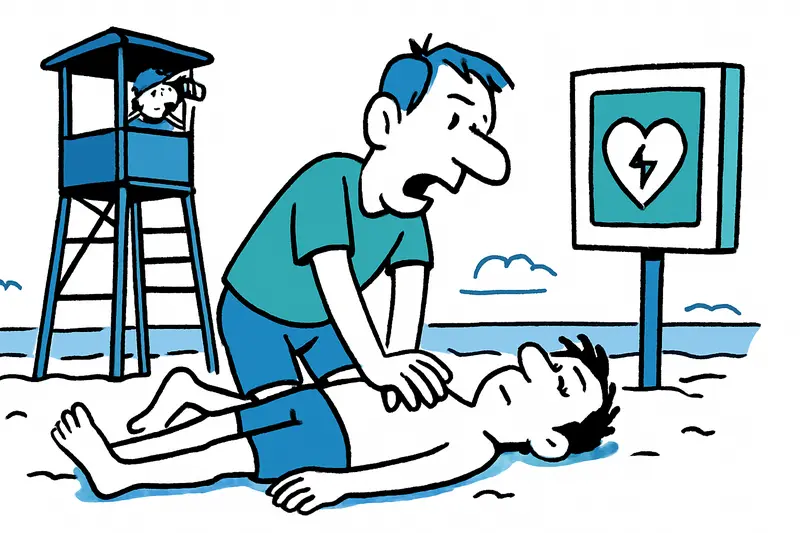
Drama at Cala Agulla: 45 Minutes of Resuscitation — What the Rescue Tells Us
On Wednesday afternoon lifeguards pulled an unconscious tourist out of Cala Agulla. Resuscitation lasted 45 minutes befo...
Gloomy Days in Majorca: Why the Next Low Pressure System Should Make Us Nervous
Thick clouds over Palma, storms at sea and red warnings for Valencia: AEMET forecasts showers at least until Monday. Wha...
More to explore
Discover more interesting content

Can Cap de Bou

Townhouse Lleo 72
