
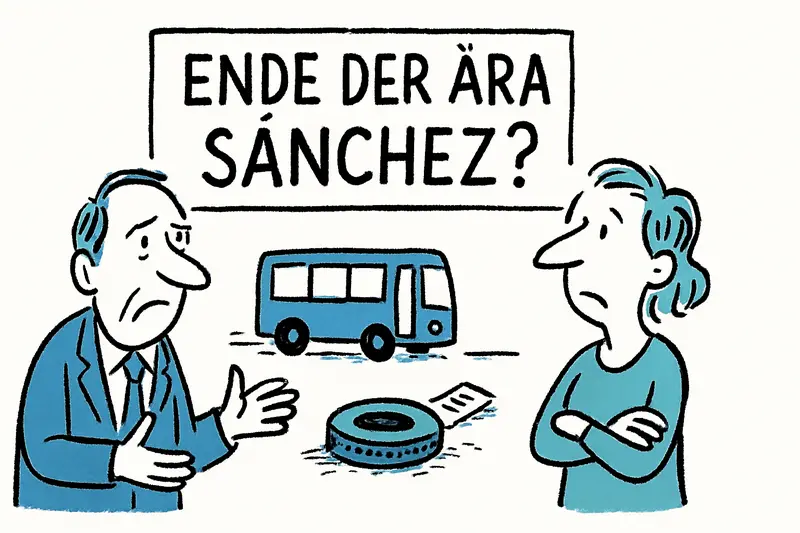
End of the Sánchez Era? A Reality Check from Mallorca
End of the Sánchez Era? A Reality Check from Mallorca
After the failure of two housing decrees, Spain's government stands at a crossroads. Protests are visible in Mallorca, but the debate about new elections reduces a complex crisis to poll forecasts. A sober view and concrete proposals from a local perspective.
End of the Sánchez Era? A Reality Check from Mallorca
Why a vote on snap elections does not automatically solve the problems
Key question: Should Pedro Sánchez call snap elections now—or is that a political calculation that further unsettles the island and the country?
Saturday morning in Palma: dogs bark, bus 1 huffs past the Plaça de Cort, and leaflets from a demonstration against the housing shortage pile up on a bench. The scenes are not new; they have become louder, reflected in Sky-high prices, tents, empty promises: Why Mallorca's housing crisis is no longer a marginal issue. In Madrid, two government decrees that were supposed to contain measures against the tense housing market recently failed. Apparently the necessary coalition work is lacking, and now the decision is up to Sánchez—confidants say he wanted to decide on the further course of action this weekend. For the island's residents, it feels like political roulette with real consequences.
The sober numbers in the background are clear: in polls the conservative PP is at around 33 percent, the socialist PSOE at about 26 percent, and the far-right party Vox at 18 percent. Smaller forces like Sumar and former protest parties are in the single digits. If current forecasts are converted into seats, a coalition of PP and Vox would be well over the threshold for a governing majority. For Sánchez and his partners, only a slim minority would remain.
Analysis: A premature ballot is not a neutral mechanism; it shifts political risks. Sánchez could make the housing shortage the core of his campaign message and try to convert mobilizable outrage into votes. That is a legitimate tactic. At the same time, the dynamic shows how fragile minority governments are when they depend on changing regional parties. The failure of the decrees was practical: it reveals not only substantive disagreements but also organizational weaknesses in vote management.
What is often missing in the public debate: concrete implementation perspectives. Too often it is only about slogans—tenant protection, longer contract terms, caps on rent increases—without explaining who will control enforcement, how violations will be sanctioned, and how measures will have different regional effects, as highlighted by Rent-price shock 2026: How Mallorca is heading toward a social crisis. In Mallorca, housing shortage means something different than in Madrid: here a massive holiday rental market mixes with a tight labor market for seasonal workers, partly precarious rental relationships and a steady influx of second-home owners. National decrees must take such regional differences into account or they remain smoke and mirrors.
A everyday scene from Palma: at the Plaça Major signs hang from young people who can hardly find affordable housing. A construction crane on Avenida Jaime III stands idle, but what is being built are luxury flats with holiday rental licenses, not available long-term housing for young couples, caregivers or teachers. This discrepancy explains the anger in the streets and the skepticism toward political announcements.
Concrete solutions that should be linked between Madrid and the island: first, more transparency and enforcement regarding holiday rental licenses—not just words, but well-staffed control offices in municipalities. Second, a regional fund for social housing financed by a dedicated levy on unused holiday apartments and second homes; such funds should flow directly to the municipalities that know where housing is lacking. Third, tax incentives for owners who bring flats permanently onto the rental market, coupled with controls and sanctions for abuse. Fourth, an expedited mediation office for rental disputes so that conflicts do not drag on for years in court.
Politically and strategically, the public discourse often lacks the question of compromiseability: how many regional votes are still worth it to Sánchez—and how much political capital is he willing to burn? The question of mobilization also remains underexposed: who will go to the polls when the issue mainly affects young people, precarious workers and tenants? Campaigns are decided not only by polling numbers; they are decided by mobilization and trust.
Another blind spot: the long-term connection between the tourism model and the housing market. Mallorca lives off tourism. But a market that relies heavily on short-term rentals reduces available housing for residents. Policy must be smarter here: directing visitors, managing seasonality, protecting long-term housing—these are levers that neither Madrid nor Palma alone can pull, as discussed in Balearic Islands in the Price Squeeze: Who Can Still Afford Mallorca?.
Concrete political proposals for the coming months, regardless of a decision on elections: prioritize coalition talks on concrete implementation steps instead of large legislative packages; increase municipal sanctioning instruments for unused flats; create a transparent register of all holiday apartments that municipalities can use; and launch an accelerated support program for cooperative housing that promotes local initiatives.
Pithy conclusion: Snap elections would polarize the situation and could generate short-term mobilization effects. They do not automatically solve the core problems in Mallorca. Those who truly want to change things here must start now to build administrative capacity, link regional funds, and enforce rules. A campaign is loud, but it is no substitute for hands-on politics on the ground.
At the end of the day, when the sea breeze blows over the Passeig des Born and the demonstrators disperse, what matters for people on the island is not which party is ahead. They count keys in the mailbox, the bills and the routes to work. Politics must be measured by these things.
Frequently asked questions
Would snap elections help Mallorca's housing crisis, or could they backfire?
Why is Mallorca's housing shortage different from Madrid's, and what does that mean for policy?
What concrete measures could Madrid and Mallorca take to address holiday rentals and long-term housing?
How would a regional social housing fund work in Mallorca?
What enforcement tools could Mallorca municipalities use to curb unused flats?
How would a transparent register of holiday apartments help Mallorca's housing market?
What is the link between Mallorca's tourism model and housing availability, and what policies could help long-term residents?
How important are mobilization and trust for implementing housing reforms in Mallorca?
Similar News
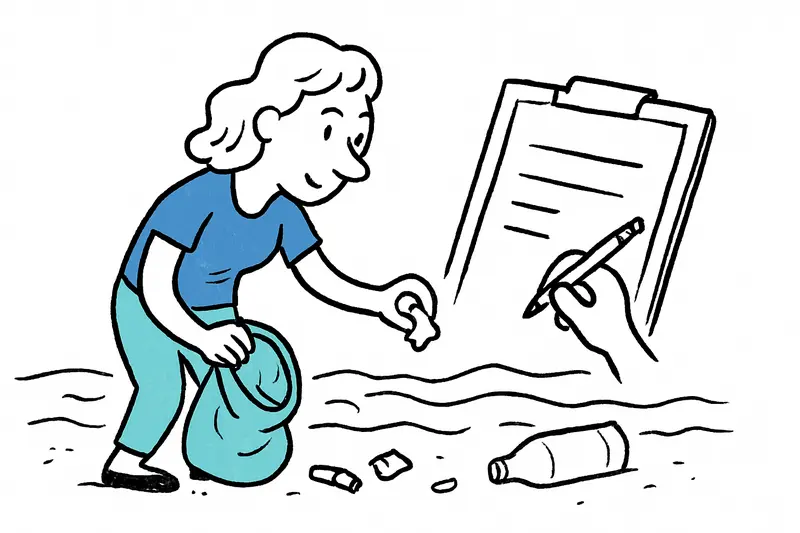
Mallorca researcher urges simple beach habit: take litter, provide data
Ananda Pascual from IMEDEA asks visitors to collect and record small pieces of litter during beach walks. On Mallorca, s...

New lift on the Passeig Marítim brings El Terreno closer to the seafront promenade
In Palma the city is building a lift between Calle Patrimoni and the Passeig Marítim at Parc de la Quarentena. The proje...

Drama at Cala Agulla: 45 Minutes of Resuscitation — What the Rescue Tells Us
On Wednesday afternoon lifeguards pulled an unconscious tourist out of Cala Agulla. Resuscitation lasted 45 minutes befo...
Gloomy Days in Majorca: Why the Next Low Pressure System Should Make Us Nervous
Thick clouds over Palma, storms at sea and red warnings for Valencia: AEMET forecasts showers at least until Monday. Wha...

Maribel: Five Decades of Service – Housekeeper from Peguera Celebrated with a Special Honor
Over 50 years in the hotel business: María Isabel “Maribel” Molinos was honored in Palma at the Nit del Turisme by Unive...
More to explore
Discover more interesting content

Can Cap de Bou

Townhouse Lleo 72
