

Weeze expands: New terminal makes travel to Mallorca easier
Weeze expands: New terminal makes travel to Mallorca easier
The Lower Rhine Airport in Weeze is expanding its capacity: a new arrivals building, separate Schengen/non‑Schengen areas and additional office space are intended to improve operations – good news for travelers to Mallorca.
Weeze expands: New terminal makes travel to Mallorca easier
More space, separate arrivals and new offices – completion scheduled for mid-2027
It isn't always the large hubs that make life easier for travelers. Sometimes a small airport with a clear plan helps: the Lower Rhine Airport in Weeze is getting a new arrivals building on an area of around 4,900 square meters. For people who regularly fly from Germany to our island, that's news they'd be happy to hear with a coffee on the plaza in Palma.
The construction includes a single-storey passenger hall of about 3,900 square meters, built by the construction company Goldbeck. Practically designed: inside, the arrival areas for Schengen and non‑Schengen passengers will be separated. There will also be spaces that authorities and control agencies can rent, a waiting hall for pick-ups, and an above-level office block of around 1,200 square meters for the central airport administration. Those technical details may sound dry, but they mean less crowding, clearer routes through customs and faster transfers from the plane to car or bus.
The symbolic groundbreaking was recently celebrated together with representatives from politics, business and the institutions working at the airport. Officials expect completion by mid-2027. For travelers this means: from the coming summer season pick-ups and arrivals could proceed more calmly and in a more structured way.
Why is this important for Mallorca? Many connections between Germany and our island are operated by airlines that use Weeze as their starting point. The airport reported an increase of 14 percent to around 2.2 million passengers in 2025 and expects further growth in 2026. More capacity and more modern infrastructure in Weeze mean more reliable connections: more seats, more dependable check-in and often more flexible flight times — which directly affects connections to Palma.
Anyone who often walks from Palma's harbor to the Plaça de Cort will notice it in small ways: fewer delayed return flights, more direct morning connections or a return ticket that can be planned more reliably. For families, commuters and holidaymakers who fly early in the morning or return late at night, a well-functioning handling process is worth its weight in gold. And the authority areas in the new terminal should help to organize checks more smoothly — a plus especially during peak times.
From the island's economic perspective such improvements are welcome: hoteliers, landlords and service providers benefit from more reliable flight connections and possible additional flights in the low season. More passengers do not automatically mean mass tourism; rather, stable connections enable better planning of transfer services, ferry links and seasonal staff.
A small personal note from here: when I stroll along the Passeig des Born on a mild August evening and watch the departure boards at the airport, I appreciate every connection that remains reliable. The new hall in Weeze is not a huge project like those at major airports, but it delivers exactly what many travelers value: functionality without excess, clear routes and short distances from the terminal to pick-up.
And what does that mean in practical terms for travelers? Booking tip: for connections via smaller airports it's worth checking departure and arrival times as well as possible rebooking options. If the new terminal in Weeze opens as scheduled in mid-2027, many connections should run more smoothly — especially in high season, when Palma is full of life and every flight should depart on time.
Conclusion: no pomp, just usefulness. The expansion in Weeze is a pragmatic investment in processes and capacity. For friends of Mallorca this means: more reliably plannable trips, greater comfort on arrival and an additional support for connections between the Lower Rhine and the island. That's news you'd happily pass on from a terrace with a glass of water and lemon.
Frequently asked questions
What is the weather like in Mallorca year-round?
What should I pack for a trip to Mallorca?
When is the best time to enjoy outdoor activities in Mallorca?
Are Mallorca’s beaches good for swimming and safe for families?
What are the best ways to get around Mallorca without renting a car?
Is Palma de Mallorca a good base for a short break?
What family-friendly activities are there in Mallorca?
Do I need to know Spanish to enjoy Mallorca?
Similar News
Boat accident at s'Estanyol: Why a rescue operation wasn't enough
A charter boat capsizes off the harbor of s'Estanyol, a 70-year-old man dies. A reality check: how procedures, rules and...
When Streets Turn into Bedrooms: Campervans and the Housing Shortage in the Orange Valley
More and more workers are trading rented apartments for motorhomes. In the Sóller valley the conflict between residents,...
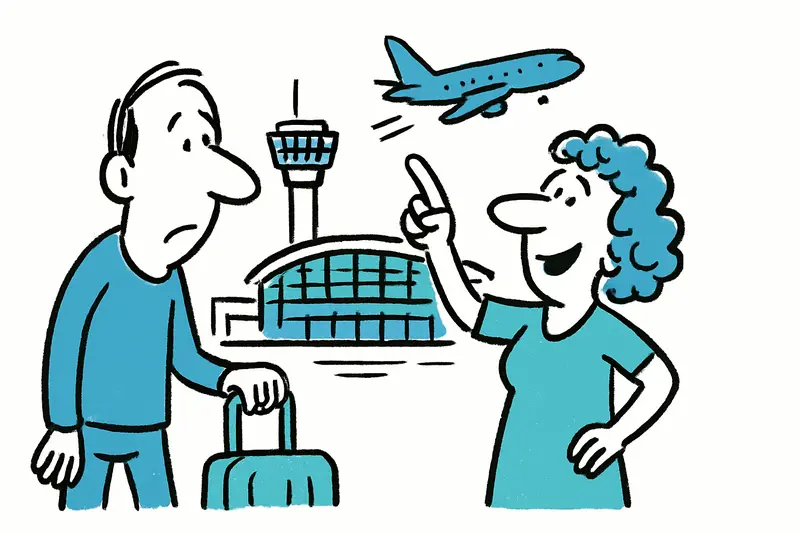
Weeze is getting bigger – a good sign for Mallorca travelers
The small Lower Rhine airport in Weeze is getting a new arrivals terminal of around 4,900 m². More space, separate arriv...

Of Bridges and Souls: Montiel and Estelrich Bring Songs to Castell de Bellver
On August 25 Maria José Montiel and Miquel Estelrich perform at Castell de Bellver — an evening of songs from Spain, Fra...

When the Goat Wants the Chips: Beach Visit in Cala Sant Vicenç and a Bigger Problem
A wild goat strolls along the beach of Cala Sant Vicenç between coolers and beach bags and steals a bag of chips. The sc...
More to explore
Discover more interesting content

Boat Tour with BBQ along Es Trenc Beach
Private transfer from Mallorca Airport (PMI) to Pollensa
