
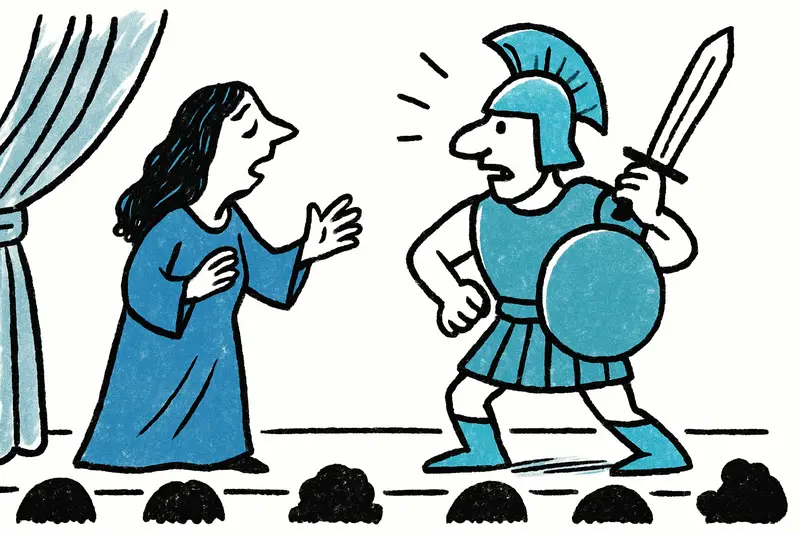
When Legend Meets Stage: 'Nuredduna' Enchants Can Gats
In the small hall of Can Gats the island legend “Nuredduna” was reborn: folksy sounds, contemporary arrangements and a stage adaptation that links neighborhood life with the evening air.
An evening when the neighbours bring the play
The lanterns in Llucmajor threw a warm yellow light, the sea was a distant breath, and the air carried the scent of ripe oranges – so began the evening in the small hall of Can Gats. The murmur before the show sounded like a neighbourhood prelude: a jacket rustling, a quick rebuke to the late bus driver, laughter about the statue on the town beach. Then the lights dimmed, and Nuredduna began.
From the first bars it became clear why this project works: Magí Garcías did not want to put the music in a museum. He mixes folkloric motifs with modern arrangements so that a melody can sound like a conversation beneath olive trees and the next moment strike like surf against a rocky edge. That keeps the legend fresh without severing its roots.
Powerful voices, intimate closeness
In the title role Pamina Lenn convinced with a voice that was at once vulnerable and resolute. There was no showiness, but a presence that came from within and made the characters feel human. Tim Al-Windawe portrayed the warrior with a warm, rough timbre – steady, like wood that has long held the sun. The two on stage found a delicate yet genuine balance; there was no grandiose pathos, but a careful coming together that reached the audience.
The direction and the German translation did the rest: old verses stayed understandable and alive, and no one felt like they were visiting an archive. At the right moments the auditorium laughed, at others it held its breath. The final applause was long and sincere – not routine clapping, but gratitude for the island story having been retold.
Why this means more to Mallorca than just an evening
The small theatre experience in Llucmajor shows something essential: culture on the island lives through closeness. When tradition is not presented as a dusty relic but prepared in a way that young people, retirees and the neighbour with the shopping bag can relate to, community emerges. Evenings like this keep the cultural infrastructure stable – far more than a one-off event for tourists. One example is the Nuredduna Fountain, which has divided the neighbourhood in Pere Garau.
And it is an invitation to the island community: come together, listen to a story, then discuss the statue on the beach, the musician, or the melody that won’t leave your head. Theatre here becomes a social hub, a place where everyday life and legend meet – accompanied by the distant honk of a bus and the clink of an espresso cup on the plaza.
The root of the tale remains palpable
The starting point is an epic island tale, with themes such as rescue, loss and a forgotten lyre that functions as a symbol. Yet the ensemble has retuned the phrases: the poetry remains, and the tones carry the story into the present. This shows that old tales need not be rigid but can be joined with new sounds and perspectives. Such interplay also takes place in Sineu, when Much and Muca enchant the village.
After the curtain I stood on the plaza, had a quick espresso and overheard two young people speculating whether the Nuredduna statue really walks along the beach at night. Images like that stay with you. Theatre in a small town lives on these little everyday scenes – the rustle of a jacket, the soft murmur, the shared laugh.
Tip: If you come to Llucmajor: allow some time before the performance. An espresso on the plaza, a chat with the neighbour, and you might still catch the last bus. The performance itself is a warm, small gift to the island community – and to everyone curious about stories that continue to live on. The audience can also take part in Tapas evenings in Sa Cabaneta and familiarise themselves with local traditions.
Frequently asked questions
What is the Nuredduna performance in Mallorca about?
Is Nuredduna in Mallorca suitable if you do not know the local legend?
What kind of music does Nuredduna use in Mallorca?
What is it like to see a performance at Can Gats in Llucmajor?
Why does Nuredduna matter for local culture in Mallorca?
What is the best time to arrive for a show in Llucmajor, Mallorca?
Can you use public transport after an evening event in Llucmajor?
What makes small-town theatre in Mallorca different from larger venues?
Similar News
Palma: Car Flips Over – Seniors Rescued, Questions About Traffic Safety
On a major arterial road in Palma, a car flipped onto its roof after a heavy collision. An elderly couple was freed and ...
Calvià opts for style over rowdiness – a plan for year-round, diversified tourism
Calvià wants to shake off Ballermann images by 2030 and boost hiking, sports, culture and gastronomy tourism. Hotels, th...
Autumn Is Coming — When the Rain System Will Cool Mallorca and What We Must Learn
AEMET warns: the chance of rain increases on Thursday and Friday — temperatures will fall. An opportunity to prepare our...

Eurowings in Palma: Expansion, Approval Chaos and the Reality Test for Island Planning
Eurowings is significantly increasing its presence in Palma and is even considering technical maintenance on site. The i...

A.M.Y.: Between Finca, Cornfield and Schoolyard – a 13-Year-Old Who Gets Mallorca Humming
With sunglasses, a rock guitar and the courage to sing over nagging voices: Amy Horber, 13, lives with her family on Mal...
More to explore
Discover more interesting content

Can Cap de Bou

Townhouse Lleo 72
