
Who Really Saves at the Pump? A Reality Check on the Tax Cut in Mallorca
Who Really Saves at the Pump? A Reality Check on the Tax Cut in Mallorca
VAT down, pumps full: How big are the savings for Mallorcan drivers, who benefits — and what remains hidden from the discussion?
Who Really Saves at the Pump? A Reality Check on the Tax Cut in Mallorca
Key question: Does the tax cut at the pump fully reach the people of Mallorca — or do intermediaries and short-term demand take advantage of the situation?
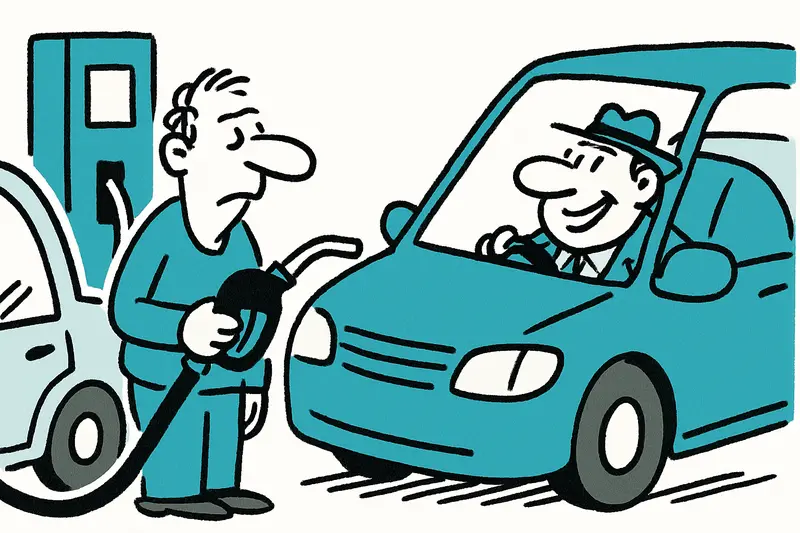
On a cool morning on Passeig Mallorca you can hear it: the soft hum of engines, the giggles of tourists carrying coffee cups through the streets, and a line of cars in front of the small Repsol station at the entrance to Santa Catalina. Since 22 March, Spain has applied a reduced VAT of 10 percent on fuels (instead of 21 percent) and excise duties have been lowered to the minimum allowed by the EU. On Mallorca many stations experienced a noticeable rush in the days after — drivers had waited to refuel and wanted to benefit from the measure.
The concrete figures currently circulating: a full tank of Super 95 costs, according to many consumers, about ten euros less now, diesel around 8.60 euros. Elsewhere prices had previously risen due to crude oil costs — Brent at times above 100 dollars per barrel — by about 15–20 cents per liter for petrol and 25–40 cents for diesel. The tax reduction has made the decline much more visible.
Critical analysis
The tax cut is a quick fiscal intervention. But the crucial question is whether the benefit reaches the pump. Three points are central: first, price transparency. Many customers only see the per-liter price, not the breakdown of crude oil, taxes, and retailer margin. Without a clear itemization, it is impossible to say definitively what share of the tax cut is passed on to end consumers. Second, temporality: a reduction that applies only for a few weeks eases inflation in the short term but does not change the underlying market forces, especially if oil prices continue to fluctuate. Third, distribution: who benefits more — commuters with high monthly mileage, occasional drivers, or holidaymakers with rental cars?
On the Balearic Islands station associations reported increased customer numbers. That is to be expected: announced measures generate anticipation effects. It becomes problematic if this upswing means consumers do not change their driving habits and instead miss an opportunity to switch to public transport, for example.
What is missing in the public debate
The public discussion focuses heavily on euro amounts per tank, but rarely on three other aspects: 1) retailer and refinery margins: to what extent were intermediaries able to use the tax drop to raise their own margins slightly? 2) permanent revenue losses: what are the consequences for municipal and regional coffers — and how will this affect transport investments or social assistance, as discussed in Why the eco-tax debate in Mallorca is flaring up again — and what is really missing? 3) climate policy: lower fuel prices can slow the shift to buses, trains, or electric mobility. These longer-term effects are often absent from the headlines.
Everyday scene
A bus driver I met at Plaça d'Espanya shook his head: 'People like to fill up now, but they are rarely on the bus.' At the Olivar market I heard a vendor say she saves a few euros at the end of the month thanks to the lower tax — but she is not considering using the car less. These small moments show: the short-term savings are tangible, behavior change is not automatic.
Concrete solutions
1. More price transparency at the pump: mandatory information that shows the tax share and retailer margin. 2. Link time-limited measures to targeted social groups: fuel vouchers for low-income people or commuter programs instead of blanket cuts. 3. Compensate revenue shortfalls for local investments — for example through earmarked funds for public transport and charging infrastructure. 4. Combine short-term relief with long-term climate policy: offer incentives for electric charging or funding for municipal carsharing. 5. Transparency controls: the consumer protection authority should monitor price developments and pass-through and report publicly, as echoed in Eco-tax in Mallorca: Extra Costs, Frustration — and What Is Truly Missing.
Conclusion: The VAT and excise tax reductions delivered immediate savings and brought business to the pumps. They are an effective short-term valve against sudden price shocks, as seen in Cheaper Gas Bottles in Mallorca: Short-term Relief — But Is It Enough?. However, they are no substitute for strategic investments in the transport transition and social compensation mechanisms. Without more transparency and targeted compensation, the short-term effect risks fading — and the public debate will only see half the picture.
Frequently asked questions
Are fuel prices in Mallorca really lower after the tax cut?
Who benefits most from cheaper fuel in Mallorca?
How much does a full tank cost less in Mallorca now?
Why do fuel prices in Mallorca not always fall by the full tax cut?
Is this a temporary fuel price relief in Mallorca?
Does cheaper fuel in Mallorca change how people drive?
What should drivers in Mallorca know before filling up during a tax cut?
Does a fuel tax cut in Mallorca affect public transport and climate policy?
Similar News

Nipping Sea Creatures: Why Bathers in Cala Major and Elsewhere Should Be Cautious
In Cala Major, bathers have reported being nipped by small fish. What is behind it, how can problems be avoided — and wh...
Forced eviction in Santa Catalina: When a 65-year-old slept in her car and showered on the beach — a question of responsibility
The story of Pilar López from Santa Catalina represents a problem affecting many Mallorcans: How can an island with a bo...
New traffic rules from October 1: What Mallorca visitors and locals need to know
From October 1, 2026, Spain will implement far-reaching changes to traffic regulations. Important for Mallorca: greater ...

More water than last year: Mallorca's reservoirs breathe easier
September rain refilled the Tramuntana's reserves: overall fill around 35 percent, Cúber at 40.42 percent, Gorg Blau at ...

Three Luxury Hotels in Banyalbufar: Lots of Money, Many Questions
A Danish investor plans three exclusive accommodations in Banyalbufar — including the historic Son Valentí. The announce...
More to explore
Discover more interesting content

Can Cap de Bou

Townhouse Lleo 72
