
Wood before the windows: Why Palma's shopkeepers are now on alert
Wood before the windows: Why Palma's shopkeepers are now on alert
Business owners in Palma are boarding up shop windows and considering early closing. Key question: Is that enough, or is there a missing plan for prevention, communication and protection of small businesses?
Wood before the windows: Why Palma's shopkeepers are now on alert
Key question: Is boarding up the shop windows enough, or does Palma now need a different strategy against potential unrest?
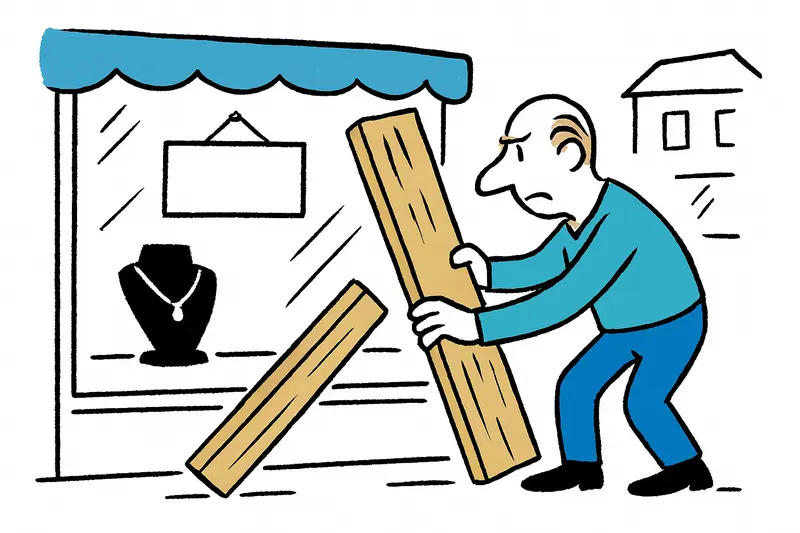
Late on Thursday afternoon a hammer taps against freshly cut wooden boards on the Carrer de Sant Miquel. In front of a jewellery shop an employee quickly pushes the last display pieces into storage, further down a delivery van rolls by, the bakery smells of warm bread. The scene seems normal — and at the same time tense. Merchants in Palma are preparing: wooden panels are being cut to measure, shelves pushed back into storage rooms, some planning to close their doors before 6 pm, echoing concerns in Dark Shop Windows at 7 PM: Relief for Palma's Boutiques — or a Blow to the Evening?.
The official name of the movement behind the calls is 'Blocus'. Authorities speak of fast-growing online groups that gained hundreds of supporters within days. In some channels threats circulated; in others users called for calm. The uncertainty is wide: nobody knows reliably whether this is a loose local initiative, automated accounts or externally directed actions. That is precisely the problem.
From the perspective of many business owners the reaction so far is simple and immediate protection: wood before glass. Brand outlets and department stores secure large display windows, some remove expensive goods from windows, others increase security — a reaction also seen after recent burglaries reported in Eight Break-ins in One Week: Arrest in Palma — and What's Still Missing. The regional trade association Afedeco advises early closing and has demanded a stronger police presence. That sounds reasonable — but is it sufficient?
Critical analysis: wood is not a strategy. Planks protect windows, but not streets, residents or employees. Early closing shifts risk to the early evening hours and hits especially small businesses whose revenues are already slim, as reported in When the Shop Windows Fall Silent: Small Shops in Mallorca Feel the Pressure in Summer 2025. If authorities only rely on sealing off and not on clear communication, rumours and unrest remain the real drivers.
What is missing in the public debate: first, transparency about planned police coordination. It is said that units are prepared and various forces are coordinating. But details are deliberately withheld for security reasons — understandable, but hard for shop owners to use without a reliable point of contact. Second, there is a lack of a short-term financial safety net for small retailers who suffer losses from early closures. Third, hardly anyone talks about countermeasures against online disinformation: if bots, new channels and TikTok profiles are clearly stirring up sentiment, rapid fact-checking and local warnings are needed.
An everyday scene from Palma: Avinguda de Jaume III illustrates the dilemma. While the corner café plays soft music and guests still share biscuits, dockworkers from afar see the wooden boards on the boutique opposite and whisper. Passers-by photograph, share in stories, and suddenly a rumour about an alleged looting is enough for three suppliers to change their routes. The city thus becomes a little smaller every day because uncertainty shapes behaviour; this dynamic ties into longer-term trends, such as office-to-apartment conversions discussed in When Offices Go to Sleep: Palma's Plan to Revive the Old Town.
Concrete approaches: 1) A visible but flexible coordination: a city administration telephone hotline for shop owners with real-time information on streets, police presence and permitted opening hours. 2) Pool local security services: instead of individual shops hiring private guards, short-term cluster contracts via trade associations; coordinated patrols reduce overreactions. 3) Emergency funds for revenue losses: a short-term support program so small retailers do not bear the burden of early closures alone. 4) Media-literacy task force: rapid verifiers who flag misinformation on social media and distribute reliable counter-information. 5) Preventive social measures: talks with youth initiatives, connecting contacts for housing and education issues, so that the growing anger is not met only with policing.
Legal and practical: authorities should do two things. They must communicate operational plans transparently enough that shopkeepers can base their decisions on facts rather than rumours. And they must clarify which rights business owners and employees have in unsettled protest situations — for example, rules on temporary business closures or compensation for property damage.
Blunt conclusion: wooden boards are a symbol — the protective canopy of a fragile normality. They stop shards and broken glass, not the causes of dissatisfaction or the dynamics of digital mobilisation. Those who want to protect Palma sustainably need both: short-term on-site security and medium-term strategies against uncertainty and social imbalances. Otherwise much wood will remain on facades and little will have changed about the problem.
Frequently asked questions
What does "wood before glass" mean for Palma shopkeepers, and is it enough to keep unrest at bay?
What is Blocus and why is it causing concern for Palma merchants?
What practical steps can Palma shops take beyond boarding up to respond to unrest?
What kind of official support is proposed to help small retailers during unrest in Mallorca?
How does online misinformation affect Palma streets and what countermeasures exist?
What real-time information channels should Palma shopkeepers rely on?
Why is clear communication from authorities crucial for Palma during protests?
Are there long-term strategies for Palma beyond boarding up to address unrest?
Similar News

Iris Berben opens anniversary festival: Cinema as a meeting place in Palma
For the 15th time the film scene meets in Palma: At the gala in the Congress Palace Iris Berben and cinematographer Matt...
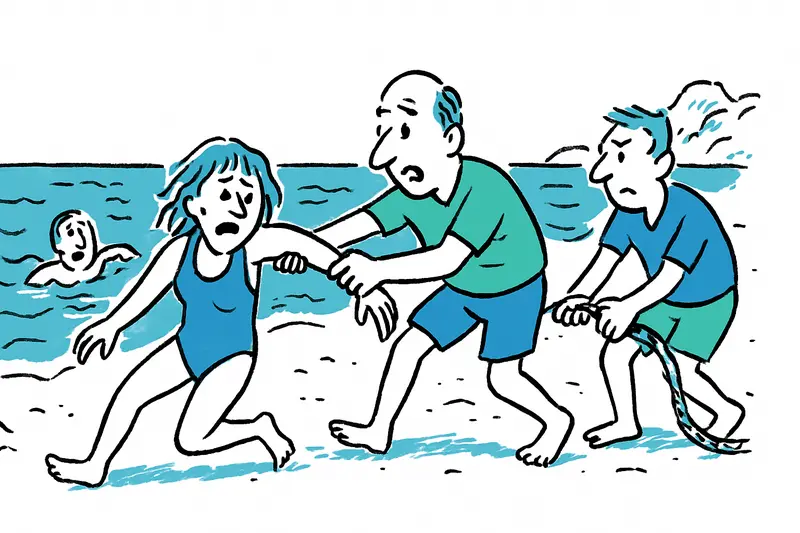
Last day of holiday: 69-year-old dies during rescue attempt on Menorca's north coast
A British holidaymaker drowned at Cavalleria while trying to pull her ten-year-old granddaughter out of the sea. The inc...
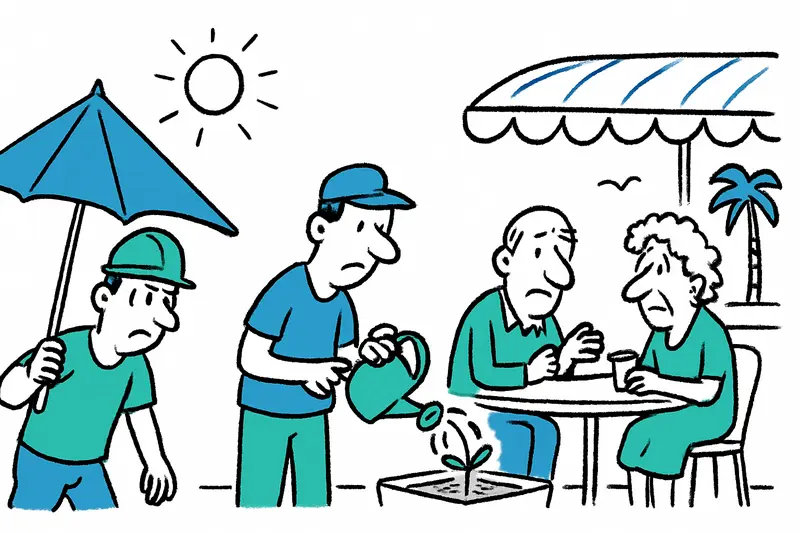
Water scarcity, heat, shrinking beaches: Palma's wake-up call for urban planning
A new study sketches bleak scenarios for Palma: less rainfall, more hot days, rising sea levels and massive economic los...
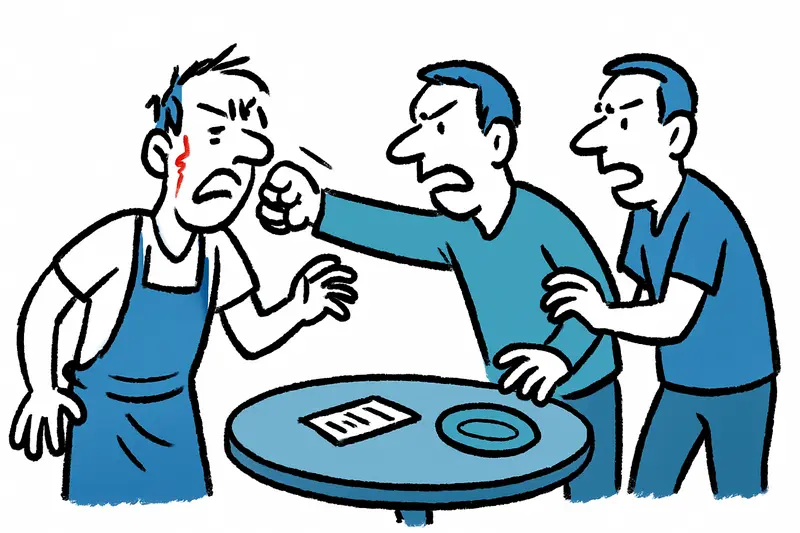
Assault in Ciutadella: When a Restaurant Bill Turns Into Violence — What's Missing Now
Two British tourists are alleged to have seriously injured a waiter in Ciutadella. Passports confiscated, travel banned....
Hot Rhythms: Trio Corrente opens the Jazz Voyeur Festival in Palma
The Trio Corrente from São Paulo brings Brazilian rhythms to Palma's Music Conservatory on October 29. An evening for ja...
More to explore
Discover more interesting content

Can Cap de Bou

Townhouse Lleo 72
