
Last day of holiday: 69-year-old dies during rescue attempt on Menorca's north coast
Last day of holiday: 69-year-old dies during rescue attempt on Menorca's north coast
A British holidaymaker drowned at Cavalleria while trying to pull her ten-year-old granddaughter out of the sea. The incident raises questions about current warnings and rescue infrastructure.
Key question: Why does a simple beach day end in tragedy — and what is missing in prevention?
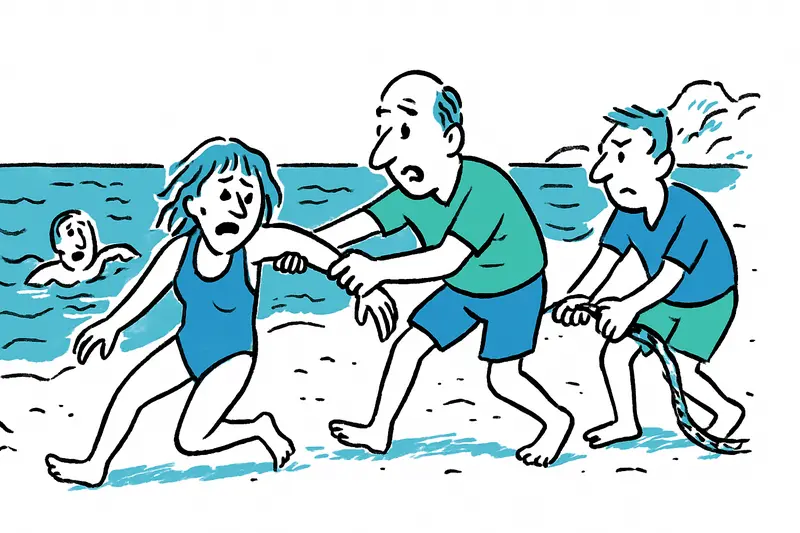
On Wednesday around midday a family outing on Menorca's north coast changed in an instant: a 69-year-old British holidaymaker drowned after trying to rescue her ten-year-old granddaughter from the water. The family had one day left before departure. The woman had been brought to the beach by her husband at about 13:00, was injured in the process and could not be saved despite the rapid response from the fire brigade, the Red Cross, the local police, the Guardia Civil and medical staff. An autopsy was planned.
The facts are stark: a small inflatable dinghy capsized, a north wind with gusts up to 45 km/h drove the current and pushed people toward the rocks. The grandfather suffered abrasions, other bathers helped, ropes were cut to get mother and child ashore. A rescue boat from Fornells and units from Ciutadella rushed to the scene, a helicopter was alerted but was no longer required.
Critical analysis
Such accidents occur at the intersection of weather, infrastructure and human behaviour. Strong, gusty north winds can turn a calm sea into a dangerous place within minutes, especially in rocky coves. Children with small inflatables are extremely vulnerable when wind and current combine. At the same time, there are critical minutes until professional teams arrive on scene; in that time simple actions determine life or death, as shown by Near-drowning in Cala Vinyes: Rescue raises questions about beach safety.
On Menorca, as on Mallorca, where incidents such as Tragedy at Son Bauló: 67-year-old dies after rescue attempt have occurred, rescue services are often distributed unevenly: busy beaches have permanently staffed lifeguard stations, while smaller coves outside the season frequently do not. Warning systems in multiple languages, clear flag rules, and visible instructions from boat renters about age and size requirements for flotation devices — all of this is occasionally missing where tourists spontaneously go out on the water.
What is too often missing in public debate
Debate usually focuses on individual fates rather than structural gaps: how well are tourists informed about seasonal wind patterns? Are renters of inflatable toys and boats sufficiently regulated or instructed? How quickly are rescue boats really deployable and how well marked are access routes to rocky coves? Such questions often remain unasked because after a dramatic event — as in Can Picafort: Death on the Beach – Was There Enough Protection Against Water Hazards? — the focus is on mourning and individual investigations.
A commonplace scene from the islands
Imagine the scene: the wind whistles around the cliffs of Cavalleria, the smell of sea and wet seaweed fills the air, only a few parasols on the beach, the surf grows louder, a dog barks in the distance. People hurriedly pull a hawser free, three people brace against the sea, a man with bloody scratches runs barefoot across warm sand carrying his wife to shore. Images like that stick with you and show how quickly everyday life can tip into catastrophe.
Concrete solutions
• Flag and warning systems at every cove, translated into several languages, with clear notices about boat use and wind conditions.
• For boat rentals: mandatory lifejackets for children and clear briefing on hire; lifesaving equipment must be available on land.
• Expand rescue services on exposed coastlines: fast boat units and constant radio readiness in wind-prone zones.
• Training for holiday rental hosts and villa managers: a short briefing for arriving families on local risks and emergency numbers (061, Guardia Civil and local emergency lines).
• Public awareness campaigns in high-season languages: short videos and notices at airports, ports and car rental offices about current risks and safe water activities for children.
• Volunteer programs: local rescue helpers from the community who can be present and assist during critical months.
Why this helps
These measures would not prevent every accident — wind and sea remain unpredictable — but they would reduce risk situations, speed up first aid on site and increase the likelihood that families act in an informed way. Especially important: simple rules for children on the water, because they are the most vulnerable link.
Key takeaway: The tragedy on Menorca is a warning to speak not only about individual fates but to change structures: better information, mandatory protective measures for boat rentals and a stronger, more targeted presence of rescue forces where wind and rocks meet. For the people who thought they would have one calm day on a beach on the north coast, help arrived too late. That must not happen again.
Frequently asked questions
What should families know about wind and sea safety on Mallorca beaches?
What safety gear should families bring to a Mallorca beach day?
When is the best time to visit Mallorca beaches to avoid hazardous conditions?
How quickly do rescue services operate on Mallorca’s coast and what can help on-site first aid?
What risk factors contribute to accidents on Menorca's north coast?
Why is Cavalleria on Menorca considered hazardous for a family day at the beach?
What happened during the rescue near Fornells and what does it say about response times?
Are Mallorca’s coasts facing similar safety concerns, and what steps are being discussed to prevent tragedies?
Similar News

Wood before the windows: Why Palma's shopkeepers are now on alert
Business owners in Palma are boarding up shop windows and considering early closing. Key question: Is that enough, or is...

Iris Berben opens anniversary festival: Cinema as a meeting place in Palma
For the 15th time the film scene meets in Palma: At the gala in the Congress Palace Iris Berben and cinematographer Matt...
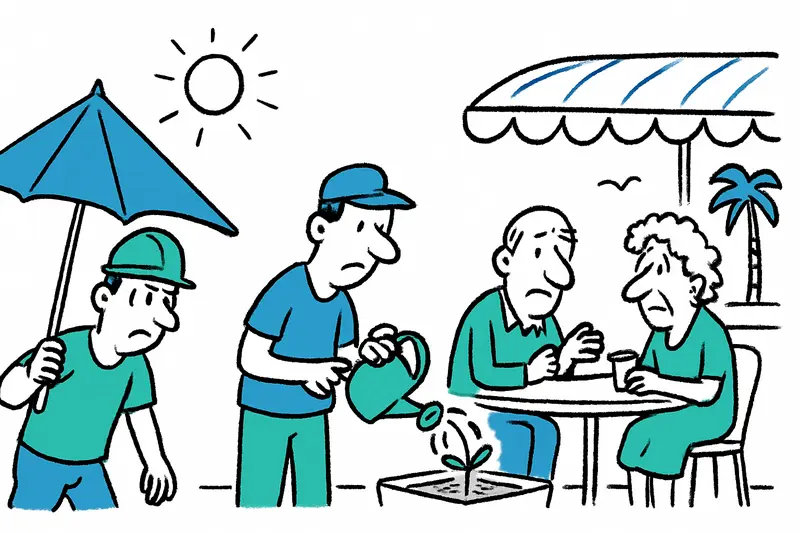
Water scarcity, heat, shrinking beaches: Palma's wake-up call for urban planning
A new study sketches bleak scenarios for Palma: less rainfall, more hot days, rising sea levels and massive economic los...

Assault in Ciutadella: When a Restaurant Bill Turns Into Violence — What's Missing Now
Two British tourists are alleged to have seriously injured a waiter in Ciutadella. Passports confiscated, travel banned....
Hot Rhythms: Trio Corrente opens the Jazz Voyeur Festival in Palma
The Trio Corrente from São Paulo brings Brazilian rhythms to Palma's Music Conservatory on October 29. An evening for ja...
More to explore
Discover more interesting content

Can Cap de Bou

Townhouse Lleo 72
