
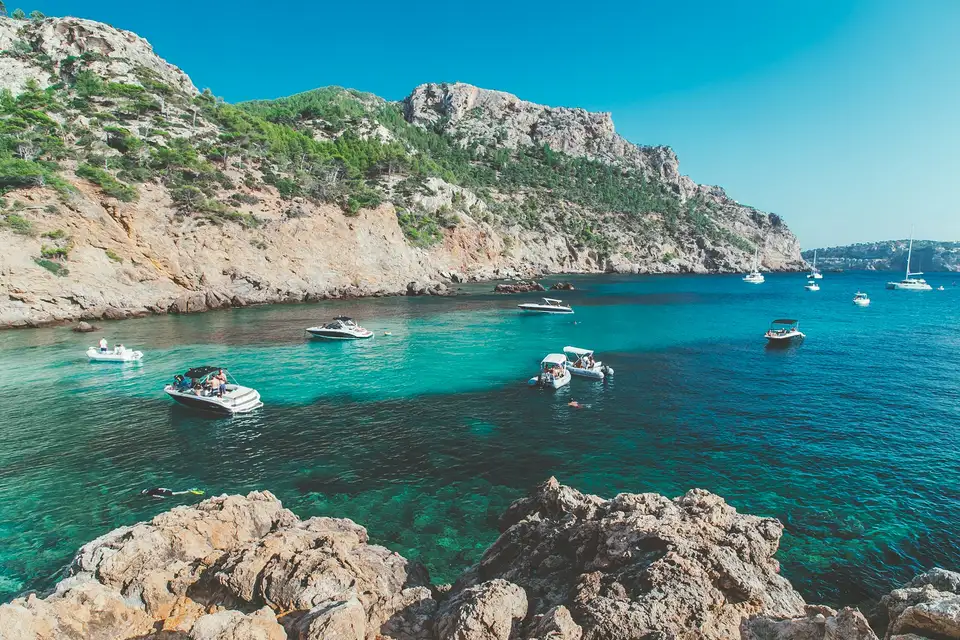
10 percent surcharge on the beach: How legal and transparent is the extra charge at Playa de Muro?
A German part-time resident noticed days after a restaurant visit in Playa de Muro that the bill included a flat ten percent service surcharge. Was that lawful — and why do guests often only spot such items once they're home?
10 percent surcharge on the beach: How legal and transparent is the extra charge at Playa de Muro?
Key question: Are establishments at prominent beach spots in Mallorca allowed to simply add ten percent on top — and who protects guests from hidden items on the receipt?
What happened
Last Friday evening a long-time part-time resident from Artà sat down at the beachfront restaurant "NU" on Playa de Muro, enjoyed the sea breeze and ordered to the soundtrack of the waves: a Caesar salad, a Greek salad, a sourdough roll, water and an espresso. At first everything seemed normal; only later did he notice that a ten percent service surcharge had suddenly appeared on the bill. The guest's feeling was: 'quiet and sneaky'. The prices were already high (Caesar €32, Greek €30, roll €7, 0.5 l water €5.50, espresso €3.90), and the surcharge made the total noticeably bigger.
Critical analysis
Legally the matter is more complicated, but in practice it's clear: in Spain service is usually included in the price. Some places still try to present surcharges as a "terrace fee" or service charge. What matters is whether the guest was clearly and visibly informed BEFORE ordering. A note buried deep in an online menu or at the end of a QR menu, which many at the beach do not read, is not sufficient to create transparency. If there is no printed menu on the table, no sign at the entrance and the staff do not actively point out an optional surcharge, it is easy to get the impression that it is a normal line item on the bill — not an optional addition.
What is missing from the public debate
The debate often stays on the surface: guests complain about prices, restaurateurs point to operating costs or DJ fees, and controversies over luxury sunbeds keep the issue in the headlines, as with Is the beach being privatized? €210 sunbeds at Formentor cause controversy. What is missing is a clear discussion about two points: first, binding rules on how and where surcharges must be made visible (signage at the entrance, direct announcement when seating guests, clear mention next to each relevant price), and second, checks by the competent consumer protection authorities. Mallorca's promenades should not be testing grounds for opaque billing practices, as shown in Price shock at Playa de Palma: Who pays for the beach?, and public authorities need to step up.
Everyday scene at the playa
Picture the scene: Friday evening, a gentle swell, seagulls, a DJ playing soft house somewhere, young couples laughing at the next table. The waiters wear shorts, the QR code on the table flashes in the light. Many guests just want to sit, order spontaneously and do not read every footnote in a digital menu. Coverage such as When the Beach Stays Empty: How Mallorca's Sunbed Renters and Chiringuitos Are Fighting to Survive highlights how these habits coincide with lower beach-bar revenues. In exactly this situation a small poorly communicated surcharge can seem like an oversight — for guests it often feels more like a trick.
Concrete solutions
For guests: ask on site before ordering. If the QR code is the only menu, request a printed version or a short verbal explanation of the price structure. Keep the bill and photograph the menu — evidence helps when filing a complaint.
For restaurateurs: transparency pays off. Clear notices at the entrance, a prominent line on the menu (not just in the fine print), and a short announcement by staff when seating guests reduce misunderstandings. If a surcharge truly benefits the team, state it clearly on the menu: '10% service addition (voluntary) — goes to the team'.
For authorities and municipalities: uniform rules for beach venues, random checks by consumer protection offices and clear information campaigns for tourist areas would build trust. Simple rules that take into account the limited attention span at the beach are more useful than subsequent legal disputes.
Conclusion
The incident at Playa de Muro is not an isolated case but a symptom: on Mallorca beach holiday mentality collides with business practices that are not always transparent. Guests should remain cautious and keep their eyes open; venues should communicate clearly what is added to the price. Otherwise, besides the sound of the waves, only the bitter aftertaste of a surprisingly high bill will remain.
Frequently asked questions
Is a 10% service surcharge on Mallorca beaches legal and transparent?
How should surcharges be shown to Mallorca beach guests?
What should I do if I encounter a surcharge at Playa de Muro?
What transparency practices should Mallorca beach restaurants adopt?
Are there official rules or checks about surcharges at Mallorca beach venues?
How can I avoid price surprises on Mallorca’s beaches?
When is the best time to visit Mallorca for beach days?
Do QR code menus meet transparency needs for charges on Mallorca beaches?
Similar News
Body near the Llevant Market: What this death says about our city
A man was found dead on Sunday afternoon near the Llevant Market. Police say the death appears natural. The scene raises...
Celebrities, One-Point Drama and a Summer Evening in Santa Ponça: Padel Celebrates in Mallorca
Around 400 players, a radical format — and well-known faces on the courts of the Mallorca Country Club: the One Point Ch...
Who stays, who goes? A reality check on the future of Mallorcans
An emeritus island geographer sees Mallorcans on the defensive: What does this mean for everyday life, housing and the i...
Acquittal after secret photos in Cala Millor – what the court ruling leaves out
A German tourist photographed a three-year-old girl at a hotel breakfast — the judge acquitted him because no sexual int...
Man Exposes Himself in Front of Café in Palma: Why This Must Not Be Dismissed as an Isolated Case
A man was arrested in Palma after he lowered his trousers in front of a café and exposed himself to minors. What does th...
More to explore
Discover more interesting content

Can Cap de Bou

Townhouse Lleo 72
