

105,000 Euros Lost: How an Alleged Multi‑Million Inheritance in Palma Became a Trap
105,000 Euros Lost: How an Alleged Multi‑Million Inheritance in Palma Became a Trap
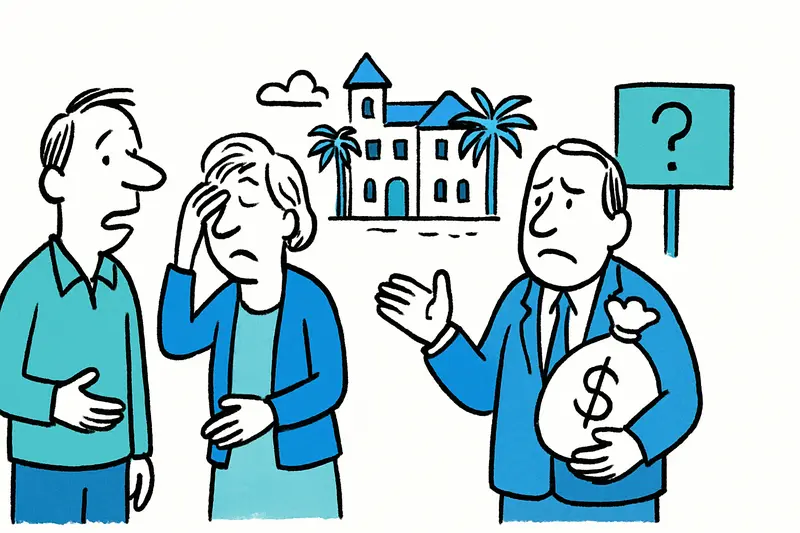
Two defendants were convicted in Palma after a man transferred around €105,082 to pursue an alleged €20‑million inheritance including properties in Dubai and a London penthouse. Why these schemes work and what sensible protections would look like.
105,000 Euros Lost: How an Alleged Multi‑Million Inheritance in Palma Became a Trap
Palma on Trial: The Major Real Estate Fraud and the Question of Justice that at first glance looks like a classic internet scam: two defendants were convicted after a man transferred a total of €105,082 to them. According to the judgment, the lure was the claim that a distant relative had left him a fortune of more than €20 million, including real estate in Dubai and a penthouse in London, plus a reference to a safe deposit box with unexplained contents. The email that started it all is dated 13 February 2019; the defendants used bank accounts opened specifically to receive the payments. The trial concluded with prison sentences of just over one year and one and a half years respectively and the requirement to repay the sum obtained.
Key Question
How can it happen that an adult seriously trusts an alleged inheritance and transfers six‑figure sums — and which gaps in our system allow such cases to repeat?
Critical Analysis
The case reveals several fractures: first, the continuing effectiveness of inheritance and windfall scams, even though their patterns have been known for years. Second, the role of financial channels exploited by criminals; and third, the practice of prosecution and the judiciary, which ultimately result in comparatively short prison terms and the demand to repay the stolen amount. That the defendants opened accounts specifically for the fraud is no surprise; banks do not always detect such structures in time, especially since many transfers from different sources in a short period can still be technically permissible, as shown in Three arrests in Mallorca: What lies behind the alleged international bank fraud. The originally requested four years' imprisonment per person was reduced during the proceedings — an outcome that victims may find unsatisfying because punishment and deterrence may be too weak — similar concerns were raised in Palma: Suspended sentence after €35,000 fraud – was that enough?.
What Is Missing from Public Discourse
We often talk about spectacular burglaries or drug offenses, less often about everyday crime that exploits names, emails and bank connections. What is missing is concrete, practical education: how to read a suspicious inheritance notice, what questions to ask a supposed heiress, and where victims should report payment requests quickly and effectively. Authorities issue warnings, but they are scattered. There is a lack of an easily accessible, central guide in German, Spanish and English — especially for an island with many residents and visitors.
Everyday Scene on the Island
The picture is familiar: in the shade of the palm trees on Passeig des Born people sit with their phones, cafés fill up at 32 degrees, taxis roll by outside and somewhere in the markets of Santa Catalina vendors chat with tourists about olive oil and ceramics. Between cappuccino and market calls, emails land in the inbox — and not every message receives the necessary skepticism. An older man who strolls regularly around the Plaza Major trusts an acquaintance who used to help him with banking matters. Opportunities for fraud thus arise because offers of help, routine and a warm morning come together.
Concrete Solutions
Several practical measures are feasible: 1) Banks must scrutinize unusual recipient constellations more closely and flag transfers with clear warnings; 2) police and municipalities should publish centrally curated checklists: typical course of an inheritance scam, secure verification points, contact addresses; 3) free consultation hours in neighborhood centers or at weekly markets — information there reaches people who do not read online security texts daily; 4) a simple rule for everyone: never transfer money to pay alleged formalities without independent legal or notarial confirmation; 5) faster civil law instruments to temporarily freeze funds in cross‑border cases would be helpful so that transactions can be halted when there is suspicion.
Conclusion
The case tried in Palma is more than a single criminal episode; it points to structural weaknesses. Not every fraud can be solved with longer prison sentences, but a combination of stronger prevention, better bank controls and low‑threshold education would greatly reduce the success rate of such schemes. Anyone walking along the Passeig in Mallorca this summer and checking their phone should be especially cautious when they see the word “inheritance.”
Frequently asked questions
What is an inheritance scam and how does it unfold in Mallorca?
How can I tell if an inheritance notice is legitimate for Mallorca residents?
What should I do if someone asks me to transfer money for alleged inheritance fees in Mallorca?
What role do banks play in spotting inheritance scams in Mallorca?
What can residents of Palma and Mallorca do to prevent inheritance scams?
What are common signs of an inheritance scam in emails or messages you might receive in Mallorca?
How should you respond to suspected cross-border inheritance scams in Mallorca?
What are the chances of recovering money after paying to an inheritance scam in Mallorca?
Similar News

More water than last year: Mallorca's reservoirs breathe easier
September rain refilled the Tramuntana's reserves: overall fill around 35 percent, Cúber at 40.42 percent, Gorg Blau at ...
Three Luxury Hotels in Banyalbufar: Lots of Money, Many Questions
A Danish investor plans three exclusive accommodations in Banyalbufar — including the historic Son Valentí. The announce...
2.1 tonnes of cocaine on sailing yacht off Spain's coast – a reality check for the coastguard
A 14-metre yacht was seized with 2.1 tonnes of cocaine. Who monitors the ports, how does the international hunt succeed ...

Heat Bonus in Mallorca: 100 Euros Extra for Outdoor Staff at MarSenses
MarSenses pays employees who worked outdoors in August an extra €100 as recognition. Lighter uniforms, reduced hours for...

Renovating in Mallorca: What You Really Can Do Without Neighbour Consent
Many think they can do whatever they want in their apartment. That's partly true — but only as long as structural elemen...
More to explore
Discover more interesting content

Can Cap de Bou

Townhouse Lleo 72
