
Major Operation in Llucmajor: When a Hoarder House Becomes a Fire Trap
Major Operation in Llucmajor: When a Hoarder House Becomes a Fire Trap
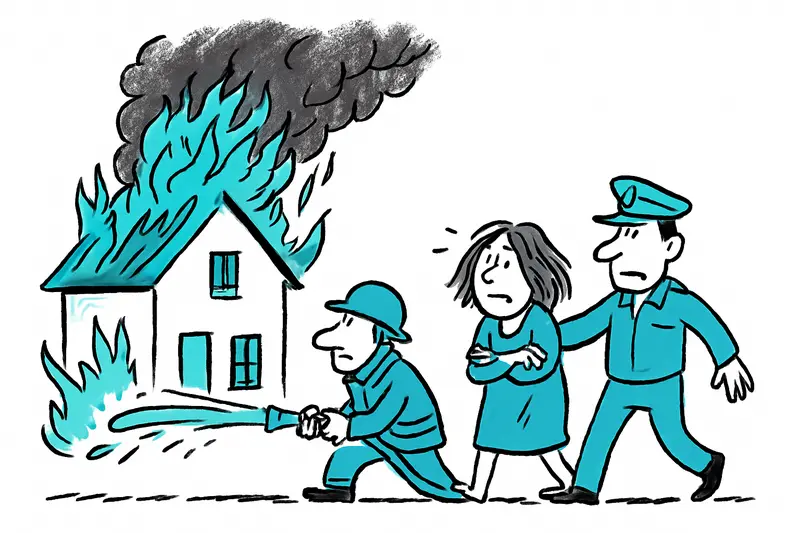
A fire in a residential building on Carrer Major in Llucmajor prompted a large-scale response from firefighters, the Guardia Civil and emergency services. The resident was rescued. Investigators are examining possible deliberate action.
Major Operation in Llucmajor: When a Hoarder House Becomes a Fire Trap
Firefighters battle thick smoke and piles of belongings – investigators do not rule out intent
On Wednesday afternoon a residential building on the Carrer Major in Llucmajor caught fire. Around 3:15 p.m. neighbors alerted emergency services because thick smoke was pouring from one of the townhouses. Units from the fire departments of Llucmajor, Manacor and Felanitx, the Guardia Civil, civil protection and the local police were on site.
The resident of the house was brought out of the building by firefighters and police officers. According to the responders, she was still inside when the fire started and initially resisted evacuation. She was removed via the rear of the house, which, as reported, was blocked by objects and waste. Such piles provided additional fuel for the fire and significantly complicated the extinguishing efforts.
Several streets around the Carrer Major were cordoned off and three neighboring houses were evacuated as a precaution, a response seen after incidents such as Pets Die in House Fire in Llucmajor — How Safe Are We Really?. Emergency crews moved vehicles from the vicinity because flying sparks could otherwise have caused further fires. The overhaul and mopping-up operations continued into the evening.
The Guardia Civil is investigating the cause of the fire; preliminary findings include an examination of a possible link to the resident’s mental state. Another fire had already been recorded on the same property owned by the same woman last Friday, as reported in Nighttime fire in Llucmajor: pets die, questions remain; whether there is a connection is part of the investigation. At the same time, health and psychiatric professionals are assessing and caring for the woman, who suffers from the so-called Diogenes or hoarding syndrome and was initially reluctant to accept offers of help.
Key question: How can a municipality like Llucmajor in future protect people whose living conditions pose an increased fire risk without violating their dignity?
Critical analysis: The operation highlights the interface between emergency services, public safety and psychosocial care, which is often fragile in practice. Firefighters encounter hardly passable rooms, combustible mountains of waste and affected people who distrust or refuse assistance. Police work rightly focuses on the cause of the fire; but being the subject of an investigation does not automatically ensure long-term risk prevention, as other local episodes like Avinguda de les Palmeres in Llucmajor: Eight vehicles destroyed — Was it arson, and what should be done now? show. The fact that another fire broke out on the same property shortly before points to a recurring problem that goes beyond single episodes of firefighting.
What is missing in the public discourse: Often only the night of the operation is noticed, not the backstory. There is a lack of discussion about preventive mechanisms: regular inspections of houses with known risk potential, fixed procedures for the coordinated involvement of social services, and clear rules for the safe clearing and cleaning of properties before easily flammable piles develop. Also seldom addressed is the question of when coercive measures are permissible and proportionate if a person poses an acute danger to themselves or others.
Everyday scene from Llucmajor: Residents stood with wet towels in doorways, children watched from the balcony of the Plaça and the air smelled of smoke and fried food from a nearby bar – a strange, familiar July mix. On the Carrer Major delivery drivers stopped, engines switched off, and the soundscape was overlaid by sirens and the rasping of firefighters’ breathing apparatus. Such images show: firefighting is not abstract; it happens among the daily noises of the place.
Concrete solutions: First, low-threshold, proactive home visits by a team made up of fire services, social services and municipal health care are needed to identify risks early. Second, municipalities should have contracts with waste disposal or city clearance services that can quickly remove materials in dangerous situations, combined with transparent cost rules and legally secure orders. Third, specialized training for emergency personnel is advisable so they can work safely when entering hoarder apartments; coupled with additional protective equipment and changed tactics for interior attack. Fourth, the interface with psychiatric care must be strengthened: mobile crisis teams, clear reporting pathways and standardized assessments for when placement is necessary for safety reasons. And fifth, municipalities should provide information for neighbors on how to approach vulnerable people respectfully and when to call for help.
Practically speaking, this means: more prevention costs money at first, but it reduces expensive large-scale operations in the medium term and saves lives. Technically required are clear alarm and documentation chains, legal bases for rapid clearance in cases of acute danger and an expansion of municipal social work.
Pointed conclusion: A fire in a cluttered house is never just a technical problem. It is the result of failures in several areas – health, social services, waste management, law – and requires connected, courageous action by the municipality before the next siren sounds.
Frequently asked questions
What happened during the Llucmajor fire on Carrer Major?
Why are hoarder situations dangerous for firefighting in Mallorca?
What preventive steps can Mallorca towns take to reduce fire risk from cluttered homes?
How should neighbors respond if they suspect a hoarder home is a fire risk in Mallorca?
What role do mental health services play in hoarding-related incidents in Mallorca?
What lessons can Mallorca municipalities learn from the Llucmajor incident?
What signs indicate a fire risk inside a cluttered home in Mallorca?
What practical steps can authorities take to safely clear a hoarder property during an emergency in Mallorca?
Similar News

Are the Balearic Islands the Southern Border of Europe? A Reality Check on Immigration
The Balearic Islands are again calling for EU aid after a sharp rise in arrivals by sea. Conflicting priorities between ...

"Expensive chaos" and many open questions: What clients can do when a lawyer suddenly stops responding
Several clients complain that a well-known German lawyer in Mallorca has been unreachable for months. Key question: What...
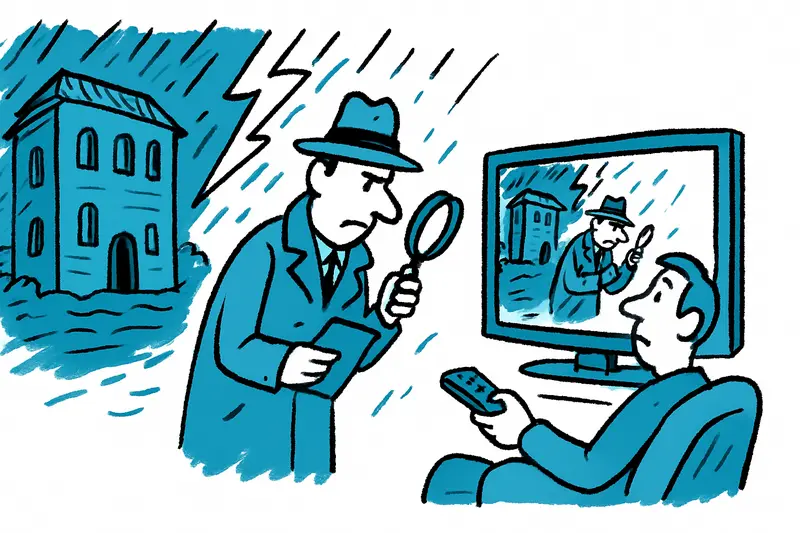
TV tip: 'The Last Problem' — Mallorca as the setting of a classic crime
A classic whodunit on Mallorca: A new miniseries set in spring 1959 brings storm, an isolated hotel and a dense web of s...
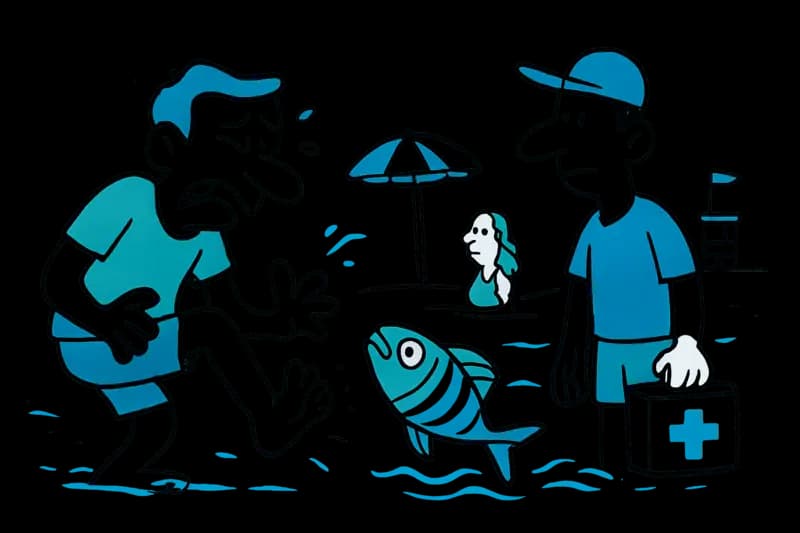
Nipping Sea Creatures: Why Bathers in Cala Major and Elsewhere Should Be Cautious
In Cala Major, bathers have reported being nipped by small fish. What is behind it, how can problems be avoided — and wh...
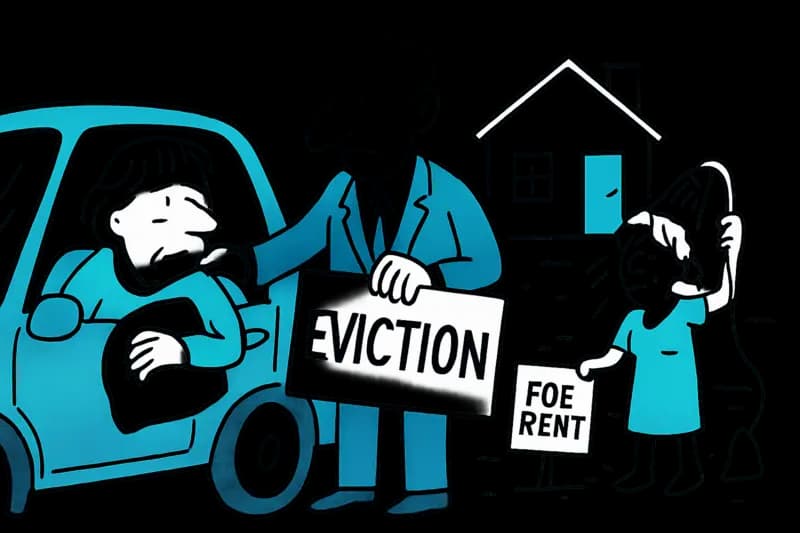
Forced eviction in Santa Catalina: When a 65-year-old slept in her car and showered on the beach — a question of responsibility
The story of Pilar López from Santa Catalina represents a problem affecting many Mallorcans: How can an island with a bo...
More to explore
Discover more interesting content

Can Cap de Bou

Townhouse Lleo 72
