
Why Mallorca Ranks So High in the Crime Statistics — and What We Can Do
The Balearic Islands top the 2025 ranking of convicted offenders per capita. A look at the numbers, the gaps in public discourse, a scene from the Passeig and concrete proposals for how the island should respond.
Why Mallorca Ranks So High in the Crime Statistics — and What We Can Do
Key question: What do the numbers say — and what disappears between promenade and courtroom?
The raw figures are on the table: in 2025 the Balearic Islands recorded 14.3 convicted adults per 1,000 inhabitants, a total of 10,436 legally convicted adults. Only Ceuta and Melilla have a higher rate. The rise in sexual offences stands out: from 127 to 159 convictions, an increase of 25.2 percent. In the youth category the Balearics are also well above the Spanish average, with 16.6 convicted per 1,000 among 14 to 17 year olds compared to the national average of 11.3. The question is not only "How bad is this?" but "Why do we occupy these positions — and what does that say about our island society?"
Critical analysis: Statistics are more powerful than headlines, but they are also blunt instruments; see Balearic Islands on average quieter — Palma stays full: Why statistics and everyday life contradict each other. A high number of convicted people can have different causes. It can point to a real increase in crime, to concentrated police checks at tourist hotspots, to greater attention to certain offences, or to differences in prosecution practices locally, illustrated by recent Arrest in Mallorca after European arrest warrants: How safe is the island as a hideout?. On Mallorca, seasonal mobility, strong tourism flows and a dense network of services, bars and holiday accommodations come together. This mix creates more opportunities for property crimes, fraud or assaults — and it makes victims more visible and more likely to report. At the same time, social problems such as precarious work, housing shortages and youth unemployment strain the social fabric, without being sufficiently addressed in public debate.
What is often missing: The discourse focuses on numbers and isolated cases, not on prevention and systemic weaknesses. Reliable data on the role of the tourism sector in specific offences, on the origin of offenders — permanent or temporary residents, visitors, transnational gangs (see Who Shapes Mallorca's Streets? A Reality Check on Island Demographics) — and on recidivism rates after sentences are lacking. Rehabilitation is also rarely discussed: how many convicted people take part in reintegration programmes after serving sentences? What services exist for young people who are going off track? Without this information, the debate remains superficial and reactive.
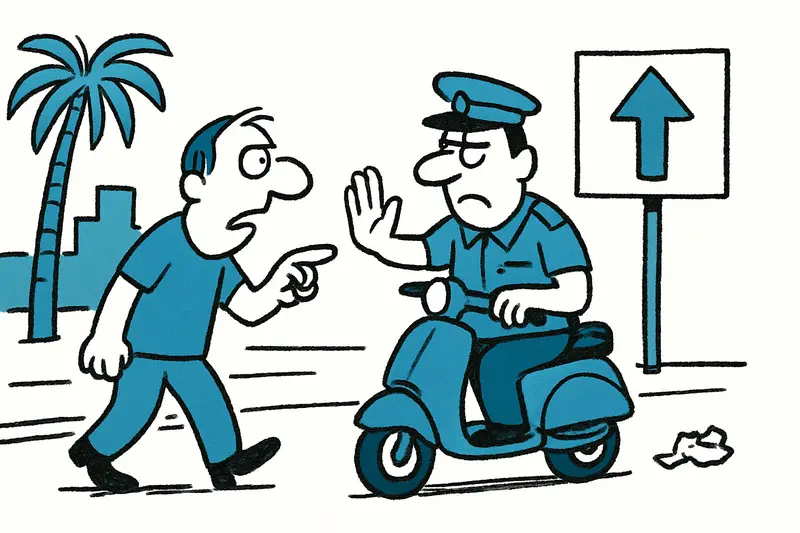
Everyday scene from Palma: On the Passeig Mallorca, just before the Mercat de l'Olivar, a taxi driver sits in the shade, delivery vehicles hum by, tourists squeeze past ice-cream shops. A father pushes a pram, next to him a teenager on a skateboard. Police officers patrolling the promenade in the early evening are already part of the scenery. This scene shows how closely everyday life and security issues are intertwined here: nobody wants increased presence around the clock, but people want safety, protection for shops and families, and measures against organised trickery, as seen in cases of luxury watch thefts (Organized watch robbers in the Balearics: Why Mallorca must also stay vigilant) — without turning the neighbourhood into a fortress.
Concrete solutions that are more than words: First, better data transparency: authorities should publish differentiated statistics (type of crime scene, offender status, recidivism rates) so that politics and society can discuss with solid facts. Second, targeted prevention for youth: supplementary offers in schools and sports clubs, accompanied vocational programmes and low-threshold counselling centres for families. Third, intersectoral teams: police, social work, judiciary and municipalities must work together locally instead of remaining separated silos — especially in problem neighbourhoods and at tourist hotspots. Fourth, training for police and the judiciary to better assess offences in a tourism-shaped environment and to promote alternatives to imprisonment for suitable offences.
Victim-centred measures and prevention in the hospitality sector: Bars, clubs and holiday rentals need mandatory training, reporting channels and partnerships with counselling centres so that assaults are identified more quickly and reports can be filed without complications. Fifth, housing and labour market policies: in the long term stable employment and affordable housing reduce vulnerability to criminal careers. Sixth, public communication without alarmism: honest information builds trust, while sensationalist reporting creates fear and divides society.
What we can do immediately: start local pilot projects — for example youth centres with afternoon drop-in hours, an expert network for forensic social work, coordinated prevention campaigns at airports and ports. These measures are not a panacea, but they shift the balance from reaction to prevention.
Pithy conclusion: The Balearic Islands top the statistics, but numbers alone are not a verdict on a society. They are a wake-up call. Those who live, work or vacation on Mallorca will notice the fine cracks: overcrowded housing units, young people without prospects, nights with too much alcohol. We need clearer data, more cooperation between authorities and civil society and programmes that take effect locally. The islands cannot hide behind tourist figures if they want to protect their social stability. And yes — that also means uncomfortable action instead of just loud discussions on the plaza.
Frequently asked questions
What is the best time of year to visit Mallorca for beach days and swimming?
What should I pack for a Mallorca trip to stay comfortable in changing weather?
How warm is the water around Mallorca and when is it best for swimming?
Are there family-friendly beaches and activities in Mallorca?
What is the best way to get around Mallorca: car rental or public transport?
Can you swim near Palma or within easy reach of the city?
What activities are popular in Mallorca for active travelers?
Are day trips from Mallorca worth planning, and what options exist?
Similar News
Are the Balearic Islands the Southern Border of Europe? A Reality Check on Immigration
The Balearic Islands are again calling for EU aid after a sharp rise in arrivals by sea. Conflicting priorities between ...

"Expensive chaos" and many open questions: What clients can do when a lawyer suddenly stops responding
Several clients complain that a well-known German lawyer in Mallorca has been unreachable for months. Key question: What...

TV tip: 'The Last Problem' — Mallorca as the setting of a classic crime
A classic whodunit on Mallorca: A new miniseries set in spring 1959 brings storm, an isolated hotel and a dense web of s...
Nipping Sea Creatures: Why Bathers in Cala Major and Elsewhere Should Be Cautious
In Cala Major, bathers have reported being nipped by small fish. What is behind it, how can problems be avoided — and wh...
Forced eviction in Santa Catalina: When a 65-year-old slept in her car and showered on the beach — a question of responsibility
The story of Pilar López from Santa Catalina represents a problem affecting many Mallorcans: How can an island with a bo...
More to explore
Discover more interesting content

Can Cap de Bou

Townhouse Lleo 72
