
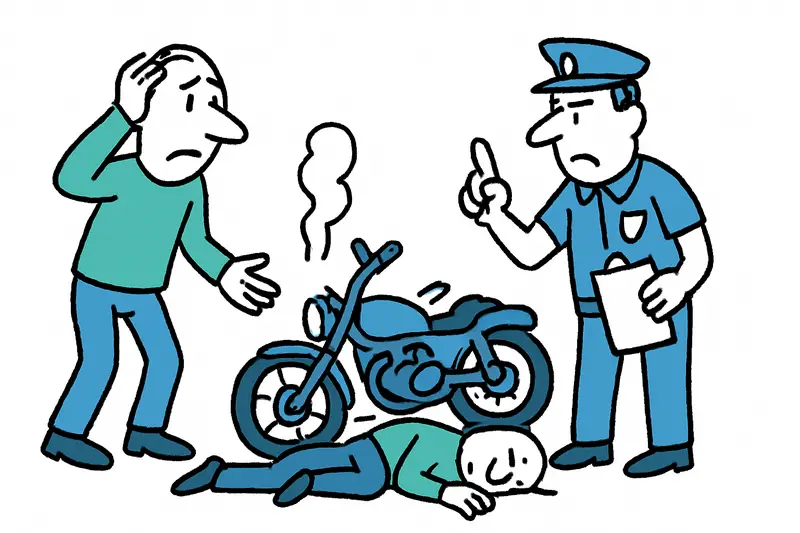
Deadly Motorcycle Accident near Portocolom: A Reality Check for Mallorca's Roads
Deadly Motorcycle Accident near Portocolom: A Reality Check for Mallorca's Roads
A 53-year-old motorcyclist from Belgium died on the MA-4012 towards Portocolom. This article analyzes why such accidents continue to happen here and what measures are now necessary.
Deadly Motorcycle Accident near Portocolom: A Reality Check for Mallorca's Roads
One man dead, many questions: What's missing to prevent this from happening again?
In the early morning on the MA-4012 toward Portocolom a tour ended in tragedy. A 53-year-old man from Belgium, riding alone on a Honda CB600, apparently lost control of his motorcycle around 08:10 and died. The local police in Felanitx found the victim; the Guardia Civil took over the investigation. According to the circumstances known so far, no other vehicles were involved.
Key question: Why Are So Many Motorcyclists Dying on Mallorca? A Reality Check after the Llucmajor Accident This question cannot be answered with a single fact, but it can be divided into several areas for action.
Critical analysis: Single-vehicle accidents can have many causes — from speed and riding errors to road defects, loose gravel or blinding sunlight. The MA-4012 is a route used by locals and visitors; tight bends, blind crests and often only narrow hard shoulders increase the risk. In addition, many riders here come from abroad and do not know the local topography, driving habits and road conditions in detail. In recent summers, heat has been an additional factor: early morning hours are still comparatively cool, but thermal strain over days can impair reaction ability.
What is missing from the public debate: There is a lot of talk about fines and controls, but rarely about preventive infrastructure measures and targeted education for foreign riders — The number of fatal motorcycle accidents in Mallorca has risen significantly this summer. Accident statistics are also often discussed only summarily, without evaluating time, location range and vehicle types for targeted measures. And: the voice of local people — farmers, bus drivers, fishermen in Portocolom — is rarely included, even though they know the condition of side roads.
Everyday scene from Portocolom: On a morning in the bay of Es Riuetó it smells of diesel and fried fish; fishermen pull in nets, seagulls circle, wooden boats clack on the pier. At the same time, motorcycles roar past on the access road, the dull echo of the machines reverberates between the low houses. Such scenes show how vacation, work and traffic lie close together — and how small the difference can be between a normal passage and catastrophe.
Concrete solutions that should be checked immediately: short-term — temporary visual inspections and cleaning of bend sections on the MA-4012, additional warning signs at particularly critical spots, rumble strips before hazard points and more mobile controls at times of high motorcycle density; medium-term — targeted information campaigns in several languages at rental stations, parking areas and ferries, a testing program for critical side roads (grip, edge reinforcement, drainage) and the establishment of a local reporting system for dangerous spots; long-term — better data collection on accidents (time, vehicle type, rider experience), targeted infrastructure projects (wider shoulders, escape bays) and regular motorcycle safety courses that are also tailored to tourists.
Another practical element: check first-aid and recovery times. In mountain and coastal regions minutes decide survival chances. Local municipalities should, together with emergency services, run through routines to see where helicopter landing sites or access for rescue vehicles need to be improved.
Punchy conclusion: It is not enough to lament an accident and point to investigations. Why Mallorca Remains Dangerous for Bikers — and What Could Really Help — Mallorca needs a mix of better road maintenance, targeted education for foreign riders and concrete interventions at danger spots. Anyone walking at the Portocolom harbor in the morning hears the machines and sees the marks — these are clues that authorities and communities should take seriously. The dead rider on the MA-4012 is more than a statistic; he should be reason to name and fix errors before the next family receives news nobody should have to get.
Frequently asked questions
When is the best time to visit Mallorca for warm weather and outdoor activities?
Is it better to rent a car or use public transport to explore Mallorca?
What are the best beaches in Mallorca for swimming and sunbathing?
What should I pack for a Mallorca beach trip?
Are there family-friendly activities in Mallorca?
How does the weather affect swimming in Mallorca?
Are there scenic drives or hikes that showcase Mallorca’s landscape?
What local etiquette should I know when visiting Mallorca?
Similar News
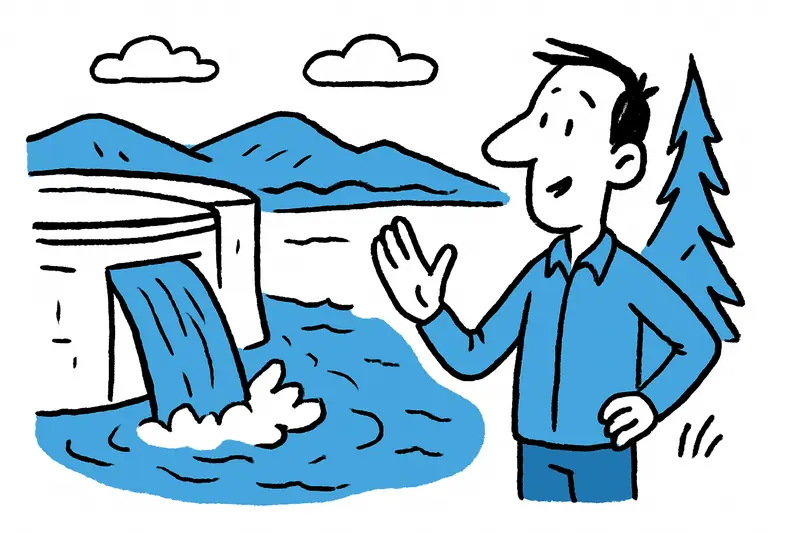
More water than last year: Mallorca's reservoirs breathe easier
September rain refilled the Tramuntana's reserves: overall fill around 35 percent, Cúber at 40.42 percent, Gorg Blau at ...
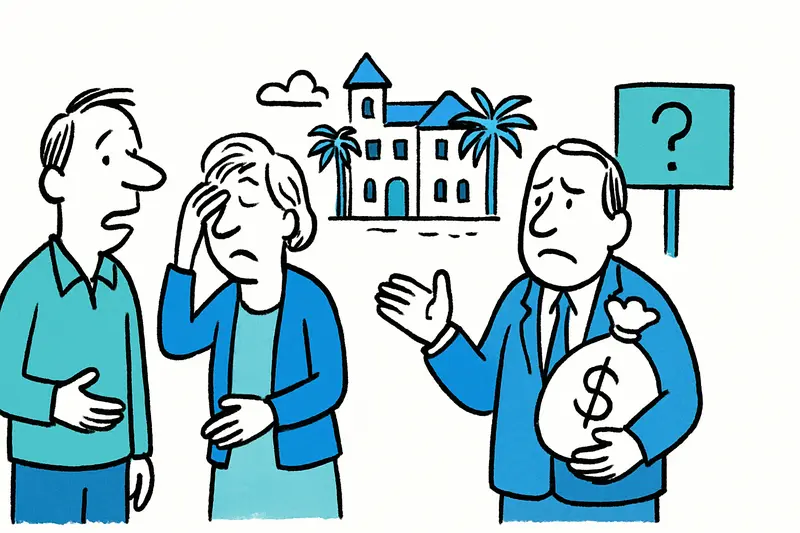
Three Luxury Hotels in Banyalbufar: Lots of Money, Many Questions
A Danish investor plans three exclusive accommodations in Banyalbufar — including the historic Son Valentí. The announce...
2.1 tonnes of cocaine on sailing yacht off Spain's coast – a reality check for the coastguard
A 14-metre yacht was seized with 2.1 tonnes of cocaine. Who monitors the ports, how does the international hunt succeed ...
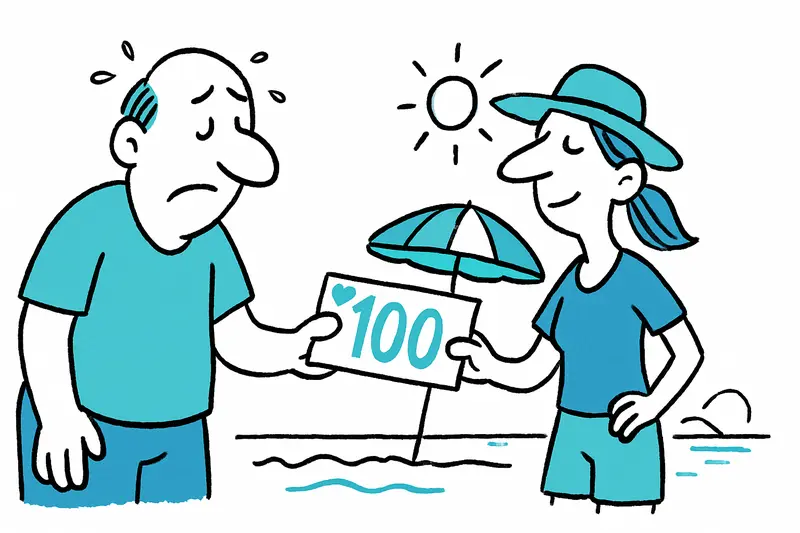
Heat Bonus in Mallorca: 100 Euros Extra for Outdoor Staff at MarSenses
MarSenses pays employees who worked outdoors in August an extra €100 as recognition. Lighter uniforms, reduced hours for...
Renovating in Mallorca: What You Really Can Do Without Neighbour Consent
Many think they can do whatever they want in their apartment. That's partly true — but only as long as structural elemen...
More to explore
Discover more interesting content

Can Cap de Bou

Townhouse Lleo 72
