
Almost a month unnoticed: Dead 78-year-old in La Soledat — How safe are lonely neighbors?
Almost a month unnoticed: Dead 78-year-old in La Soledat — How safe are lonely neighbors?
In La Soledat emergency services found a 78-year-old woman who had apparently died weeks earlier. A miniature neighborhood study: Why do people fall through the cracks?
Almost a month unnoticed: Dead 78-year-old in La Soledat — How safe are lonely neighbors?
Guiding question: How can it happen that a neighbor in Palma remains dead and unnoticed for weeks?
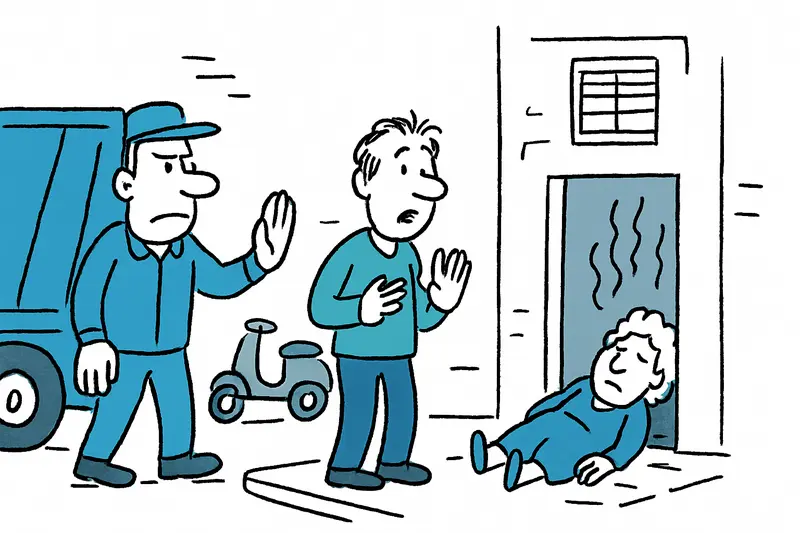
Early in the morning on Calle Sant Damas, La Soledat: the garbage trucks have just emptied the bins, a moped passes by, and from a building entrance comes a smell that does not match the heat of the July day. A neighbor who had not seen the woman for weeks alerts the emergency services. Firefighters force the apartment door with heavy equipment. Inside, investigators find a 78-year-old woman who had apparently been dead for weeks. The forensic doctor issues a death certificate and the body is transferred to the institute of legal medicine. The homicide division takes over the investigation, while the police currently assume a natural death, a scenario seen in other Palma incidents such as Body in Santa Catalina: Why the death went unnoticed for weeks.
Critical analysis: More than an isolated case
The case reads like a sober sequence of operations. Behind the facts, however, is a larger problem: social isolation of older people in cities. Palma has neighborhoods where residents used to look out for one another; in recent years tenant turnover, holiday rentals and a faster pace of life have arrived. Recent reporting has documented comparable discoveries in Santa Catalina, for example Body Found in Santa Catalina: When an Entire Neighborhood Didn't Notice. People who rarely go outside, who have no large families nearby or are not networked online risk falling out of view. Added to this is many neighbors' reluctance to 'be a nuisance': they first wonder 'Can I get involved?' and too often remain silent.
What is missing from the public debate
Reports about discoveries of bodies usually focus on the moment of discovery and police procedures. Rarely is the question asked: What prevention was in place? Were there regular checks by social services, general practitioners or property managers? How easy is it for neighbors to use official channels to report missing or isolated persons? A structured public debate about the interfaces between the health system, local administration and neighborhood networks is missing — and with it clear responsibilities, as lessons from other regions such as Valencia find: When a person remains unnoticed for 15 years — Lessons for Mallorca underline the stakes.
Everyday scene from Palma
Imagine the small street: children playing with rubber bands in the afternoon, older people playing cards in the shade of plane trees. Now think of the quieter apartments behind closed shutters. Deliveries rarely ring there, visitors are sparse. When the smell is noticed, it is often already too late. The July heat accelerates decomposition; what at first is a strange odor quickly becomes an alarm signal for other residents — but the alarm comes late.
Concrete approaches
1) Systematic follow-up for the vulnerable: Municipalities could offer a voluntary registry for older people living alone. Participants would receive regular calls or visits from social workers or trained volunteers. Data protection is important, but a simple consent to be contacted would prevent many cases.
2) Strengthen neighborhood networks: Local initiatives, meeting places in community centers, shared lunches or sponsorships between younger and older residents build trust. A simple neighborhood chat is not enough — personal encounters are decisive.
3) Better linking of health and safety services: General practitioners, pharmacies and social services must have a practical reporting pathway if patients are unreachable for weeks. Property managers and electricity suppliers could also raise alarms in case of prolonged outages — with clear reporting protocols.
4) Technical solutions with moderation: Emergency buttons, motion detectors or smart water/electricity sensors can save lives. Important is that technology complements human checks, not replaces them.
5) Awareness campaigns: Information on how to recognize signs of loneliness and how to correctly call for help should be distributed in plain language — in pharmacies, supermarkets and community centers.
Concrete steps for La Soledat
For a neighborhood like La Soledat, a pilot project is conceivable: coordination between the town hall, the fire department, the national police, the health center and a volunteer group. The goal: to establish regular sight contacts with registered vulnerable people within a year and to reduce response times for reports, drawing on experiences from cases such as Fatal Discovery in Son Macià: A Case Raising Questions about Protecting Older People.
Concise conclusion
The finding on Calle Sant Damas is a warning sign, not just a police report. It shows how thin the net has become that catches the elderly and those living alone. We cannot wait until the smell reaches the street. Responsibility is not only the authorities' task — it begins with the neighbor, the shopkeeper on the corner, with all of us. A little attention, a short phone call, an offer to run an errand: these are simple things that prolong life and allow more dignified farewells.
Frequently asked questions
How does loneliness affect elderly residents in Mallorca, and what can communities do to help?
What signs should neighbors in Palma or Mallorca watch for that someone might need help?
How can residents report a missing or isolated elderly person in Mallorca?
What concrete steps could Palma's neighborhoods take to prevent long-term isolation of older residents?
How can technology help elder safety in Mallorca without replacing human contact?
What kind of community programs exist or could help reduce isolation in Mallorca towns?
If you notice a smell or signs that an elderly person may be in trouble, what should you do in Mallorca?
How can I start a respectful conversation with a neighbor about support in Palma without intruding?
Similar News
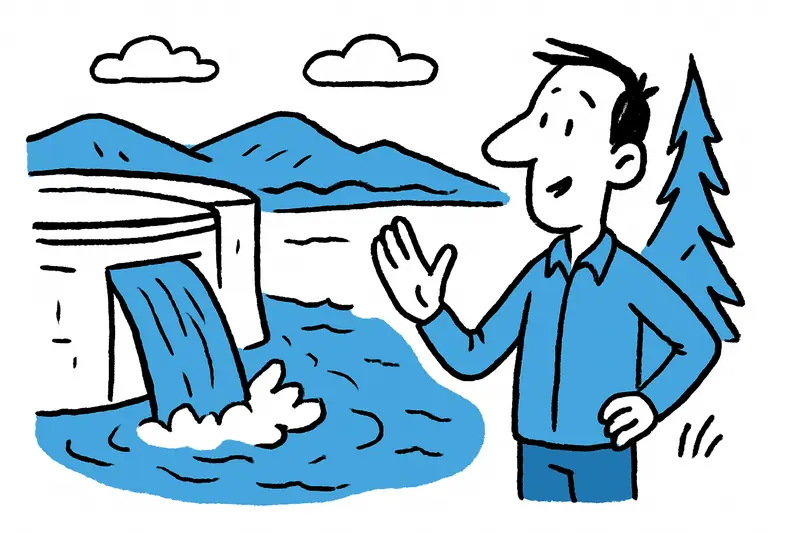
More water than last year: Mallorca's reservoirs breathe easier
September rain refilled the Tramuntana's reserves: overall fill around 35 percent, Cúber at 40.42 percent, Gorg Blau at ...
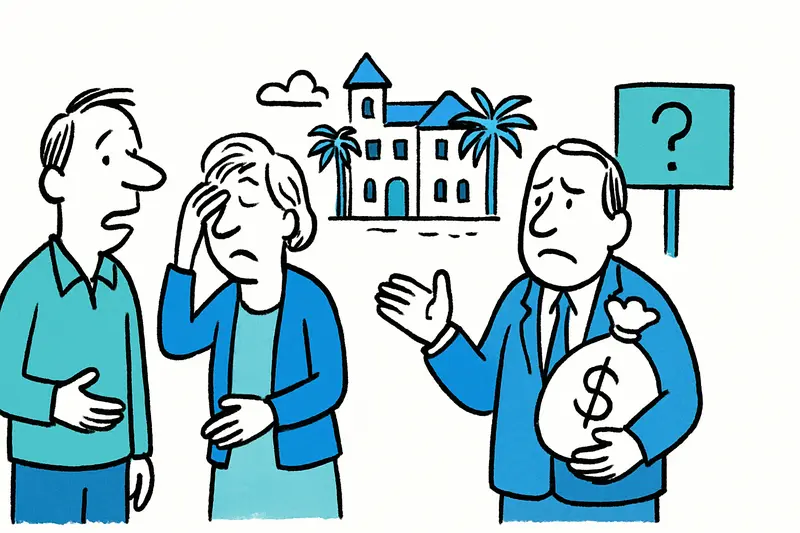
Three Luxury Hotels in Banyalbufar: Lots of Money, Many Questions
A Danish investor plans three exclusive accommodations in Banyalbufar — including the historic Son Valentí. The announce...
2.1 tonnes of cocaine on sailing yacht off Spain's coast – a reality check for the coastguard
A 14-metre yacht was seized with 2.1 tonnes of cocaine. Who monitors the ports, how does the international hunt succeed ...

Heat Bonus in Mallorca: 100 Euros Extra for Outdoor Staff at MarSenses
MarSenses pays employees who worked outdoors in August an extra €100 as recognition. Lighter uniforms, reduced hours for...
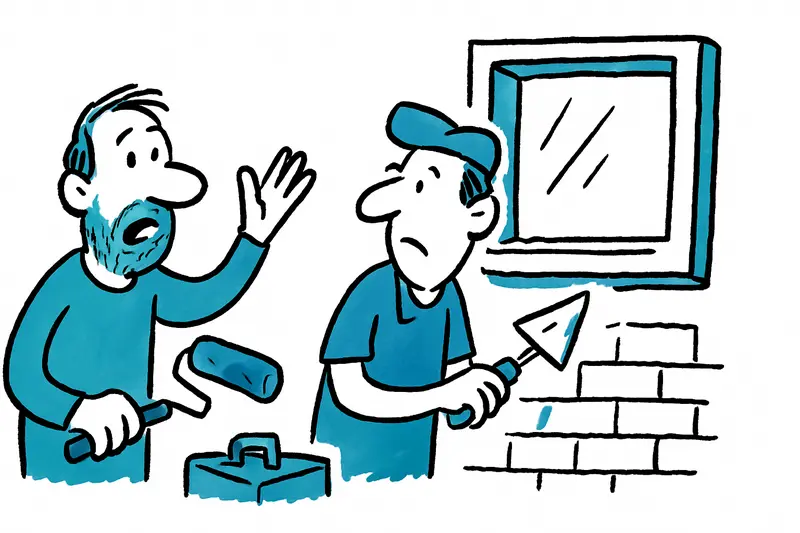
Renovating in Mallorca: What You Really Can Do Without Neighbour Consent
Many think they can do whatever they want in their apartment. That's partly true — but only as long as structural elemen...
More to explore
Discover more interesting content

Can Cap de Bou

Townhouse Lleo 72
