
Two people disappear during rescue off Formentera – what's missing and how Mallorca could respond
Two people disappear during rescue off Formentera – what's missing and how Mallorca could respond
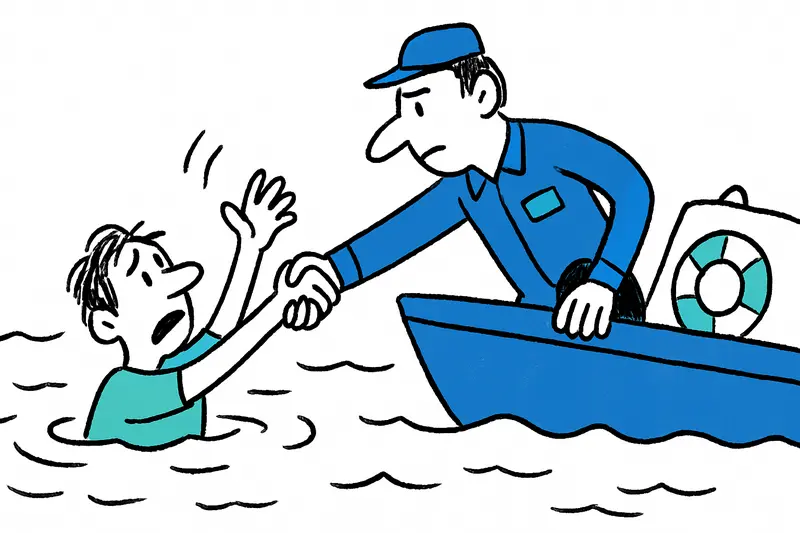
During a nighttime rescue about 14 nautical miles south of Formentera, 13 people were pulled from a boat. Two people who had jumped into the sea beforehand are still missing. A reality check: what is missing from the discussion — and what could help on Mallorca?
Two people disappear during rescue off Formentera – what's missing and how Mallorca could respond
Evening rescue: 13 rescued, two still missing
On Sunday evening at around 9:30 p.m., rescuers discovered an overcrowded boat about 14 nautical miles south of Formentera. According to the delegation of the central government in the Balearic Islands, 13 people on board were recovered. Five occupants had left the boat and jumped into the open sea before the emergency services arrived; three of them were rescued by the Guardia Civil sea rescue, two have been missing since Monday.
In total, four boats landed in the Balearic Islands that day – 56 people of Maghrebi origin reached the islands. The boat intercepted on Sunday was the fourth within the last few hours. Several units took part in the nighttime operation, including a ship named 'Duque de Ahumada', the Guardia Civil and civil sea rescue teams. Similar multi-unit operations have been reported elsewhere, for example Nights of Landing: 60 People off Formentera — Between Rescue and Overload.
The bare figures are not new: on hot summer nights you see the usual police rotation at the ports, the flashing of patrol boats at Playa de Palma and the conversations in Sant Antoni bars when people discuss the events. But behind the numbers are decisions made under stress – people jump into the water hoping to reach the coast. The sea is merciless; darkness makes rescue even more difficult. This pattern was also documented in Six boats, 75 people: When the nights on the coasts grow denser.
Key question
Why do people jump into the sea before rescuers arrive, and what disappears from the public discourse as a result?
Critical analysis
The immediate response focuses on rescue: finding boats, getting people on board, providing medical care. That is necessary and correct. But this focus overlooks decision pressure, information deficits and the motivations of those on board. Why do five people decide to leave the relatively safe, albeit cramped, boat and swim into the night? Fear of arrest, panic, misinformation about distances – all of this plays a role. In practice this means: when communication between people on the boat and the emergency teams fails, decisions are made in seconds, often with fatal consequences.
Another point: the figure of 56 arrivals in a single day shows this is not an isolated case. Capacity for reception, coordination between the Guardia Civil, Salvamento Marítimo and local authorities, and initial medical care are more strained than on normal days. Logistical bottlenecks increase stress for both those affected and the helpers; see New surge of boat migrants: 122 people rescued in one day off the Balearic Islands for a similar report.
What is missing from the public debate
Less visible are personal backgrounds, the role of smuggling networks and the information people receive before the crossing. Equally little discussed is how local authorities on land organise care when several boats arrive at once. And: the psychological burden on the rescued and the emergency teams is often only mentioned in passing – night shifts at the port, people in care, interpreters, legal questions.
An everyday scene from the island
Imagine Sant Ferran late in the evening: the heat barely eases, the faint rhythm of scooters and distant voices blends with the sound of the sea. Bright lights shine on the quay, a rescue boat still huffs; helpers in high-visibility vests speak briefly, then disappear toward the harbour office. A woman with wet hair and a foil blanket leans against a wall, an interpreter explains something in Arabic. Such scenes are no longer a headline the next morning; they are the place where decisions and human suffering meet.
Concrete proposals
1) Improve on-site communication: Emergency teams should have standardized, multilingual notices ready that explain briefly and clearly what is happening, how far the mainland is and what risks jumping into the water carries. Visual aids on boats could save lives.
2) Rapid coordination points at ports: Temporary collection points with sufficient capacity for initial care, interpreters and psychosocial support would reduce tensions. Proven port protocols should be practised regularly.
3) Reliable information channels for potential crossing migrants: When people receive misinformation about short distances or safe landings, it leads to riskier decisions. Cooperation with NGOs and international organisations could help spread fact-based information.
4) Stronger monitoring of sea routes combined with humanitarian options: Sinkings and emergencies cannot be stopped by deterrence alone. Rescue capacity must not be solely repressive but also oriented toward safety and human dignity.
Conclusion
The nighttime rescue off Formentera shows the same fractures as many other operations: quick help succeeds, but two people are missing; similar cases of missing migrants have been covered in 18 People Missing off Mallorca — A Call to Politics and Society. Those who live on Mallorca see the waves, hear the sirens and feel the unease. We need more than numbers: clear communication, better port procedures and a combination of humane action and efficient coordination. Otherwise people remain in the dark – unsurprising to none, tragic for everyone.
Frequently asked questions
What is the best time of year to visit Mallorca for warm weather and swimming?
What should I pack for a Mallorca trip to stay comfortable and prepared?
Are there safe places to swim in Mallorca and what should I know about the sea?
What family-friendly activities are worth trying on Mallorca?
How can I get around Mallorca on a budget?
Is Mallorca a safe destination for solo travelers?
How does Mallorca's climate affect outdoor plans, like hiking or beach days?
Are there quieter or less crowded sights and experiences to enjoy on Mallorca?
Similar News
Are the Balearic Islands the Southern Border of Europe? A Reality Check on Immigration
The Balearic Islands are again calling for EU aid after a sharp rise in arrivals by sea. Conflicting priorities between ...

"Expensive chaos" and many open questions: What clients can do when a lawyer suddenly stops responding
Several clients complain that a well-known German lawyer in Mallorca has been unreachable for months. Key question: What...
TV tip: 'The Last Problem' — Mallorca as the setting of a classic crime
A classic whodunit on Mallorca: A new miniseries set in spring 1959 brings storm, an isolated hotel and a dense web of s...
Nipping Sea Creatures: Why Bathers in Cala Major and Elsewhere Should Be Cautious
In Cala Major, bathers have reported being nipped by small fish. What is behind it, how can problems be avoided — and wh...
Forced eviction in Santa Catalina: When a 65-year-old slept in her car and showered on the beach — a question of responsibility
The story of Pilar López from Santa Catalina represents a problem affecting many Mallorcans: How can an island with a bo...
More to explore
Discover more interesting content

Can Cap de Bou

Townhouse Lleo 72
