
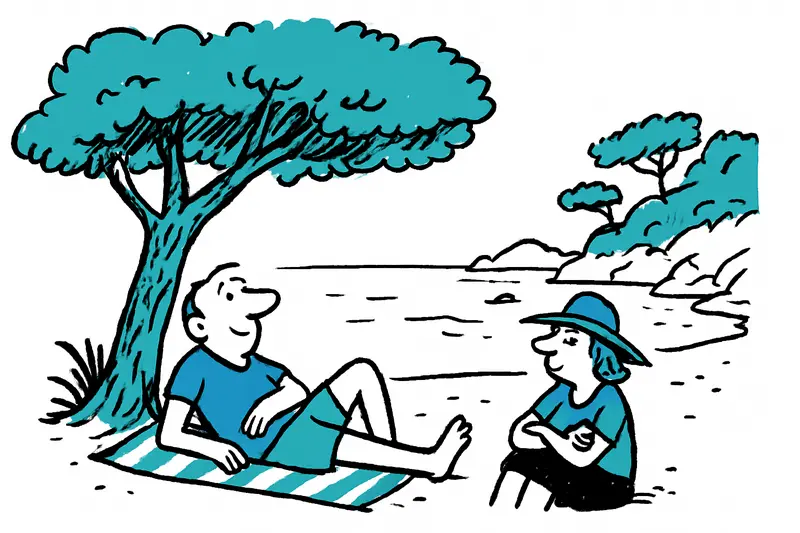
Beach tip: Five spots on Mallorca where natural shade is still king
Beach tip: Five spots on Mallorca where natural shade is still king
If you want to escape the heat: five coves and beaches with genuine natural shade — from Formentor to Cap Falcó. Parking tips, how to get there and small everyday tips for a relaxed day by the sea.
Beach tip: Five spots on Mallorca where natural shade is still king
33 °C in Palma? Then head for the pines: places where shade, the sound of the sea and a bit of island calm await
Temperatures in Palma are climbing to around 33 °C — time to think about airy spots with real natural shelter. Not every cala offers shade-giving trees, but at some beaches jagged pines, low holm oaks and narrow cliffs meet clear water — examples are described in Calm, Rocks, Sea – Mallorca's Quiet Coves Away from the Sand Crowds. I have compiled five favorite spots that are pleasant on hot days and often not completely overcrowded.
Playa Albercutx (near Port de Pollença): A small cove where the houses of Port de Pollença form a backdrop and the belt of pine trees behind the sand immediately creates cool spots. The route leads via the Ma-13 towards Inca and then follow the signs to Pollença; just before the drive up to the Mirador Puig de Colomer turn right. Fishermen's boats pass by in the morning; outside the high season you hear more pine rustle than engine noise here. There are parking spaces; if you arrive later you will have to walk a few meters.
Playa Formentor: At the northeastern tip of the island, where pine branches almost reach the surf. A classic, yes — but the tall trees quickly turn a beach visit into something more relaxed. If you come by car, start early or take the bus; on weekends the parking spaces fill up quickly. Tip: An evening walk is worth it when the light becomes soft and the air smells of resin; see Where to Find Mallorca's Most Beautiful Sunsets — My Favorite Spots.
Playa d’Alcanada (municipality of Alcúdia): A pebbly bottom, narrow stretches of sand and a row of pines make this beach pleasantly shady. The view of the sea is open, and the bay often remains quieter than other beaches along Alcúdia Bay. There is parking nearby, so it is well suited for spontaneous trips — a folding chair and a small towel are often enough here.
Cala Cap Falcó (near Magaluf): Only about seven kilometers from Magaluf, but here low garrigue shrubs mix with older pines. The cove is rockier, the water clear, and an old shipwreck lies off the coast in some spots — a magnet for snorkelers. Follow the signs towards Cap de Falcó/Cala Vinyes; the last meters are scenically attractive. Parking is possible but not unlimited.
Caló de sa Barca Trencada (near S'Alqueria Blanca): About four kilometers from S'Alqueria Blanca, this small cove is hidden between rock and pine formations. If you fancy a walk, you can also reach it from the Punta des Savinar — a route with lookout pauses. There are hotels nearby, but the little cove often retains a quiet, local character.
A few practical notes: even if shade is available, sun protection is still mandatory — light shirts, a hat, enough water and a good sunscreen are advisable. Some coves have rocky sections; water shoes are a good idea on caló or rocky beaches. If you want to avoid crowds, aim for the early morning hours or the late afternoon — many Mallorcans do the same; for more ideas, read Exceptional Quiet Spots on Mallorca – Tips for a Relaxing Short Trip.
Why are these places good for the island? Natural shade protects bathers, distributes visitor flows to some extent and preserves the character of the coves. If you come with respect for the plants and the hinterland — take your rubbish with you, use already marked paths — nature remains for everyone.
My little inspiration to finish: Pack a light blanket, a few tapas to go (half an ensaimada will do), a bottle of water and don't plan a strict timetable. A morning swim at Formentor, a late snack at Albercutx and the soft crackle of pine needles as background music — that's summer feeling without hurry.
If you'd like, feel free to write to me which shady corner on the island you appreciate. Knowing the local spots means sharing — but with consideration so the places stay alive.
Frequently asked questions
What is the best time of year to visit Mallorca for warm weather and swimming?
What should I pack for a Mallorca trip?
Are Mallorca beaches good for families with kids?
What are other popular activities to do in Mallorca besides swimming or sunbathing?
Is it easy to travel around Mallorca by public transport?
How does Mallorca’s weather affect swimming conditions?
What cultural or food experiences are worth seeking in Mallorca?
What practical safety tips should I keep in mind when visiting Mallorca?
Similar News
Heat Bonus in Mallorca: 100 Euros Extra for Outdoor Staff at MarSenses
MarSenses pays employees who worked outdoors in August an extra €100 as recognition. Lighter uniforms, reduced hours for...
Renovating in Mallorca: What You Really Can Do Without Neighbour Consent
Many think they can do whatever they want in their apartment. That's partly true — but only as long as structural elemen...
Cafetería San Siro: A Meeting Place on Schinken Street Since 1966
In the middle of Schinken Street, Cafetería San Siro has been offering Mallorcan hospitality for more than six decades —...
From Ballermann to Prison: What the Verdict Against the Femina Operator Means for Palma
The Munich Regional Court convicted a German operator for subsidy fraud. What does the verdict mean for the Femina Club,...
Underpass Verge de Lluc: 19-year-old fights her way out of flooded car – a warning sign for Palma
A 19-year-old recently escaped swimming from her car after the Verge de Lluc underpass held up to one and a half meters ...
More to explore
Discover more interesting content

Can Cap de Bou

Townhouse Lleo 72
