
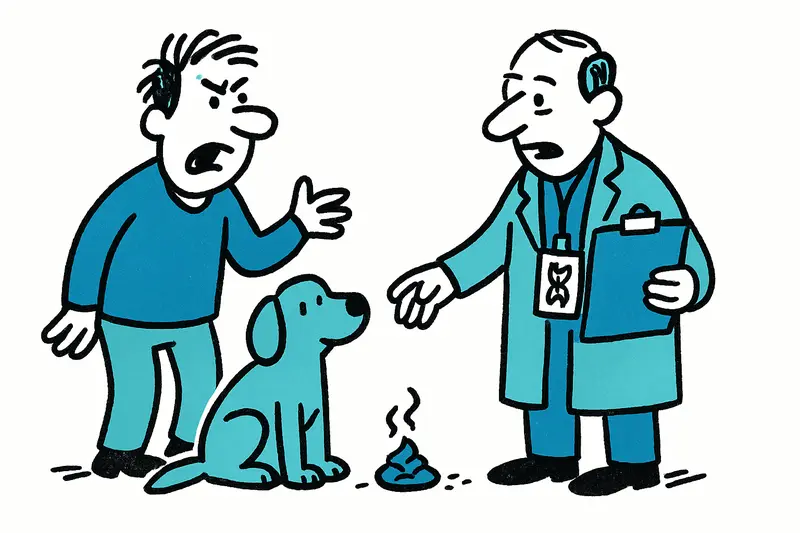
3900 Euros for Dog Poop: What Is the DNA Program Really Good For?
3900 Euros for Dog Poop: What Is the DNA Program Really Good For?
In Santa Eulària (Ibiza) a dog owner faces a fine of up to €3,900 for failing to remove dog waste 13 times. The DNA register is supposed to expose repeat offenders — we ask: does the system work, or is more than enforcement needed?
3900 Euros for Dog Poop: What Is the DNA Program Really Good For?
Key question: Can a DNA register enforce behavior change — or does the municipality merely shift the problem into private spaces?
In Santa Eulària on Ibiza, the municipal administration has published figures that sound stark and uncompromising: a dog owner may face a fine of up to €3,900 because, according to the municipality, they failed to remove their dog’s waste 13 times. The simple math behind it is clear: 13 violations at €300 each add up to the amount. At the same time, authorities report that 52 animals were identified as repeat cases and 63 owners have not registered their animals in the local DNA register — non-registration carries fines of €200 each. According to the report, 27 percent of reported dog owners were not registered.
All of this sounds like strict enforcement. But does the DNA program deliver the hoped-for cleanliness on sidewalks and in parks? Or do new questions arise: How reliable is the chain of evidence for the samples? Who supervises sample collection? What does administration cost when it organizes constant controls, analyses and fine proceedings? And not least: is punishment the right lever to reach people?
A sober analysis shows: the DNA system exposes repeat offenders — the numbers demonstrate this, with 30 people registered twice, twelve three times, three four times, four five times, one six times and two even seven times. Such statistics are useful because they reveal patterns. But they say nothing about how many cases go unpursued, how many fines are actually enforced or whether those fined appeal. They also do not take into account that certain places are more heavily used at particular times of day — mornings in city parks, evenings on promenades when people walk their dogs.
What is often missing from public debate is the view of practice and prevention. On Mallorca I see this daily: on the Passeig Marítim dog owners stand ready with bags, two houses down someone strolls without one, the sun glints on the water and a child steps into a deposit. This is not isolated — it is everyday reality. Fines punish, but they do not replace infrastructure: installing free bag dispensers, regular cleaning routes and visible information signs are often missing where problems are most evident. Larger volunteer and authority initiatives, such as the cleanups that removed almost eight tons of waste off the Balearic Islands, show the impact of coordinated cleaning efforts — volunteer and authority cleanups that removed almost eight tons of waste off the Balearic Islands.
Concrete solutions the municipality could consider: first, transparent communication about how the DNA program works — how are samples taken, how long do analyses take, what legal remedies do affected parties have? Second, targeted prevention measures: more bag dispensers at park entrances and exits, cleaning campaigns, information booths on weekends where staff can register and inform people on the spot, following examples like Palma's awareness campaign for clean streets and responsible dog ownership. Third, a graduated sanction system: for first offenses require measures and education (for example mandatory attendance at information sessions), for repeat offenses impose clear fines — this can be more effective than immediate heavy penalties. Fourth, cooperation with neighborhood associations and dog schools to address the social-psychological side — often the issue is convenience, not intent.
Legal and administrative practicalities also require answers: what resources are needed to enforce fines? How are misidentifications handled? A transparent complaints procedure and binding documentation of the sample chain would increase acceptance. Recent legal precedents underline the exposure municipalities face when public safety or infrastructure is at issue — for example, a ruling that Palma must pay €106,700 after a fall in the unlit dog zone of Son Dameto — and a time-limited amnesty for registration could bring many of the remaining 63 missing entries up to date if combined with a mobile registration offer.
Local sentiment on the island matters: walking through Son Espanyol in the morning or along Palma’s harbor you hear the clatter of bicycle baskets and the conversations of early risers. Angry residents speak of disrespect, dog owners of unfair stigmatization. Without dialogue, the measure easily becomes a political flashpoint that pits neighbors against each other.
Conclusion: the DNA program can be an effective tool against persistent repeat offenders. But its effectiveness depends on transparency, prevention and practical services on the ground. Harsher penalties are only part of the answer. Anyone who truly wants order in public spaces must also provide bins and bag dispensers, staff for controls and engage people where they actually walk their dogs every day.
Frequently asked questions
Does a dog DNA register really help keep public areas cleaner in Mallorca?
How much can dog owners be fined in Santa Eulària for not picking up waste?
Is Mallorca likely to see the same dog waste problems even with a DNA system?
What should dog owners in Mallorca know about DNA registration rules?
Why do some dog owners in Palma feel targeted by waste fines?
What works better than fines to reduce dog waste in Mallorca parks?
How reliable is dog DNA evidence if a municipality wants to fine owners?
Can a cleaner public space campaign in Mallorca work without heavy dog fines?
Similar News

Fewer Airlines, Fewer Destinations: What Palma's Winter Flight Schedule Means for Mallorca
Analysis shows: Winter at Son Sant Joan Airport will be quieter, with significantly fewer airlines and destinations. Who...
German tourist dies in Sa Calobra – a reality check for emergencies on Mallorca's beaches
A 40-year-old tourist died at the Torrent de Pareis. The emergency call, a doctor who happened to be present, a defibril...
Deadly Tractor Accident in Bunyola: What Needs to Be Done Now
In a work accident on an estate near Bunyola, a roughly 40-year-old man lost his life. His wife and a small child were o...
Head-first dive into the shallow part of Cala Fonoll: An accident and the unresolved question of responsibility
A young tourist dove into Cala Fonoll and was seriously injured. Key question: Why are clear warning signs missing at da...
Mistaken identity with fatal consequences: Brutal assault in S'Aranjassa — what's missing in the follow-up?
At S'Aranjassa a visitor to a finca was tied up, beaten and thrown out of a van. Three men have been arrested, including...
More to explore
Discover more interesting content

Can Cap de Bou

Townhouse Lleo 72
