
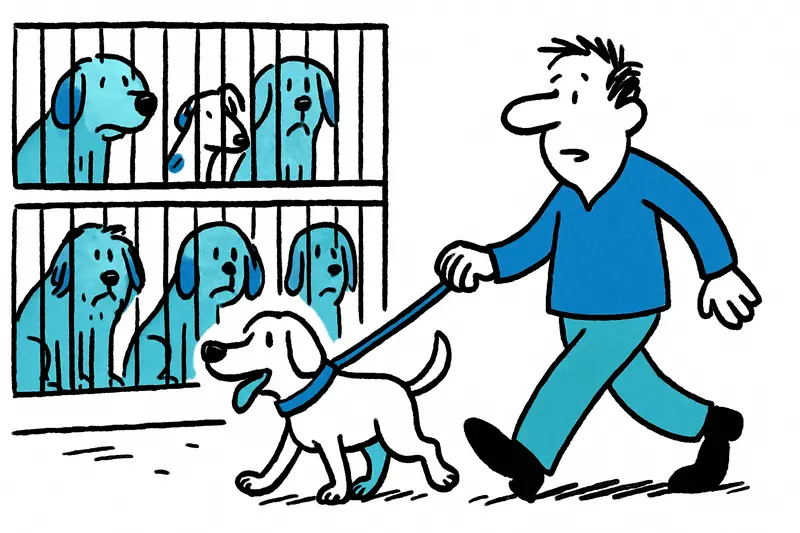
50 Dogs from Neglected Finca Start Anew at Son Reus Shelter
50 Dogs from Neglected Finca Start Anew at Son Reus Shelter
At the end of February, 50 dogs were rescued from a finca near Palma. After medical care at the Son Reus shelter they are ready for adoption. A look at daily life, the opportunities and how the island can help.
50 Dogs from Neglected Finca Start Anew at Son Reus Shelter
In the morning the gravel crunches at the entrance of Son Reus, somewhere a dog barks as it is being led on a leash. This is how the first day with a real perspective begins for many of the fifty animals that were taken from a finca in the municipality of Palma at the end of February. The operation on February 24, which involved the environmental police SEPRONA and staff from the regional Department of Agriculture, Fisheries and Environment, brought the dogs into safer hands.
The animals were brought directly to the municipal shelter Son Reus, where the veterinary team immediately launched a comprehensive care program. Each dog was clinically examined, dewormed, vaccinated and fitted with a microchip. For some dogs more extensive blood tests and screenings, such as for leishmaniasis, were necessary. Four animals that were in a weaker condition remained under observation until they were stable enough. According to those responsible, the remaining dogs are now in good physical condition.
Anyone who has passed Son Reus in recent days has probably noticed the lively soundscape: paws on asphalt, volunteers chatting, the smell of wet fur after cleaning. These small scenes show how much work goes into a rescue. Volunteers in rubber boots, keepers with pill boxes and the vets going over patient lists — that is the everyday reality you don't always see, but which determines whether an animal can be rehomed.
Since the Wednesday after the rescue, interested people have been able to visit the shelter, learn about the steps of a responsible adoption and make initial contacts. For many of the dogs this means a real chance for a new start: a quiet sofa, regular meals, people calling their names and smiling back. For the island this is also good news: the cooperation between authorities and veterinarians has prevented widespread suffering and shows that help on site works.
Of course it helps when people do more than think “how sad” and take action. Those who have space and time can adopt or step in as foster carers. Stories of new pets adjusting to family life are common, such as Warm Paws, Big Plans: The Robens, Their New Cane Corso and Villa Life in Mallorca. Others can donate, bring food or help with walks. Practical support from local vets or dog trainers is also needed — social projects like this rely on a network of professionals and neighbours.
Neighbourly engagement is a solution that works here: a network of volunteers, municipal services and private supporters. Much depends on public tips and timely action, as discussed in Neglected Horses in Son Gual: Why Animal Suffering on Mallorca Often Remains Hidden. Complementary longer-term measures such as intensified spay/neuter programs, regular checks of small businesses and information campaigns about pet care could help ensure fewer animals get into distress. In Mallorca that means bringing together smaller municipalities, municipal welfare and the many small acts of people on the ground, as highlighted by 30 Years of SOS Animal in Calvià: Between Birthday Cake and a Systemic Question.
The rescue of the 50 dogs is an example of how quickly things can change when professionals and volunteers pull together. Son Reus is currently the contact point for those interested; anyone considering giving a dog a future can get information there. And for those who cannot take an animal in immediately: it is often enough to give time, bring food or share the adoption listings. In the end it counts that twelve paws, fifty hearts and a whole team on Mallorca are now allowed to write a new story.
Practical note: The municipal shelter Son Reus accepts visitors for adoption consultations. Before a final adoption meeting the usual animal welfare and suitability checks are carried out to ensure dog and person are a good fit.
Frequently asked questions
What happens to rescued dogs at Son Reus shelter in Mallorca?
Can I visit Son Reus shelter in Mallorca if I want to adopt a dog?
What should I do if I want to help rescued dogs in Mallorca but cannot adopt?
How are dogs rescued from neglect in Mallorca usually prepared for adoption?
Where was the neglected dog rescue in Palma, Mallorca, handled?
Do rescued dogs in Mallorca get tested for illnesses before adoption?
Why is Son Reus an important animal shelter in Mallorca?
What can improve animal welfare in Mallorca after a rescue like this?
Similar News
Palma, Palma de Mallorca, Palma‑Mallorca: What is it really about?
The debate over the city's name is more than grammar: it concerns identity, law and branding policy. A sober reality che...
Warning to Bathers: Nipping Fish in Cala Major and Other Coves — a Reality Check
In Cala Major and several beaches around Mallorca, bathers report painful “nips”. Who are the animals, why are they gett...

Rental Car Theft in El Arenal: What This Incident Reveals About Our Gaps
A teenager steals a running rental car in El Arenal, flees on foot, climbs over walls and is caught by the Guardia Civil...

Red Rope in Palma's Library: What Helps Against Selfie Tourism — and What's Missing
Palma's city library cordoned off an area with a red rope to keep selfie tourism away from reading and working activitie...

Fort San Carlos: Museum, Harbor Dispute — and a Conflict That Demands Answers
The military museum at Fort San Carlos sits right on Palma's harbor, with unexpectedly quiet rooms filled with cannons a...
More to explore
Discover more interesting content

Can Cap de Bou

Townhouse Lleo 72
