
70 Bunk Beds in Sant Antoni: A Reality Check on Housing Shortages in the Balearic Islands
70 Bunk Beds in Sant Antoni: A Reality Check on Housing Shortages in the Balearic Islands
Inspections in Sant Antoni uncovered dozens of bunk beds. How is it that people sleep in overcrowded rooms for €300 — and what would really have to change?
70 Bunk Beds in Sant Antoni: A Reality Check on Housing Shortages in the Balearic Islands
Key question: How did it come to this — and why is police inspection alone not enough?
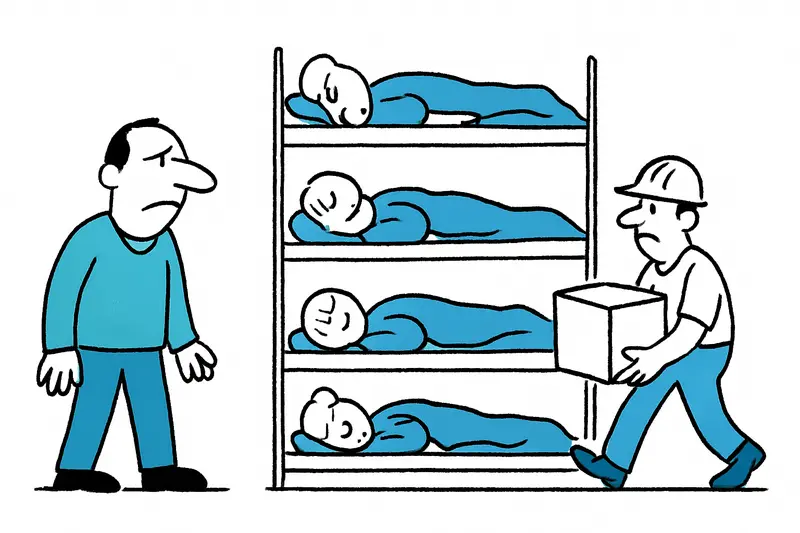
A few days ago inspectors in Sant Antoni discovered an accommodation with 70 bunk beds; in four other apartments roughly 30 bunk beds were counted in each, amounting to almost 200 sleeping places in just five properties. At least 20 people lived in the one building and paid about €300 per person per month. Authorities have recorded documents and are examining possible breaches of regulations on the use of living space. That sounds like a clear isolated case — but it is not; similar findings have been reported elsewhere, see Living on the Edge of the Law: Eleven Illegal Shelters in Manacor as a Wake-up Call.
The scene is easy to imagine: early in the morning, when the fishing boats still gently rock in the harbor and the smell of fresh coffee hangs over the promenade, vans push through narrow lanes and young people with hard hats and tools hurry to construction sites. In the same town, one street over, people sleep in bunk beds that offer hardly any privacy. The loud clatter of deliveries seems more incidental than the ongoing issue of housing.
In short: inspections are important, but they only reveal the tip of the problem. Looking at the facts — high demand for cheap accommodation, seasonal employment, a scarce supply of empty housing and the business of short-term rentals — reveals a system of pressure and opportunism. Landlords exploit gaps in the market; tenants with low incomes or seasonal workers have hardly any alternatives.
What is often missing from the public debate is a look at the economic structure behind it. The Balearic Islands are a triad of tourism, real estate profit and precarious working conditions. When apartments are treated as investment assets, there is less incentive to invest in long-term housing. At the same time, a booming short-term market creates displacement pressure on cheaper housing — the units that now end up being overcrowded; see When Living Rooms Become Bedrooms: How Mallorca Suffers from a Housing Shortage for related reporting.
Another blind spot: the perspective of those affected. In official reports they are often “residents” or “tenants,” rarely people with a name, a story, or an employment history. Without their voices, causes and consequences remain vague numbers: who works in restaurants, on construction sites or in cleaning services? Why do they accept a €300 bed instead of a proper posting or a regular rental contract? Answers to these questions would help develop targeted solutions; for broader context on street homelessness and structural gaps, see Mallorca's Streets Are Growing Longer: Why More Than 800 People Are Homeless and Nothing Solves It by Itself.
The inspections — in this case around 60 checked apartments — are a necessary response; see More inspections against illegal holiday rentals: Is money alone enough? for reporting on inspection efforts and debate about resources. But they are not enough if they are followed only by administrative records and potential fines. Whoever shuts down the rooms must simultaneously offer alternatives: emergency shelters, placement in socially subsidized housing or transitional assistance so that people do not end up on the street or in even more precarious conditions.
Concrete approaches that could work locally are not rocket science: first, a binding registration requirement for every rental including maximum occupancy, coupled with meaningful sanctions. Second, mobile advisory centers in tourist towns like Sant Antoni to inform tenants and assist with reporting. Third, targeted conversion of vacant tourist apartments into temporary social housing — with clear timeframes and financial support from the regional government.
We also need slow but effective changes in the housing supply: municipal housing construction programs prioritizing island workers, incentives for private investors to put money into long-term rentals, and pilot projects for cooperative housing that could scale well in the Balearics.
Inspections should become more technical: digital reporting channels, closer cooperation between municipalities, employment agencies and police, and regular audits of known “problem properties.” Short-term rental platforms must be required to provide information when apartments are being used permanently for multiple occupants. Data protection must not be used as an excuse when it comes to ensuring dignified accommodation.
Politically this requires the courage to make decisions that may be unpopular in the short term: capacity limits for tourist zones, stricter rules on property use and transparent reports on the effectiveness of fines. At the same time, social policy must not only react but put preventive measures in place — training places, fair wages and housing subsidies for the people who keep our hotels, restaurants and ports running.
One uncomfortable point is rarely spoken aloud: as long as it pays, some owners will find ways to circumvent regulations. The response must therefore be not only repressive but also preventive and attractive: support for conversions, tying tax incentives to conditions, and promoting temporary housing cooperatives.
Conclusion: The discovery of the bunk beds in Sant Antoni is not just a scandalous report but a symptom. Inspections are important, but they must not remain the only response. We need a mix of clear rules, practical help for those affected and the long-term expansion of affordable housing. Otherwise the next image of the harbor will be the same: boats rocking, deliveries clattering — and behind them people sleeping in cramped rooms because no one gives them a real choice.
What needs to be done now: take reporting channels seriously, plan alternative accommodation, register and sanction — and simultaneously create housing. Without these three steps the story will repeat itself.
Frequently asked questions
When is Mallorca's best time to visit for beaches and outdoor activities?
What should I pack for a Mallorca trip, considering the climate and sea?
Is it safe to swim in Mallorca’s seas, and what are the best beaches for clear water?
How do I get around Mallorca without a car?
What makes Palma worth visiting for a first-time trip?
How does the Sóller train experience feel and what to expect?
Is Valldemossa worth a day trip, and what is the scenery like?
What can I do in Alcudia and its nearby beaches?
Similar News

When the State Pays Late: Why Ryanair Is Now Claiming Interest from Spain
A court in Madrid has ruled that the state must pay interest to Ryanair for delayed reimbursements of the resident disco...

After Artmadams Dispute: Mesas to Design 4,000 Facades Worldwide – A Boon or a Problem for Mallorca?
According to agreements with a Chinese investor, Mallorcan artist José Luis Mesas will paint the facades of over 4,000 b...

Sticker Attack in Port d'Andratx: When Trouble Lands on Wheels
In Port d'Andratx, cars with foreign license plates were covered with anti-tourism stickers overnight. Why is the confli...

Madò Jerònia turns 109: Campos celebrates its sprightly great-grandmother
There is a celebration in Campos: Jerònia Coll Mesquida is 109 years old and is considered the oldest resident of the Ba...

Mites on Eggs, Cadavers Next to Living Chickens: Reality Check on the Poultry Farm near Manacor
Animal welfare advocates report hygiene deficiencies, earlier Salmonella findings and repeated fines. A critical analysi...
More to explore
Discover more interesting content

Can Cap de Bou

Townhouse Lleo 72
