

Madò Jerònia turns 109: Campos celebrates its sprightly great-grandmother
Madò Jerònia turns 109: Campos celebrates its sprightly great-grandmother
There is a celebration in Campos: Jerònia Coll Mesquida is 109 years old and is considered the oldest resident of the Balearic Islands. A portrait of everyday life, family and the small things that endure.
Madò Jerònia turns 109: Campos celebrates its sprightly great-grandmother
A woman, a walker, lots of music and the scent of Mallorca's cuisine
On Saturday, October 17, a small community hall in the neighboring town of Felanitx filled with voices, laughter and the soft clinking of coffee cups. There sat Jerònia Coll Mesquida, born in 1917, receiving birthday wishes from her family. 109 years — that is a remarkable age in the Balearic Islands, and people in Campos have been talking for days about the sprightly woman who is often simply called Madò Jerònia in everyday life.
You do not need to be a biologist to notice that what stands out about her life is not only her age but also the mix of the ordinary and the familiar: formerly a seamstress, at times a seller in a bakery, later decades working in the fields with her husband Sebastià — these are things you still see among carriers of tradition in the island's interior. She lost her husband in 1991. The marriage produced two daughters as well as four grandchildren and five great-grandchildren. That Saturday the family filled the tables and brought the warmth to a church without bells that rang only with the voices of the guests.
Jerònia can be found daily at the Campos day center. She spends a few hours there each day, plays bingo, sings old songs and is a familiar sight to the staff and the other visitors. That she no longer sees or hears well is part of the picture — but it does not stop her from taking pleasure in simple routines. With a walker she moves through her day in small, steady steps; it is an image that makes many in Campos smile because it testifies: aging means being here, not disappearing.
Of course the question is immediately asked: Is it the diet? The so-called Mediterranean diet with olive oil, vegetables, fish and bread? Jerònia likes the island's produce, the family says. That alone does not explain everything, but it is one piece of the puzzle: fresh food, little rush, neighborly help and daily movement — ingredients that appear in many stories about long-lived people. On Mallorca, where markets still smell of conversation and oranges and where old photographs open windows into another city reality, such a lifestyle becomes visible.
The municipality showed its respect: representatives from Campos and Felanitx came by to offer congratulations, a reminder of how local eateries and meeting places keep neighborhood life alive. Such visits are more than a formal gesture here; they are a sign that a small town cares for and honors its older residents. The staff at the day center also see Jerònia not only as a beneficiary of a service but as part of everyday life: she sings songs from earlier times, laughs when a bingo number is missing, and at the end of the day people leave with the feeling that they have shared something together.
It is the small scenes that remain: the morning sun on the Plaza de Campos, the shopkeepers slicing the bread, the distant tolling of a church bell when the weather allows, or the rustle of a newspaper page on a park bench. Such details show how everyday life and security form over decades, and they are echoed in local stories and art such as portraits on house walls that tell of neighbors and markets. And they explain why people like Jerònia are remembered: not for a single moment but for the sum of many small habits.
For the island such a story carries a simple message. First: older people are not a fringe group; they are bearers of culture, language and memories. Second: services like day centers work — they maintain contact, provide structure and enable participation. Third: communal celebrations, neighborhood ties and exchanges between young and old are part of the substance of Mallorcan villages.
What can we take from this? When we go to the weekly market in Campos, we can buy not only oranges and cheese but also see a piece of everyday care. Those with time can volunteer in facilities, simply listen or set tables at celebrations. Such small efforts are practical and tangibly effective. And for younger generations it is an invitation to build bridges: learn old songs, cook recipes again, write down stories.
Madò Jerònia herself remains unassuming. Her family describes her as full of life. Visitors, the day center, melodies from past decades and the familiar products of the island seem to be enough for her. In a world that often looks for spectacular solutions, this is almost a promise of freedom: a down-to-earth daily way of life can last a very long time.
At the end of the day, when the sun sets behind the hills of Campos and the voices of the celebrants linger for a long time, the image that remains is of an island community that cares for its elders. This is not a big project but lived everyday life — and perhaps that is precisely the most beautiful form of sustainability.
Outlook: Those who love the island can start by strengthening bridges between young and old. A visit to the day center, a phone call to an older neighbor or passing on a family recipe are small steps. And who knows: maybe one of our grandchildren will in a few years also be considered a living piece of island history.
Frequently asked questions
When is Mallorca's best time to visit for outdoor activities?
What should I pack for a trip to Mallorca, including beach days?
Are Mallorca's beaches safe for swimming and what should I watch for?
What are good ways to get around Mallorca?
What weather should I expect in Mallorca across the year?
What language is spoken in Mallorca and how can I get help as a visitor?
What kind of activities or day trips are popular in Mallorca?
Are there local etiquette tips or safety tips I should know for Mallorca?
Similar News

Sticker Attack in Port d'Andratx: When Trouble Lands on Wheels
In Port d'Andratx, cars with foreign license plates were covered with anti-tourism stickers overnight. Why is the confli...
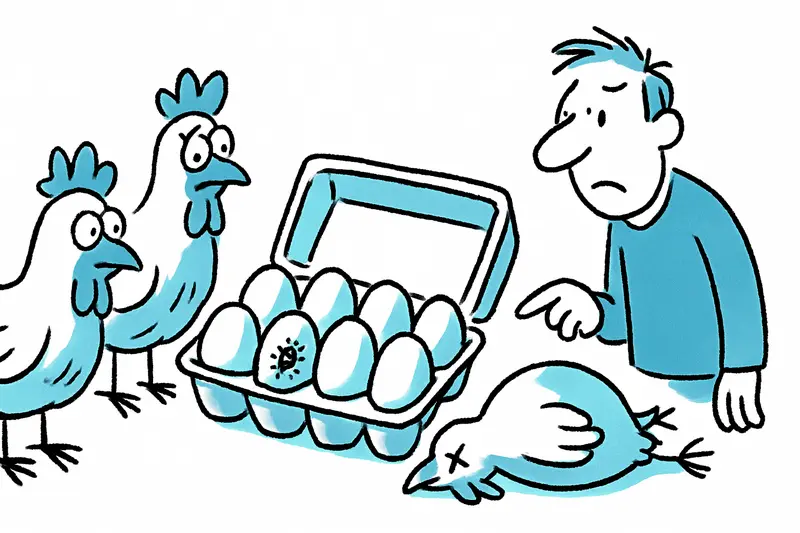
Mites on Eggs, Cadavers Next to Living Chickens: Reality Check on the Poultry Farm near Manacor
Animal welfare advocates report hygiene deficiencies, earlier Salmonella findings and repeated fines. A critical analysi...

Mallorca closes bank counters — how tourists and residents can access their money now
Since 2008 more than two-thirds of bank branches in the Balearic Islands have disappeared. People without smartphones or...
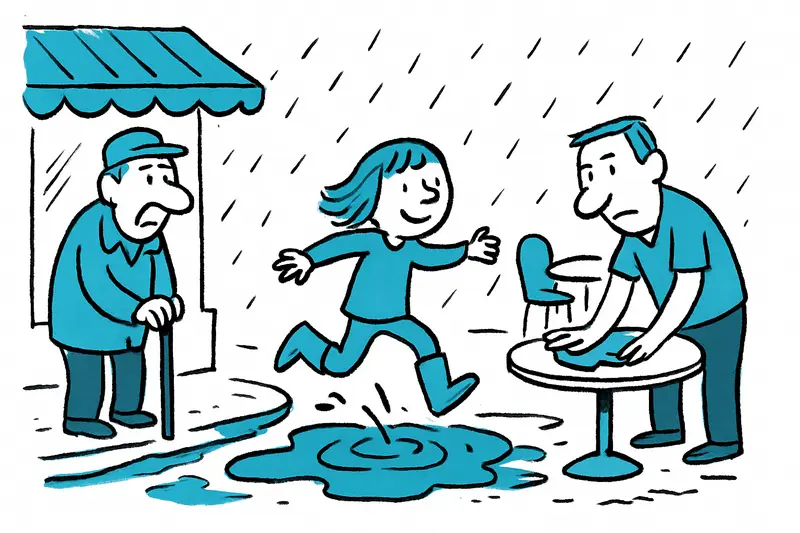
Dana 'Adam' Lets the Puddles Speak – A Reality Check After the Heavy Rain
Heavy rain in Palma and parts of Mallorca frayed nerves again. Key question: How effective are warning systems, drainage...
Dana 'Adam': Why the Spanish mainland was hit harder — and what Mallorca must learn
Four dead, flooded towns and locked-down municipalities: Why did Dana 'Adam' cause more damage on the mainland than in M...
More to explore
Discover more interesting content

Can Cap de Bou

Townhouse Lleo 72
