
Dana 'Adam' Lets the Puddles Speak – A Reality Check After the Heavy Rain
Heavy rain in Palma and parts of Mallorca frayed nerves again. Key question: How effective are warning systems, drainage and emergency plans really? A critical look with concrete proposals.
Dana "Adam" Lets the Puddles Speak – A Reality Check After the Heavy Rain
Key question: Are we adequately prepared for such weather events?
On Tuesday morning you could hear the drum of rain on the roller shutters in Palma, the slap on café awnings and the gurgle as water searched for the storm drains – except that some drains could no longer find a way out. In some old-town alleys the rainwater didn’t just run off, it pooled and pushed along sand and leaves, as if the island briefly showed its bass-heavy side. Temperatures stayed subdued, with 15 to 16 degrees measured at night and many places failing to climb above a tolerable 23 degrees during the day, and the probability of rain in the morning put many on maximum alert, as described in Severe weather alert in Mallorca: Are we prepared for the deluge?.
In short: the Dana, internally nicknamed "Adam", once again showed that heavy autumn downpours in the Balearics are not a theoretical scenario. But how well do our preparations actually work?
Critical analysis
Meteorological services had forecast the situation; warnings were issued, including an Orange alert in Mallorca: Why the rain exposes our weaknesses. That is the first level. The second level is the urban system: sewers, street drainage, heavy-rain concepts. Flooding occurred in several places – from small local streets to main roads, as detailed in After the Thunderstorm: Flooded Streets, Mudslides and the Big Question About Mallorca's Preparedness. That does not automatically mean the systems are defective, but it shows one thing: either capacity or prevention is insufficient. Added to that is the question of communication: when the probability in the morning is almost one hundred percent, many rely on public services. Yesterday’s experience shows that there can still be gaps in coordination between early warnings, practical protection (sandbags, barriers) and rapid deployment.
And then the overarching theme: infrastructure in a changing climate. Such events will become more frequent; that means not only more rain in a shorter time but also greater stress on sewers, pumping stations and shoreline areas, a trend covered in Restless week in Mallorca: How well is the island prepared for heavy rain?. Islands are particularly vulnerable because space and natural buffers are often limited.
What is missing in public debate
There is a lot of talk about the next hour and the next day, and less about medium- and long-term adaptation. Three aspects are often missing: first, a clear prioritization of weak spots (which streets flood regularly?). Second, transparent figures on the capacity of storm drains and pumping stations. Third, the involvement of neighborhoods: residents know their streets and basements – why isn’t this knowledge used systematically?
An everyday scene from Palma
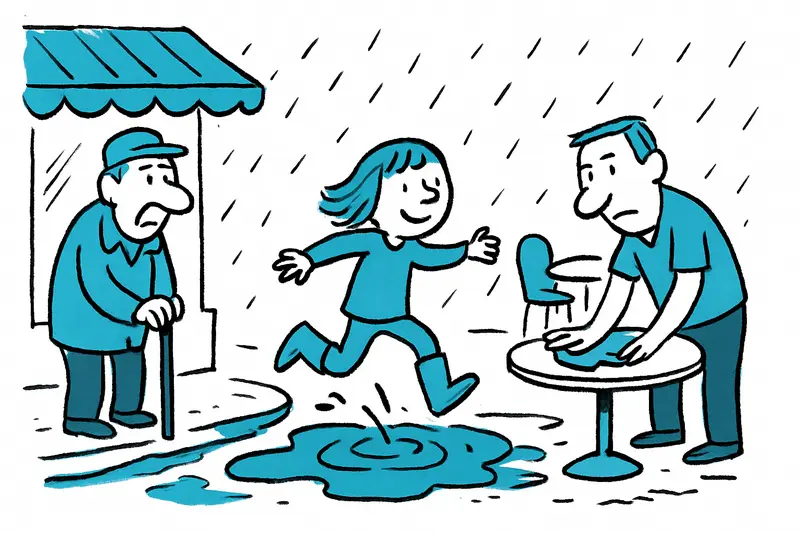
Imagine: around 8 a.m., the Paseo near the cathedral. An elderly man stands under the awning of a bookstore as torrents of water roar down the cross street. Children in colorful rain boots carefully hop over a small stream while a restaurant owner wipes tables with a towel. The smell of wet stone mixes with espresso and the persistent sound of cars driving more slowly. Such scenes are both banal and unsettling – they show how close everyday life and states of emergency can sometimes be.
Concrete solutions
1) Prioritized inspections: Municipalities should maintain an annual list of “critical streets” with clear renovation targets for drainage and sewer systems. 2) Mobile retention areas: design parks and open spaces so they can temporarily absorb water during heavy rain (permeable surfaces, depressions). 3) Early warning and everyday communication: alongside official warnings, neighborhood networks and SMS alerts for older people and businesses are needed. 4) Rapid access to funds: an emergency fund for short-term barriers, sandbag actions and pumps, available to municipalities on request. 5) Long term: green spaces, reforestation in catchment areas and renaturation of streams to slow runoff.
What anyone can do
Are you a homeowner or business operator? Then check basement drains, keep mobile barriers ready or store sensitive goods at a higher level. Do you live on a potentially vulnerable street? Exchange phone numbers with neighbors, agree on meeting points and small emergency procedures. Such neighborhood help is often the fastest response before larger forces arrive.
Concise conclusion
Yesterday’s showers revealed nothing revolutionary, but everything accelerating: our island can cope with heavy rain if it is prepared. We have not yet reached the point where every puddle is a catastrophe, but we sit on a mix of familiarity and vulnerability. The question we must answer is not only meteorological but also political and practical: do we want the next bad-weather series to surprise us again – or do we invest now in smart, local solutions that keep a few puddles from becoming street rivers? If the answer is yes, then we start tomorrow: with inspections, neighborhood plans and a fund that does not have to be approved only when the water is already at the doorstep.
Frequently asked questions
How should Mallorca municipalities prepare for heavy autumn rainfall and flooding?
What did the recent heavy rain reveal about rainwater management in Palma and the Balearics?
Why is neighborhood involvement important in Mallorca's flood response?
What can homeowners or businesses in Mallorca do to prepare for heavy rain?
What long-term changes are suggested to reduce flood risk on Mallorca?
How does climate change relate to rainfall and flooding in Mallorca?
What is the role of weather services and warnings in Mallorca’s flood preparedness?
What does a typical early-morning scene look like in Palma during heavy rain?
Similar News

Sticker Attack in Port d'Andratx: When Trouble Lands on Wheels
In Port d'Andratx, cars with foreign license plates were covered with anti-tourism stickers overnight. Why is the confli...
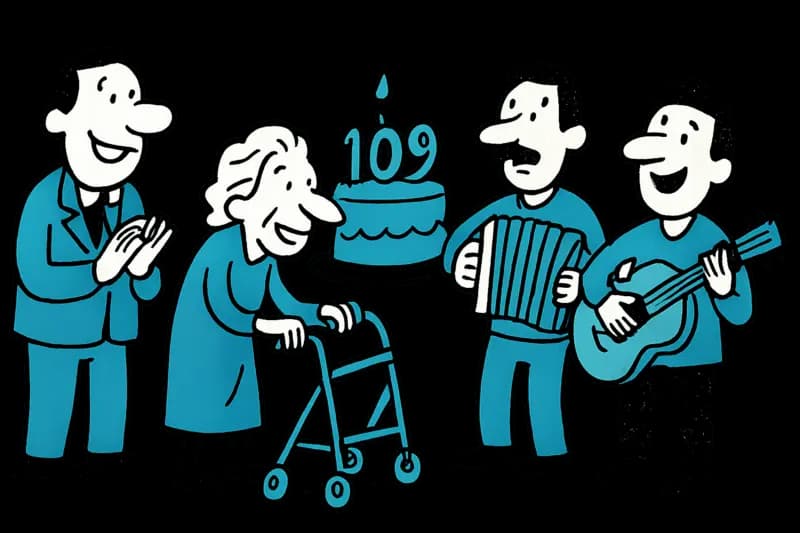
Madò Jerònia turns 109: Campos celebrates its sprightly great-grandmother
There is a celebration in Campos: Jerònia Coll Mesquida is 109 years old and is considered the oldest resident of the Ba...

Mites on Eggs, Cadavers Next to Living Chickens: Reality Check on the Poultry Farm near Manacor
Animal welfare advocates report hygiene deficiencies, earlier Salmonella findings and repeated fines. A critical analysi...

Mallorca closes bank counters — how tourists and residents can access their money now
Since 2008 more than two-thirds of bank branches in the Balearic Islands have disappeared. People without smartphones or...
Dana 'Adam': Why the Spanish mainland was hit harder — and what Mallorca must learn
Four dead, flooded towns and locked-down municipalities: Why did Dana 'Adam' cause more damage on the mainland than in M...
More to explore
Discover more interesting content

Can Cap de Bou

Townhouse Lleo 72
