
74-year-old with 44 kilograms of cocaine on the ferry: Why the case is more than a lone actor
74-year-old with 44 kilograms of cocaine on the ferry: Why the case is more than a lone actor
A 74-year-old was arrested in the port of Palma: investigators found 44 kilograms of cocaine in a double vehicle floor. A drug-sniffing dog and a spot check uncovered the smuggling. What this find reveals about gaps in checks and the practices of criminal networks.
74-year-old with 44 kilograms of cocaine on the ferry: Why the case is more than a lone actor
Arrest at Palma port – a drug-sniffing dog makes the difference
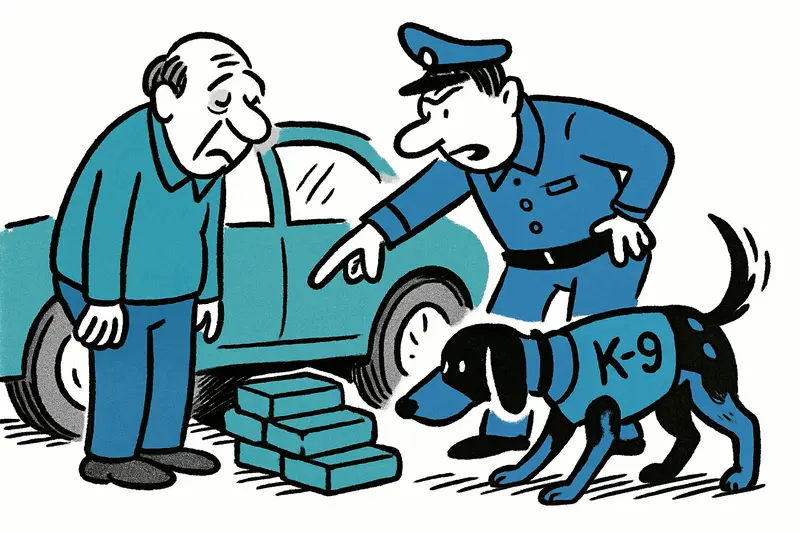
On a cold January morning, as ferries from Barcelona docked in the port of Palma and the sound of the waves slapped against the quay, officers stopped a vehicle during a routine check. A drug-sniffing dog alerted; a quick look under the car revealed a professionally made cavity beneath the vehicle floor. In total, authorities reported 38 packages with a gross weight of around 44 kilograms – a rapid test on site indicated cocaine. The driver, 74 years old, was arrested. Officers also found €5,200 in cash on him. The estimated street value of the cargo was put at about €1.18 million, a finding also reflected in Drug discovery on a ferry from Barcelona: Three arrests in Palma.
The inspection was part of a joint operation by the Guardia Civil and the Spanish Customs and Tax Agency. Vehicles were checked at random, and a dog was deployed. Those are the hard facts. What the report exposes is more than a well-hidden package: it points to questions we must ask as a society and as an island community.
Key question: How can a vehicle carrying such a large drug load reach Mallorca via established ferry connections – and why was it a 74-year-old who came into focus?
The answer cannot be explained solely as “luck for the authorities.” There are patterns: criminal networks often rely on people who attract less suspicion – older drivers are perceived as less conspicuous. At the same time, vehicle hides like double floors are being built increasingly professionally. Spot checks in ferry traffic are important but rarely so comprehensive that they detect every manipulation; similar local enforcement actions, such as Traffic stop in Palma: 171 pills, two arrests – how safe are our streets?, show the variety of methods used to intercept illicit consignments. A dog finds what modern technology sometimes overlooks; conversely, targeted investigative work can reveal vulnerabilities.
What is often missing in public discourse are two things: first, a clear depiction of how the route structure and logistics of such transports are composed; second, concrete information on whether the arrest points to a larger organization or whether this was an isolated, instigated individual. Companies and authorities at both ends of the route – in Barcelona and Palma – exchange data, but investigative details usually remain internal for reasons of effectiveness. The public is then left with a vague concern: are the checks sufficient?
A scene at the port creates immediacy: the smell of diesel, the horns of the ferries, early-morning workers taking coffee breaks on the mole. Here, among travelers with bikes and carry-on luggage, customs officers, Guardia Civil personnel and dog teams often work without much notice. Their work is a puzzle of routine and chance. When a dog alerts, the result is visible. But how often are other potential transports overlooked because of a lack of time, personnel or technology?
Concrete solutions are possible and tangible. First: better technical equipment at ferry and port checkpoints – targeted tools such as underbody scanners for suspicious vehicles could reveal manipulations more quickly. Second: expansion of K9 teams and regular training rotations, because dogs often make the difference. Third: more intensive data analysis of ticket bookings and vehicle movements; unusual booking patterns (for example last-minute tickets, foreign license plates, unusual transfer periods) should trigger automated signals for checks. Fourth: strengthened cross-border cooperation – the exchange of leads between ports about routes, suspicious workshops and person profiles. And fifth: a social perspective – older people who are used as couriers need attention; families and neighbors should be informed about warning signs without falling into prejudgment.
Practically, this means: authorities could combine visual inspections at fixed points with random checks, involve shipping companies and ferry operators more intensively, and proactively strengthen local police units in ports. At the community level, awareness helps: a neighborhood that notices unusual repairs to vehicles can supply tips. Rapid forensic analysis of the seized material and careful tracking of the money trails are also crucial to uncover larger structures, as dramatic past finds remind us, for example Half a Tonne of Cocaine at Playa d'en Bossa: Who Benefits — and What Must Change?.
In short: the arrest of a 74-year-old with 44 kilograms of cocaine is not a minor footnote but a warning sign. Not every successful check is a symptom of a fully functioning system; often it is the result of individual fortunate circumstances and dedicated officers. If we want such coincidences to become rarer, investments are needed in technology, personnel, data work and a vigilant eye on our streets and ports.
Conclusion: The port of Palma remains busy and loud; the ferries bring tourists, commuters and goods. That criminal elements enter this picture is a problem for everyone. Controls worked this time. The better question is: how do we ensure that next time the dog is not the only one to raise suspicion?
Frequently asked questions
How do ferry port checks in Mallorca catch hidden drugs?
Why are drug traffickers sometimes using older drivers in Mallorca?
What does a hidden double floor in a car mean in drug smuggling?
Are ferry arrivals in Palma checked at random or every vehicle inspected?
What should families in Mallorca watch for if someone may be used as a courier?
What makes Palma port an important point for drug enforcement?
What happens after cocaine is seized at Palma port?
How can Mallorca reduce drug smuggling through ferry traffic?
Similar News
Why the End of "Los Últimos Mohicanos" Is More Than the Closing of a Bar
With squealing tires and one last glass, an icon on the Palma–Manacor expressway closes. Why the demise of this German b...

Protest camp on Plaza España: Who asks for solutions to the right to housing?
Around 30 activists set up a tent camp on Palma's Plaza España to push for stronger tenant rights. Our analysis asks: Ar...

In the Name of a Gang: Alleged Extortion in El Molinar and What It Reveals About the Protection of Sex Workers
A man is accused of posing as a member of the Hells Angels and extorting two women at accommodation in El Molinar. The s...

When Chile Meets the Mediterranean: A New Flavor at Can Bordoy
At Can Bordoy in Palma's old town, Chilean chef Jhonatan Maldonado combines Patagonian seafood with Mediterranean island...

End of an Era on the Ma-15: Why the Biker Hangout at Son Gual Is More Than Just a Restaurant
"Los Últimos Mohicanos" closes unexpectedly. A meeting place for motorcyclists on the Palma–Algaida border is disappeari...
More to explore
Discover more interesting content

Can Cap de Bou

Townhouse Lleo 72
