
Alarm at Ballermann: Why the Promenade is Becoming Overgrown
Alarm at Ballermann: Why the Promenade is Becoming Overgrown
Residents at Playa de Palma see decayed green strips, dried Washingtonia palms and waist-high weeds. The announced million-euro investments raise questions.
Alarm at Ballermann: Why the Promenade is Becoming Overgrown
At Playa de Palma, where the promenade is usually filled with the clack of high heels and Spanish pop music, this summer a different sound mixes in: the rustle of dry palm fronds and the grinding of a street sweeper that comes too rarely. Residents report metre-high weeds, sand accumulating on sidewalks, and Washingtonia palms visibly losing condition. One resident in particular, Francisco Gomariz, has publicly criticized the situation and is asking where the funds intended for maintenance have gone.
Key Question
Who ensures that the money and the work are not just on paper, but actually restore the promenade to a walkable, green condition?
Critical Analysis
The facts are on the table: according to a statement, the Balearic government has approved a sum of more than €817,000 for the tree stock and the redesign of the flower beds along the beach promenade; about €342,664 are budgeted for all 60 planters. Nevertheless, residents report visible neglect. This points to an organizational problem – not necessarily a lack of money, but gaps in personnel planning, implementation and control. Regular vehicle runs, as have been observed, do not replace hands to pull weeds, sweep sand or properly prune sick palms.
What Is Missing in the Public Discourse
The debate so far revolves around numbers and announcements. Missing is the question of responsibilities: who holds the maintenance contracts? How often are inspections carried out? Is there monitoring of the irrigation systems and a transparent accounting of material and personnel costs? Equally rare is a discussion on climate adaptation: Washingtonia palms are sensitive to prolonged drought stress and saline soils – this is not merely a cosmetic issue but an ecological and urban infrastructure concern.
A Daily Scene from Palma
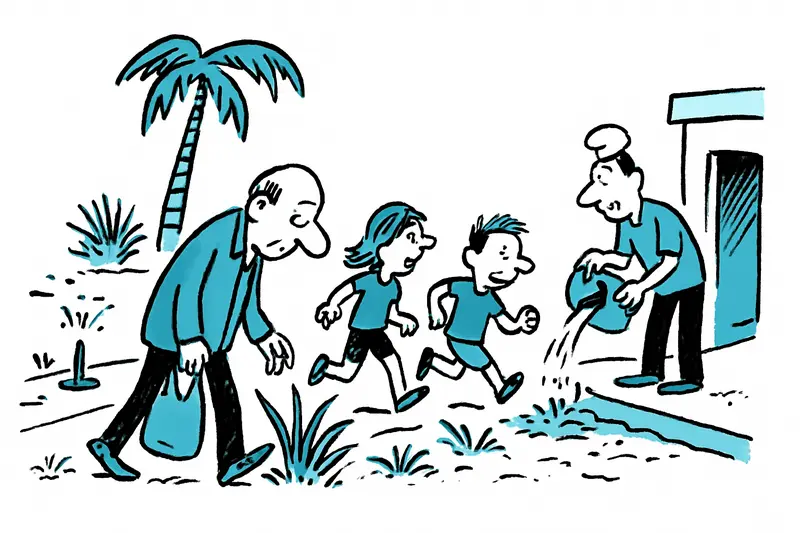
Shortly before noon on the promenade: an elderly man with a shopping bag steps around a stalk of weed, two children jump over dried-out mulch beds, a café worker pours sand from a bucket in front of his door. The sun beats down from the sky, the irrigation system is running, but in some places the drippers are detached or apparently have not been replaced for days. Such scenes repeat along several stretches and shape the feeling: this is not only a lack of greenery, it is a lack of maintenance.
Concrete Solutions
1) Immediate action: mobile task teams for two weeks to remove weeds, clean sidewalks and check all drippers in the irrigation systems. 2) Create transparency: publish maintenance schedules, the contractually guaranteed hours, and expenditures for materials and personnel. 3) Long term: reorient planting toward resilient, native species and upgrade irrigation technology with moisture sensors to use water targetedly and efficiently. 4) Citizen involvement: sponsorships for planters and regular “plant checks” by neighborhood groups in cooperation with municipal gardeners. 5) Control mechanism: independent auditing of the funds used and a mandatory success check six months after project start.
Pointed Conclusion
The palms at Ballermann stand not only for a piece of tourism image but also indicate municipal capacity to act. The funds provided are a start, but without personnel, transparency and adaptation to climatic conditions they remain promises on paper. Those who do not visibly invest now in maintenance and structure risk that the promenade will be remembered not as a showcase but as an example of missed opportunities.
Frequently asked questions
What is the best time of year to visit Mallorca for good weather and outdoor activities?
Can you get around Mallorca without a car, and what are your options?
What should I pack for a Mallorca trip?
Is the water in Mallorca suitable for swimming, and when is it warmest?
What are good day trips from Palma to see more of Mallorca?
What languages should I expect in Mallorca, and will English help me get by?
Are there family-friendly beaches and activities suitable for kids in Mallorca?
What should I know about local customs and etiquette when visiting Mallorca’s towns?
Similar News

Orange Alert for All of Mallorca: How Prepared Are We Really?
Aemet has raised the warning to orange: thunderstorms and heavy rain may hit the island. A critical appraisal — what's m...
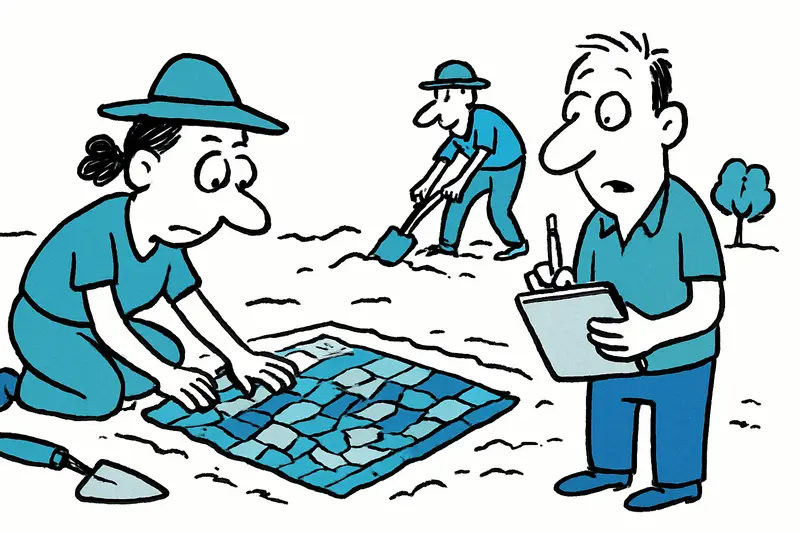
New Roman Floor in Son Sard: A Piece of Mallorca Revealed
During this year's excavations in Son Sard (Son Servera), archaeologists uncovered an opus signinum floor — the first ev...

Early autumn flirt in Mallorca: Iris Katzenberger begins a quiet love chapter with a partner 22 years younger
Iris Katzenberger (59) has a new man by her side after several relationships: 37 years old, private, they met at a priva...
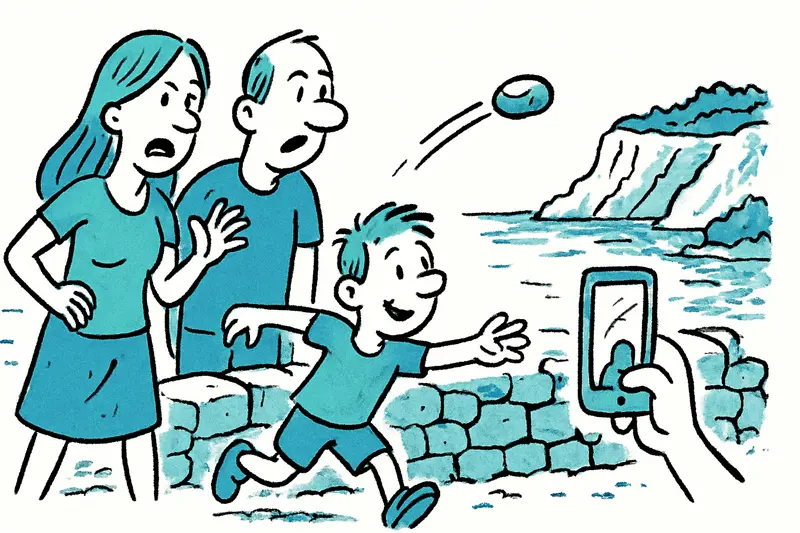
"We do what we like" — Stones, social media and the disappearance of respect at Es Colomer
At the Es Colomer viewpoint, tourists tore stones from a dry-stone wall, filmed it and spread the footage on social medi...
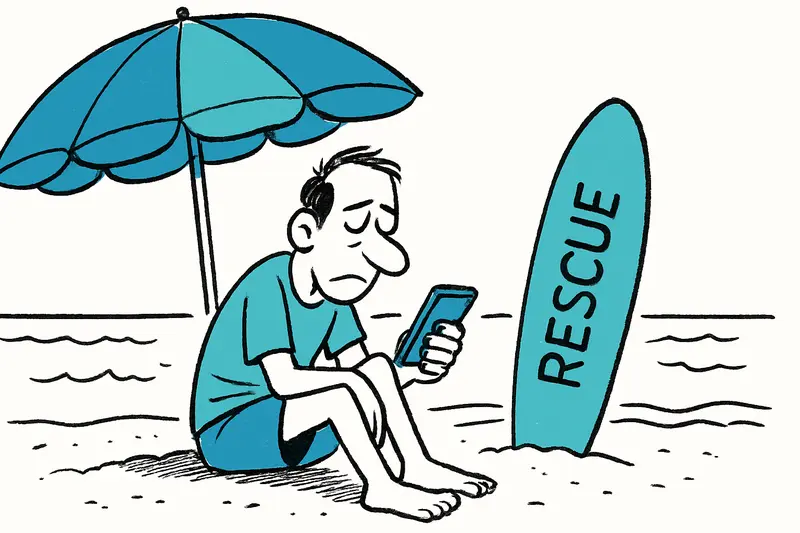
When Rescuers Stand Down: Why the Lifeguards' Strike in Calvià Is More Than Just a Loud Bang
Lifeguards in Calvià have called a strike for August 23. What's behind the conflict, what risks are looming — and what i...
More to explore
Discover more interesting content

Boat Tour with BBQ along Es Trenc Beach

Private transfer from Mallorca Airport (PMI) to Pollensa
