
Almost into the Trap: How an Alleged Dream House in the Canary Islands Became a Warning for Emigrants
Almost into the Trap: How an Alleged Dream House in the Canary Islands Became a Warning for Emigrants
A house visit, a failed online payment and a coincidence saved a family from fraud. What people planning to emigrate should know now.
Almost into the Trap: How an Alleged Dream House in the Canary Islands Became a Warning for Emigrants
Key question: How can the search for a home on the islands be prevented from turning into a scam?
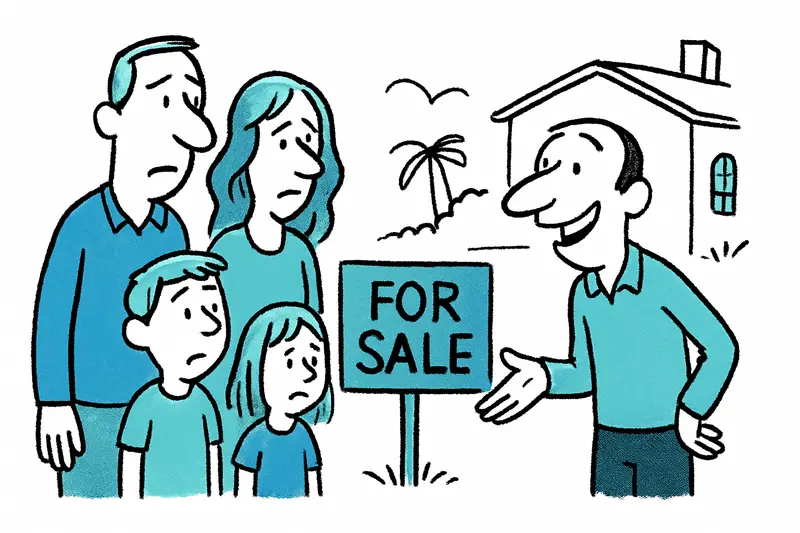
The case is quickly told and yet typical: a well-known German family with three children is looking for a home in the Canary Islands, a listing seems perfect, there is an on-site viewing appointment, and friendly messages from the supposed owner. A payment as a booking deposit was meant to secure the deal, and similar incidents are described in Suddenly Without a Finca — Payments Missing. Luck or misfortune — technical problems stopped the transfer. Later, conversations with other affected people revealed that the offer had characteristics of a fraudulent scheme.
I can picture it: the smell of the sea, the creak of the shutters in the afternoon breeze, already imagining moving boxes. On Mallorca, on Passeig Mallorca, I often hear similar stories at kiosks while the ferries come and go. People who move because they dream of postcard idylls then run into forms, foreign accounts and feigned urgency, and even fall for rental offers on Facebook & Instagram.
Critical analysis: Why do these schemes work? First: emotions. When a house "looks so beautiful" and the price seems "too good", the brain switches to quick decision mode. Second: digital fake documents. Phony listings copy real photos, fake profiles provide voice recordings. Third: gaps in account verification and the willingness to send money before a notary or the land registry is involved.
What is often missing in public debate: concrete, easy-to-apply verification steps. Headlines warn of fraud, but seldom explain how a purchase process in Spain can be legally secure. Many people intending to emigrate do not know that the legally binding transfer of ownership in Spain goes through the notary and the Registro de la Propiedad (Land Registry). A written rental contract or an Airbnb booking does not replace checking the land registry entries; for detailed advice see Legally Secure in Mallorca: Why Legal Guidance for Property Purchases Is Not a Luxury.
Everyday scene from Mallorca: at the Sunday market in Sineu I see vendors reading real estate ads on the bulletin board with a critical eye. An older woman leans over and whispers: "Patience is everything." She no longer likes to climb the 76 steps to her house, but she knows every neighbor and checks every bill. This local caution is often the best protection against snap decisions.
Concrete solution approaches (practical and immediately applicable): 1) Demand the property entry number in the Registro de la Propiedad and check it; 2) Do not agree to payments into private accounts without a notarized agreement; 3) Hire a local, German-speaking lawyer or an abogado to review contract documents; 4) Verify the identity of the owners with a valid ID and notarized certification; 5) Use escrow accounts (cuenta de depósito) or a notary escrow for serious purchase intentions; 6) Look for testimonials from neighbors or other buyers, not only glowing online reviews; 7) If in doubt, inform the Policía Nacional or the Guardia Civil and file a criminal complaint.
For families who, like the described one, started with little space: consider alternatives. Instead of buying immediately, seek extended rental contracts, shared housing or temporary local solutions. Small houses in less touristic villages can often be taken over more securely because neighbors keep an eye on local affairs.
What authorities and platforms could improve: simple verification buttons on real estate portals that link to the land registry; mandatory identity checks for advertisers; more visibility for official advisory services on the islands. It's not only technology that's missing here, but also low-threshold advisory services for newcomers.
A few practical rules of conduct for the islands: be suspicious of time pressure, document every communication, take screenshots of listings, verify recipient accounts and insist on seeing a notarized declaration before making payments. And yes: ask the neighboring family on the street how things really are. Local eyes often see things that remain hidden online.
Conclusion: the near-fraud reveals two things at once: the creativity of criminals and the vulnerability of people starting a new life; for an example of alleged large-scale fraud see Arrest in Santanyí: How vulnerable is Mallorca's real estate market to fraud?. This mix is dangerous. Those who proceed with clear procedures, local contacts and legal support greatly reduce the risk. For everyone moving to the islands: trust is important, but verification is indispensable. With open eyes, you can find dream houses — just make sure to read the fine print first.
Frequently asked questions
How can I protect myself from real estate scams when searching for a home in Mallorca?
What are the essential legal steps for a safe property transfer in Spain?
How can I verify a Mallorca real estate listing is legitimate?
What role do escrow and notaries play in serious Mallorca property deals?
What warning signs should I watch for in Mallorca real estate listings?
If I suspect a scam while buying in Mallorca, what should I do?
Are there safer housing options for newcomers to Mallorca if I need flexibility?
What practical habits can help newcomers avoid fraud while settling in Mallorca?
Similar News
Released with Conditions: The Plus Ultra Suspicion and a Mallorcan Finca as Residence
A Dutch entrepreneur, sought in connection with the Plus Ultra case, was extradited to Spain after his arrest in Germany...

Haute Nuit in Puerto Portals: Fashion, Art and Indulgence by the Water
On October 2 the Lobster Club in Puerto Portals will be transformed into a stage for curated fashion, art and culinary e...
Magaluf: Watchtower Alarm – Lifeguards Pull Unconscious Beachgoer from the Water
After a drama in the late afternoon, two lifeguards at Magaluf beach rescued an unconscious 44-year-old man. He was stab...
Turquoise in the City: How dangerous is the color play of the Sa Riera?
The Sa Riera in Palma suddenly turned turquoise — a pretty motif, but behind the effect lies a discharge of saline waste...

Jeckliner at Sunnesching: Cologne spirit sets sail from Palma
In September 2027 the Mein Schiff 2 briefly becomes a floating carnival stage: four days with Cologne bands, comedy and ...
More to explore
Discover more interesting content

Can Cap de Bou

Townhouse Lleo 72
