
It Stinks to High Heaven: How Andratx Can Explain, Understand and Solve Its Waste Problem
It Stinks to High Heaven: How Andratx Can Explain, Understand and Solve Its Waste Problem
New door-to-door collection, smaller bins and fewer containers — the municipality's approach is causing overflowing streets, odors and pest pressure in Andratx. A critical assessment and concrete everyday solutions.
It Stinks to High Heaven: How Andratx Can Explain, Understand and Solve Its Waste Problem
Guiding question: Why has a switch to door-to-door collection in Andratx led to visible piles of rubbish and health risks?
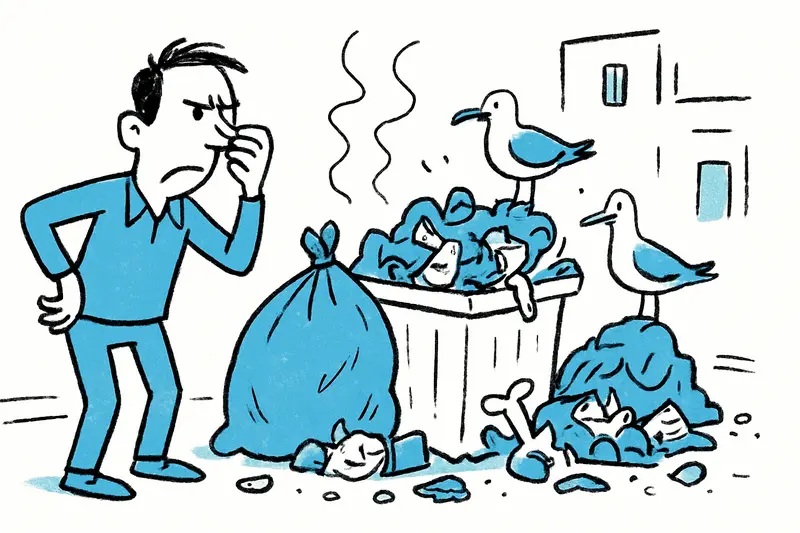
If you walk along the road to the port of Andratx on a hot morning, instead of the clatter of boats you now hear the rustle of plastic bags and the squeak of garbage trucks. On the corner by Carrer del Port, bags stand next to a tiny white bin, seagulls peck at exposed organic waste, and an unpleasant smell drifts from narrow driveways into the alleys. The issue is clear: the new collection logic is not working as planned — and people here see and smell the consequences every day.
The most important facts visible on site: the municipality has largely removed larger street containers and introduced a door-to-door collection with small white bins; different fractions are supposed to be emptied on certain days. Residents complain that the new containers are too small, the collection often lacks the necessary frequency, and as a result waste ends up at remaining collection points or street corners. Similar scenes have prompted protests elsewhere, as reported in Trash Chaos in s'Arenal: Residents Mobilize — Demonstration in Front of the Town Hall. In hot weather the situation quickly worsens: odors, flies, occasional cockroaches and an increased risk of hygiene problems.
Critical analysis
Creating a shared household waste system is not a crime in itself. The problem lies in the combination of planning, communication and capacity. A municipality can expand waste separation, but if volume, collection rhythm and user habits are not taken into account, displacement effects occur: people look for the next-largest containers — or simply leave the rubbish next to the bin. In places with many holiday homes and second residences like Andratx, additional volume arises that does not always appear in local forecasts.
Organizationally, much points to a misjudgment: there seems to be a lack of realistic estimates of daily waste volumes in the high season, flexible capacities for weekends and holiday periods, and a clear plan for bulky waste. The needs of older residents or families with busy work schedules were apparently not sufficiently considered either: separating waste into five fractions requires time and space — two resources not everyone has. Problems with separation in practice have surfaced elsewhere; see Marratxí: When separated bags end up in the same truck — video causes uproar in Carrer Major for an example of public reaction.
What is missing in the public discourse
The debate so far revolves too much around blame — "some" removed containers, "others" criticize the implementation. Hard data are missing: how much waste is actually generated and where? What collection frequency was planned, and how often is it met in practice? There is also little public discussion about transitional measures for particularly affected streets and households. The question of enforcement (who notices illegal disposal and how is it sanctioned?) is hardly addressed.
Everyday scene from Andratx
A typical image: the market vendor on Plaça d’Espanya who needs to get rid of large plastic crates after packing up; tourists taking out cardboard cups and leftovers late at night; an elderly lady on Calle Mayor who cannot reasonably store six different bags. The next morning several spots are overfilled. These small, recurring scenes explain why individual problems quickly become visible, town-shaping chaos.
Concrete solution approaches
1) Short term: reinstate additional collection points in particularly affected streets and schedule regular extra pickups during the summer months. A temporary increase in emptying frequency quickly reduces odor and pest problems.
2) Medium term: offer larger household containers for families and multi-person households; alternatively, provide centrally accessible large containers with security and hygiene measures (e.g., lockable container stations with regular cleaning).
3) Communication and assistance: a clear waste calendar, information slips for newcomers, mobile info teams at weekly markets and hotel hubs. Special support offers for older people (pickup service from the building entrance) would relieve pressure.
4) Data and enforcement: short-term measurements of waste volumes, publicly accessible reports and a hotline for overfilled stations. Sanctions against illegal dumping should be combined with education and incentives (e.g., deposit schemes for certain packaging or tiered fees for bulky amounts).
5) Think sustainably: expand decentralized composting sites for organic waste and cooperate with restaurants and markets on pre-treatment of organic material to reduce volume and odors.
Conclusion — pointed
Andratx has the right intention if the municipality pursues waste separation and clean streets. But good intentions need good logistics. A system that overwhelms people in everyday life or underestimates capacity leads to the opposite: dirty corners, health concerns and reputational damage for a place that wants to live from its harbor and cobbled streets. The municipal administration can mitigate this in a few steps — it simply has to recognize the real situation on the ground, make short-term adjustments and treat citizens as partners rather than as students; similar pressure from hoteliers has forced rapid responses elsewhere, for example Garbage Heaps in s'Arenal: Hoteliers Demand Rapid Help — and Turn Up the Pressure. Then the pile of rubbish will become a clean island street again.
Frequently asked questions
When is the best time to visit Mallorca for beach weather?
What should I pack for a Mallorca trip?
Is it okay to swim in Mallorca's sea year round?
What are practical ways to get around Mallorca without a car?
Are Mallorca's beaches suitable for families?
What should I know about Mallorca's weather in spring?
Where can I experience Mallorca's culture without going far from the coast?
What safety tips should I keep in mind on Mallorca's beaches?
Similar News
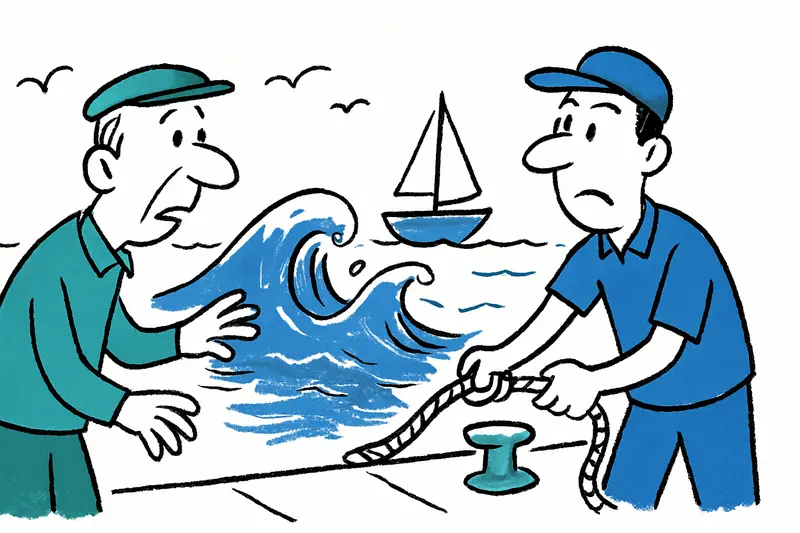
Mini-tsunamis in Mallorca: Harmless natural phenomenon — or an underestimated danger?
Two harbor towns in Mallorca recorded unusual water level fluctuations. An analysis: How rissagas form, who is at risk —...
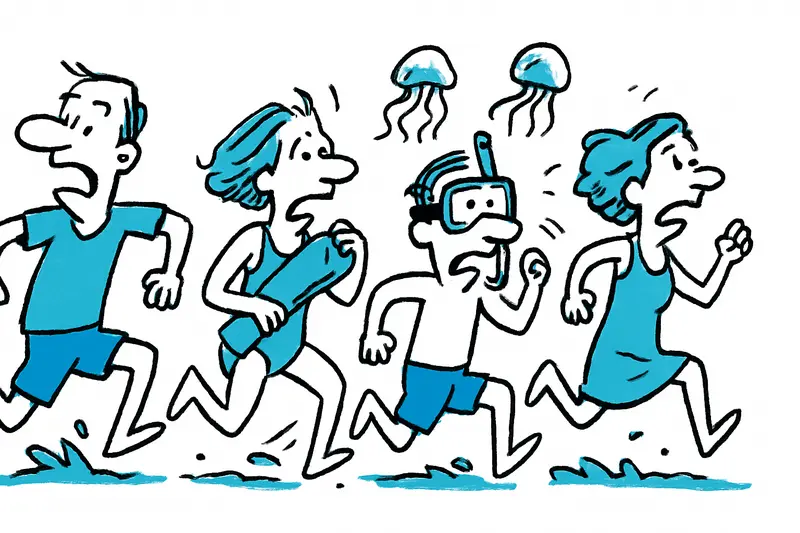
Stinging jellyfish in Cala Banyalbufar: Why everyone suddenly fled the water
In Cala Banyalbufar, Pelagia noctiluca washed up in droves. A personal account of why this is no coincidence, what is of...
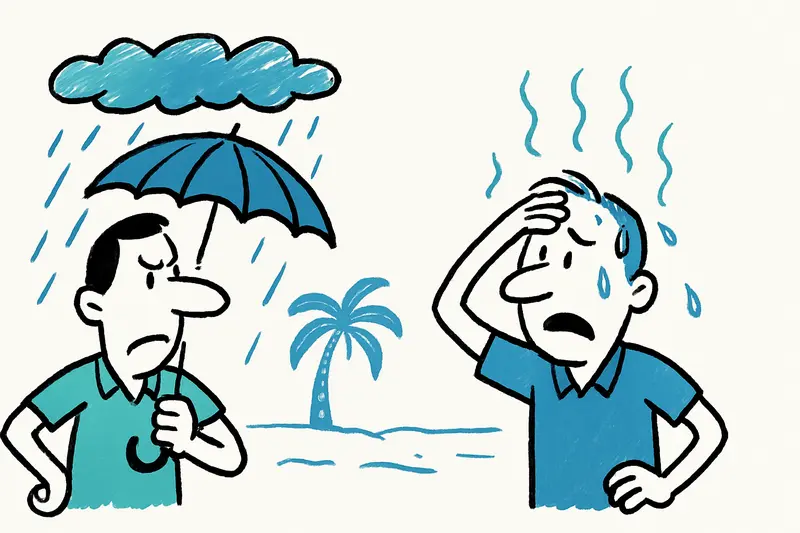
New low-pressure trough brings rain — and the heat remains: What's missing in Mallorca?
A short, intense window of showers hit Mallorca, yet the air remained muggy and warm. Key question: Why does rain hardly...

Klaus-Michael Kühne has died: The entrepreneur who gave Mallorca a second home
He first arrived on the island at 60; later the holiday house became Castell Son Claret – a hotel, a music venue and an ...

Buying Instead of Moving Away? Why Every Fourth Property Owned by Balearic Residents Isn't Located Here
Almost a quarter of the apartments purchased by Balearic residents are located on the Spanish mainland. A concise analys...
More to explore
Discover more interesting content

Boat Tour with BBQ along Es Trenc Beach

Private transfer from Mallorca Airport (PMI) to Pollensa
