
Filmed in the Restroom: What Cala Rajada Needs to Change Now
Filmed in the Restroom: What Cala Rajada Needs to Change Now
In a nightclub in Cala Rajada a German tourist was caught after allegedly filming a woman in the restroom. The incident raises questions about safety, prevention and how to handle digital violations in Mallorca's nightlife.
Filmed in the Restroom: What Cala Rajada Needs to Change Now
An incident that prompts reflection — and demands answers
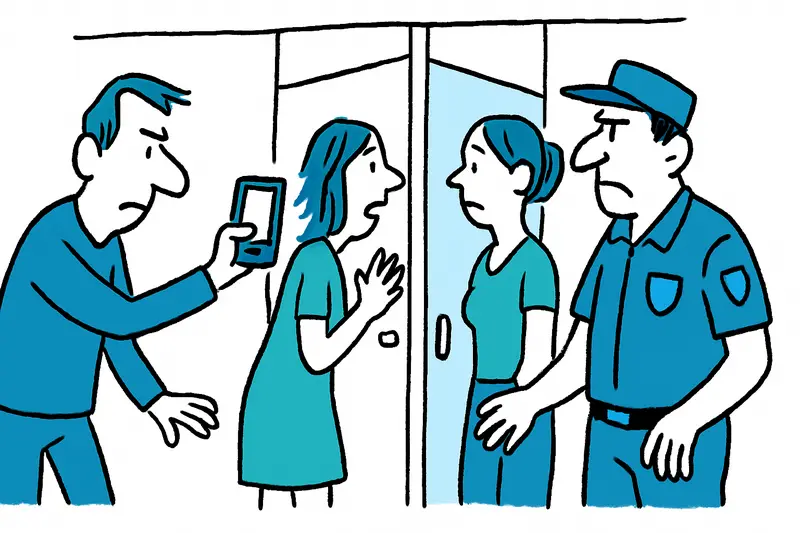
What happens when the slightest sense of security shatters on a carefree summer night? In the early hours of June 21 a 29-year-old German tourist was held in Cala Rajada after allegedly filming a visitor with his phone inside the women's toilets of a nightclub. Guests and staff intervened until the Guardia Civil arrived.
The scene, as reported: a woman uses a stall, another waits in line and notices an arm holding a phone over the partition. When the victim is informed, screaming and panic follow. Club employees overpower the suspect, who according to on-site reports was found with his trousers down; he was held until the officers arrived. Several patrol cars went to the venue.
Key question: why did such an invasion of privacy occur despite staff and a police presence — and what is missing so that victims don't feel left alone? This question is less theoretical than it may seem. It concerns architecture, staffing, law enforcement and the ubiquitous availability of a phone with a camera.
Critical analysis: at first glance this may look like an isolated incident. But the risk of digital assaults grows with the spread of small, powerful cameras in phones. In cramped, noisy spaces perpetrators rely on remaining unnoticed. That a witness was attentive and staff acted quickly prevented worse. At the same time the incident reveals weaknesses: how tight the queues are, how low or permeable some partitions are, and how little specially trained staff in nightclubs expect such situations.
What too often gets little attention in public debate is prevention, not only repression. It's important to bring perpetrators to justice — but we must not wait for the next woman to scream before help arrives. Often there are no clear instructions in multiple languages on how victims can act. Minimum structural standards for toilet stalls in busy nightlife areas or binding requirements for the presence and training of security teams are equally rare.
An everyday scene from Cala Rajada: it's shortly after two in the morning, the promenade still smells of fries and sea salt, taxis honk, and a bus from Palma drops off revellers at the corner. At moments like these clubs fill up; the atmosphere is hectic and guests pay attention to where they're going, not to what happens behind a stall door. It is precisely there that architectural details and staff do the crucial preliminary work to prevent assaults or at least discover them quickly.
Concrete proposals, not pious wishes: first, venues should be required to design toilet stalls so that no views or recordings are possible — higher partitions, no gaps above doors. Second: mandatory training for doormen and security staff, including procedures for suspected recordings, secure preservation of evidence and psychological first aid for victims. Third: information leaflets and notices in multiple languages and visible instructions on how to report incidents — not only online but directly inside venues. Fourth: cooperation between businesses, local police and tourism authorities to identify high-risk days and locations and to plan targeted patrols or prevention measures.
The discussion should also address the role of platforms: photos and videos spread rapidly. Operators and authorities must find ways to identify and remove illegal recordings faster and to facilitate victims' access to legal advice.
A final point for the present: venue staff should know how to detain suspected perpetrators in a legally secure way until police arrive while protecting the safety of all guests. Too often interventions end in scuffles that escalate the situation. A short summer training course organized by the town hall or neighborhood associations would not be a luxury.
Conclusion: the arrest in Cala Rajada was a correct and necessary response. But it is not enough. We need a mix of preventive architecture, clear rules, better-trained staff and more visibility of victims' rights — and we need it now while the season is still in full swing. Otherwise the fear of the next incident will remain, and that is the last thing our tourist spots need.
Frequently asked questions
What architectural changes can reduce privacy breaches in nightclub restrooms in Mallorca?
What security staff training is recommended to handle suspected recordings in Mallorca nightclubs?
How should Mallorca venues communicate reporting procedures for privacy incidents?
What role do platforms and authorities play in stopping illegal recordings in Mallorca's tourist areas?
What happened in Cala Rajada regarding restroom privacy, and what changes are being considered?
What preventive steps are suggested for Cala Rajada's nightlife to protect visitors this season?
How can nightlife safety in Mallorca, including areas like Palma, be improved to prevent privacy invasions?
Why is arresting a perpetrator not enough and what broader actions are needed in Mallorca's tourist spots?
Similar News

Jeckliner at Sunnesching: Cologne spirit sets sail from Palma
In September 2027 the Mein Schiff 2 briefly becomes a floating carnival stage: four days with Cologne bands, comedy and ...
Finally Home: Mike and Leyla Heiter Buy Villa with Sea View in Mallorca
The reality TV couple Mike and Leyla Heiter have bought a house in Mallorca with a roof terrace and sea view. An Instagr...
Arrest after series in Palma: Who protects apartments from repeat offenders?
The National Police arrested a man in Palma who investigators say may have broken into several apartments. In one incide...
How a Teenager Without a Driver's License Stole a Rental Car — and What It Means for El Arenal
In El Arenal a minor took advantage of an unattended rental car with its engine running. Flight, climbing over walls and...
Three-ton llaut salvaged in Puerto Portals – volunteers clear microplastics from the harbor
During the weekend operation in Puerto Portals, divers pulled an approximately three-ton llaut from the harbor. Associat...
More to explore
Discover more interesting content

Can Cap de Bou

Townhouse Lleo 72
