
When an Apartment Becomes the Source of a Fire: Trial in Palma
When an Apartment Becomes the Source of a Fire: Trial in Palma
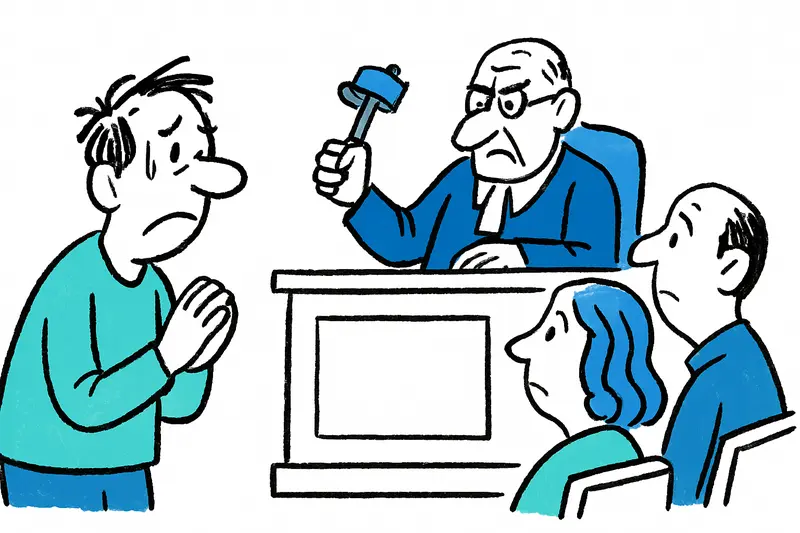
A man must answer in court in Palma: in 2020 a fire was discovered in his apartment in Pere Garau and the building was evacuated. The prosecution seeks seven years in prison and about €5,300 in damages. Why the case raises more questions than answers, and what it means for neighbors.
When an Apartment Becomes the Source of a Fire: Trial in Palma
In the courtroom and on the street: An incident from Pere Garau in 2020 continues to provoke discussion
Guiding question: How do the city, the justice system — highlighted in cases such as Palma on Trial: The Major Real Estate Fraud and the Question of Justice — and the neighborhood handle a case in which a resident is accused of having set his own home on fire?
Five years ago, in a building in the Pere Garau neighborhood, a fire alarm triggered a nighttime evacuation. People stood in jackets on the pavement, breath condensed in the cool air, a neighbor quickly fetched blankets from the car boot, and others called for information. No one was injured at the time. Now a man is on trial; the prosecution demands a seven-year prison sentence and that the defendant pay roughly 5,300 euros in damages. Those are the known facts. What follows is less clear.
Critical analysis: At first glance the case seems straightforward legally — arson, endangering human life, property damage. But examining causes, motives and prevention is essential. The trial will focus on evidence: intention or accident? Were there previous tensions with neighbors, mental health issues, alcohol or drug problems, or technical faults in the apartment? Such factors change the legal assessment and are relevant to public questions: Was enough done to prevent the incident? And how are people living in precarious conditions treated?
What is often missing from public debate: concrete information about how social infrastructure responded. In many neighborhoods around Plaça de Pere Garau people know each other: supermarket clerks, older women on benches, children on their way home from school. But in on-site conversations one rarely hears whether there were warning signs before the fire, whether social services were involved, or whether the apartment had been technically inspected. It is also rarely discussed how the city enforces owner obligations and fire safety requirements in rental buildings — and whether tenant protection organizations play a role in such cases, as seen in Playa de Palma Trial: Who Bears Responsibility After the Rooftop Terrace Collapse?.
Everyday scene: Someone driving down Carrer de Manacor on a Tuesday morning hears delivery traffic, traders call out prices, and two residents at the corner cafe discuss the trial. 'It was terrible back then,' says one woman, 'we were all standing outside, the children were shaking.' Another resident shrugs: 'We're waiting for the verdict now. The main thing is that something like this never happens again.' Such voices show: for many the event is less a legal case than a reminder of vulnerable living conditions.
Concrete solutions: First, strengthen preventive inspections. Municipal teams could target older and poorly maintained buildings, as prompted by episodes like Fire near Porto Pi: What the blaze reveals about safety in Palma, and oblige owners to implement mandatory safety measures. Second, clear reporting and intervention pathways: neighbors need simple points of contact when they see warning signs — loud music, smells, unusual behavior changes. Third, expand social support: preventive home visits by social workers, psychological counseling and low-threshold addiction treatment reduce the likelihood that private crises end in dangerous situations. Fourth, explain legal sanctions transparently: verdicts should clarify how they combine prevention and deterrence without stigmatizing all affected people.
Another point: compensation claims. The payment of around 5,300 euros is aimed at restoring material values. For many affected people, however, the emotional burden — nighttime evacuation, loss of sense of home — cannot be quantified. The discussion should therefore also include alternative forms of redress, such as municipal support for reoccupying homes or counseling offers for traumatized neighbors.
Conclusion: A trial answers legal questions; it does not replace the everyday work on safe neighborhoods. Walking through Pere Garau you see not only a courtroom headline in a newspaper, but people who want to return to their homes carefree. The balance remains decisive: clarify individual responsibility while creating structures that prevent such cases. The court will pronounce a measure of justice tomorrow. The city and its community must make sure people can live safely afterwards.
Frequently asked questions
What is the weather usually like in Mallorca at the start of May?
Can you swim in Mallorca in early May?
What should I pack for Mallorca in early May?
Is early May a good time to visit Mallorca?
What is Port d'Alcúdia like in the early May season?
Is Palma de Mallorca warm enough for sightseeing in early May?
Are beach conditions in Mallorca good in early May?
What are the best things to do in Mallorca in early May?
Similar News
Rental Car Theft in El Arenal: What This Incident Reveals About Our Gaps
A teenager steals a running rental car in El Arenal, flees on foot, climbs over walls and is caught by the Guardia Civil...
Red Rope in Palma's Library: What Helps Against Selfie Tourism — and What's Missing
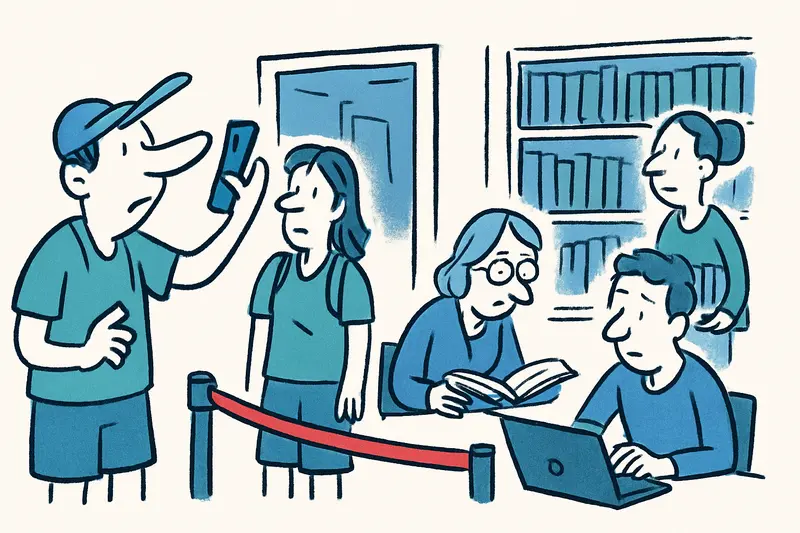
Palma's city library cordoned off an area with a red rope to keep selfie tourism away from reading and working activitie...
Fort San Carlos: Museum, Harbor Dispute — and a Conflict That Demands Answers
The military museum at Fort San Carlos sits right on Palma's harbor, with unexpectedly quiet rooms filled with cannons a...
Old Town Under Pressure: When a Doorway Becomes a Sleeping and Shower Place
For months a woman has been living with a parasol, a clothes rack and personal belongings next to the social welfare off...
When Shopping Weighs Heavier: Mallorca Demands a Tax Pause on Food and Fuel
Rising prices are putting pressure on households and agriculture. The Balearic Islands are calling for temporary tax rel...
More to explore
Discover more interesting content

Can Cap de Bou

Townhouse Lleo 72
