
Playa de Palma Trial: Who Bears Responsibility After the Rooftop Terrace Collapse?
At the hearing into the collapse of a rooftop terrace at Playa de Palma, the club owner testified that he knew nothing of defects and had made payments. But central questions about building-law responsibility, inspections and possible systemic failures remain unanswered.
Playa de Palma Trial: Who Bears Responsibility After the Rooftop Terrace Collapse?
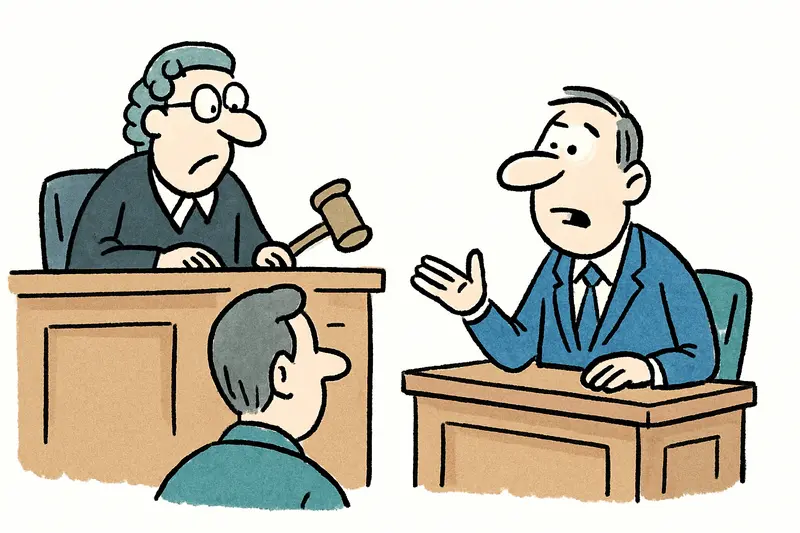
It is a cool November morning on the Paseo of Playa de Palma; the wind carries the salty scent of the sea and the distant roar of the waves merges with the crack of footsteps on the sidewalk. In the court hearing after the terrace collapse in Palma sits a man whose rooftop terrace collapsed in May 2024 and cost four people their lives. He is the operator of the beach club – today he testifies: "I knew nothing."
The Key Question: Knowledge or Neglect?
Much stands or falls with that statement. The defense emphasizes diligence: inspection reports, safety checks and a deposit of €250,000 as financial support for the injured and bereaved have been presented, as detailed in Medusa Beach: Who Bears Responsibility After the Collapse? But the central question remains, repeatedly asked in the courtroom: Was that enough, or were warning signs missed — out of ignorance, negligence or structural gaps in the system?
Scene before the court: Relatives hold photos in their hands, some stand silently in small groups, an older neighbor breathes deeply and says quietly that the matter will "finally be examined." It is this mix of grief, anger and the desire for clarity that shapes the atmosphere.
Building-law Responsibility: More Than Just a Name on a Sign
Legally the situation is complex: Who is liable when a structural element fails — the owner, the operator, the architect, the construction company, or the authority that granted the permit? The records concern permits, final approvals and the question of whether the terrace was considered an approved permanent construction or a temporary extension. This distinction is not merely formal: it determines inspection intervals, responsibilities and insurance issues.
Often underdiscussed is the role of private inspection bodies: who commissions the inspections and who audits the auditors? When technical reports are presented after the fact, they say little about the condition shortly before the accident. The blur between routine checks, spot inspections and truly independent assessments creates gray areas.
The €250,000: Testament to Compassion or Quiet Admission?
The deposit of a sum for victims is understandable on a human level, yet the debate in court revolves around whether it should be seen as a sign of responsibility or merely pragmatic aid. Financial payments can alleviate suffering, but they do not replace the legal clarification of the cause or structural prevention to ensure such events do not recur.
What Often Gets Left Out of the Public Debate
There are three aspects that have so far received little attention: first, the workload of the local building supervision, which juggles applications and complaints in tourist hotspots; second, the practice of remedial work and improvisation during the high season when venues must open quickly; and third, whether language and cultural barriers during operator changes lead to loss of information — a not uncommon situation in Mallorca.
Concrete Opportunities and Solutions
Ideas emerge from the courtroom that go beyond assigning blame: a central, publicly accessible database for inspection reports and final approvals, mandatory independent third-party assessments for load-bearing additions, stricter reporting obligations when the use of outdoor areas changes, and standardized maintenance logs that must be submitted regularly. In addition: faster support for victims that is not delayed by lengthy civil proceedings.
Practically and locally, a short-term safety program for similar rooftop terraces on the Playa would also make sense: visual inspections, load tests and, if necessary, temporary closures until the results are available. It would disrupt daily life for residents and guests in the short term, but it could save lives.
Next Steps — and a Sober Outlook
The court is still hearing experts, and re-inspections at the site of the accident are planned. For the relatives and the injured, time remains a test of patience; the pace of the court is not the pace of mourning. For the island, the case means more than a single construction failure: it is a wake-up call for better controls, clearer responsibilities and more open communication between authorities, operators and the neighborhood.
Note: The statements in the courtroom are part of ongoing proceedings and are not the final verdict. What remains is the work on structures that can prevent such tragedies — and the quiet, pressing need of the people at the Playa for answers.
Frequently asked questions
What usually decides who is responsible after a terrace collapse in Mallorca?
How do courts in Mallorca look at inspection reports after a building accident?
Why does a rooftop terrace collapse matter for safety rules in Mallorca?
What can victims and families expect during a court case in Mallorca after a fatal accident?
What does a financial deposit mean in a Mallorca accident trial?
Is Playa de Palma checked more closely after the terrace collapse?
Who should check rooftop terraces in Mallorca: the owner or the operator?
What changes could make terrace safety better in Mallorca?
Similar News
Who is to blame for Mallorca's space problems: the tourists or the system?
The debate is heated: tourists as scapegoats? Numbers on vacation rentals, hotel beds and population growth paint a comp...
Nighttime Threat at Playa de Palma: Minor Arrested with a Club
In the early hours, a youth at Playa de Palma allegedly threatened passers-by with a heavy club and smashed a car windsh...
Missing Housing on Mallorca: 17,000 Units Nobody Can Just Conjure Up
The island faces a structural imbalance: population is growing much faster than housing. Why 17,000 housing units are mi...
Rental Car Quotas in Majorca: One-Year Postponement or Chaos?
The association of car rental companies is calling to delay the planned restrictions by one year. The debate centers on ...
It's Getting Rough: What the Crime Statistics for Mallorca Really Say
The official half-year figures report significantly more offences on Mallorca. Numbers, locations and types of offences ...
More to explore
Discover more interesting content

Can Cap de Bou

Townhouse Lleo 72
