
Arrest before Mallorca flight in Cologne/Bonn: Warrant stops holidaymaker
During a random check at Cologne/Bonn Airport, federal police discovered an outstanding arrest warrant against a 46-year-old traveler. He paid €1,886 instead of serving 15 days in custody and was released.
Arrest before Mallorca flight in Cologne/Bonn: Warrant stops holidaymaker
Random spot check uncovers an outstanding enforcement warrant — curious timing with a later departure
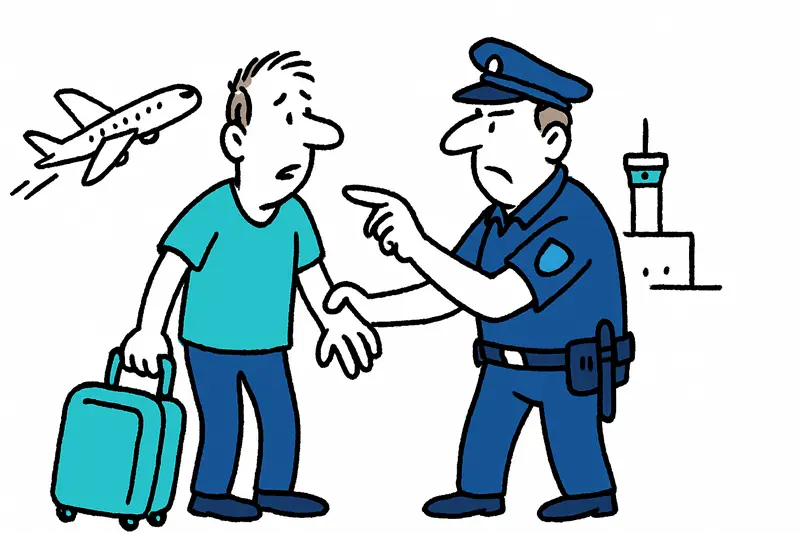
A 46-year-old man of Polish origin intended to depart for Mallorca on a scheduled flight in early January. At Cologne/Bonn Airport, routine exit checks did their job: Federal Police discovered an outstanding enforcement warrant issued by the public prosecutor's office in Münster for an offence of insult. Instead of proceeding through, his trip initially ended at the police station.
The legal situation was straightforward yet uncomfortable: the accused faced a substitute custodial sentence of 15 days — or the immediate payment of a sum of €1,886. According to authorities, the man chose to pay and was able to leave the station in the early afternoon. His release was recorded at 16:25.
The practical question many ask is: did the holidaymaker still catch his plane? Officially, the officers could not provide a definitive answer to the inquiry. A look at flight data, however, suggests a possible aftermath: the takeoff originally scheduled for 15:15 was, according to Flightradar24, postponed to 17:24. In terms of timing, the pieces could have still fit together.
Key question: how much security does travel need, and when does inconvenience end? Spot checks by the Federal Police serve public safety. They show that control mechanisms work; but similar incidents occur elsewhere, such as Mallorca holiday ending with detention at Düsseldorf airport. But for the individual, such a measure can be existentially threatening — especially when holiday plans, work or connecting travel are at stake.
Critical view: airports are hubs with two faces. They are both places of leisure and of control. On a gray January morning in Palma someone might be looking for the sun at a café on Passeig Mallorca, while elsewhere officers tick off lists and check arrest warrants. The balance between security and travel enjoyment is delicate. What is missing is more transparency in procedures and faster information flow between the judiciary, police and airlines.
In public debate, the consequences for travelers are rarely discussed: who bears the costs for missed flights, hotel nights or lost holiday time? The discussion often runs on two levels — legal and emotional — without a middle ground for everyday situations. The question of whether fines can be collected on the spot at airports also remains puzzling, since airports are not primarily equipped for that.
Everyday scene from Mallorca: imagine the Plaça Major in Palma, delivery vans honking and a vendor's voice echoing across the market. A family from Germany could already be on the beach today, but an arrest warrant checked at a control point in North Rhine-Westphalia prevented that, as in the case of a man detained on landing in Cologne/Bonn. Such small interventions in travel plans are more than a footnote on the island: hosts, taxi drivers and café owners feel them when guests arrive late or do not show up at all.
Concrete proposals: better networked data queries between courts and border authorities would resolve cases earlier. A simple step helpful for travelers: check your file at the competent court before traveling if there are older proceedings or unresolved fines. Citizen offices and consulates could do more to inform about possible consequences. Airlines, for their part, could give clearer guidance on how long before departure checks take place and what consequences may follow.
Conclusion: the check at Cologne/Bonn Airport shows that the system works — for public safety. For the individual, however, it means stress, costs and uncertainty. Those travelling to Mallorca should ideally take not only swimwear but also printed proof of their current legal status. And the authorities? They could work to ensure security checks do not become a proverbial ball and chain for travelers, but are carried out efficiently and fairly.
Frequently asked questions
Can a travel warrant stop you from flying to Mallorca?
What happens if German airport police find an outstanding warrant before a Mallorca flight?
Can you still catch a Mallorca flight after paying an airport fine or warrant amount?
Do airport security checks in Germany affect Mallorca holiday flights often?
What should I check before flying from Germany to Mallorca if I have old fines or legal issues?
Is there a difference between a fine and an arrest warrant at a Mallorca airport check?
Why do airport checks sometimes cause delays on Mallorca-bound flights from Cologne/Bonn?
What does a Mallorca holiday mean when you are delayed at the airport before departure?
Similar News
Released with Conditions: The Plus Ultra Suspicion and a Mallorcan Finca as Residence
A Dutch entrepreneur, sought in connection with the Plus Ultra case, was extradited to Spain after his arrest in Germany...

Haute Nuit in Puerto Portals: Fashion, Art and Indulgence by the Water
On October 2 the Lobster Club in Puerto Portals will be transformed into a stage for curated fashion, art and culinary e...
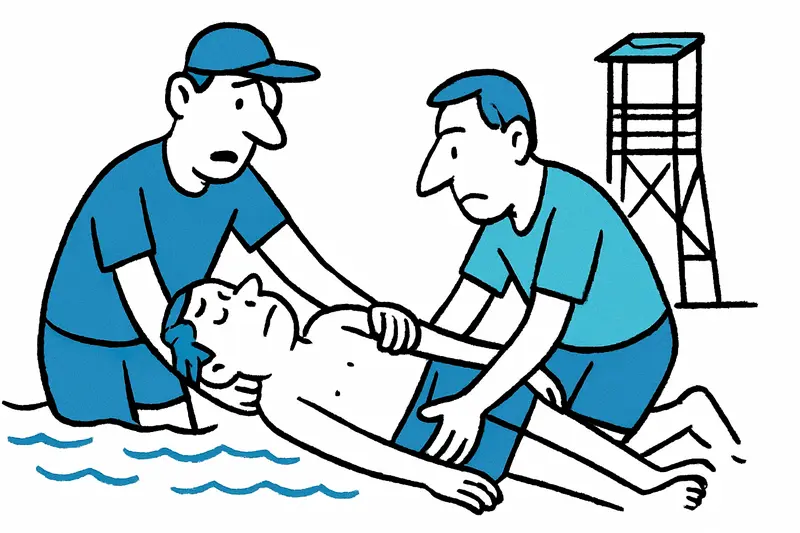
Magaluf: Watchtower Alarm – Lifeguards Pull Unconscious Beachgoer from the Water
After a drama in the late afternoon, two lifeguards at Magaluf beach rescued an unconscious 44-year-old man. He was stab...

Turquoise in the City: How dangerous is the color play of the Sa Riera?
The Sa Riera in Palma suddenly turned turquoise — a pretty motif, but behind the effect lies a discharge of saline waste...

Jeckliner at Sunnesching: Cologne spirit sets sail from Palma
In September 2027 the Mein Schiff 2 briefly becomes a floating carnival stage: four days with Cologne bands, comedy and ...
More to explore
Discover more interesting content

Can Cap de Bou

Townhouse Lleo 72
