
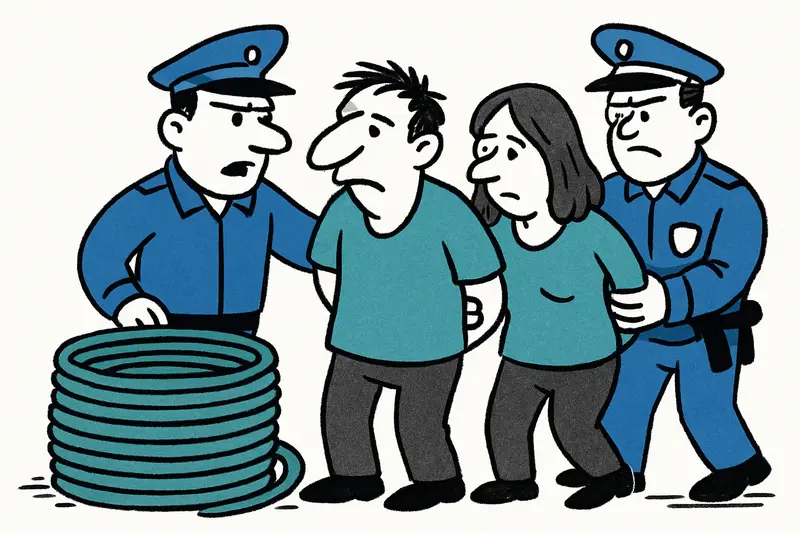
Almost a Ton of Copper: Arrest in Palma Raises Questions About Security and Disposal
In Palma a man and a woman were arrested: investigators speak of almost a ton of stolen copper cable from streetlights. The series of thefts not only left streets dark but also exposes weaknesses in protection, disposal and prevention.
Almost a ton of copper stolen: How secure are Palma's streetlights?
In Palma investigators arrested a couple, according to Detención en Palma: pareja habría robado casi una tonelada de cable de cobre. They are suspected of having systematically removed copper cable from streetlights between March and July. The result was dark stretches of road in neighborhoods like Son Ferriol and Son Espanyol, as described in Electricity theft in Palma: Copper robbery leaves streets in the dark – windy evenings, barking dogs, people feeling their way through otherwise familiar alleys with flashlights. The central question is: How could so much material go missing unnoticed for months?
What happened – and what is often overlooked
The police speak of a total of almost a ton of copper cable. Technically that sounds abstract; in everyday life it means: traffic lights and lighting failed, neighbors felt unsafe, parents brought children home earlier. A resident of Son Ferriol reports: “Last month we had two streets without light three nights in a row. You don't like leaving the house then.” Such images stick – fear of burglaries increases, cyclists and pedestrians are put at risk, and city operations are disrupted.
Less attention is paid to how the stolen goods are further processed. Copper is in demand, easy to sell and transportable. Scrap dealers, intermediaries and illegal buyers often form a network that makes thefts financially attractive. In addition: larger quantities like these are hard to hide, but also hard to trace if there is no seamless documentation in the supply chain.
The cost question: repairs, personnel, trust
The city administration organized emergency crews to restore temporary lighting. Technicians say that replacing cables takes time and materials – and strains an already tight budget. The bill goes beyond the purely financial expenses: police deployments, investigative hours and the loss of trust in public infrastructure are harder to quantify.
It also remains unclear whether the seizures are complete. The man is said to be known to the police; possible accomplices or customers for the copper are still being sought. Investigations therefore target not only the alleged thieves but also the structures that enable such crimes.
What is underrepresented in the debate
Public discussions usually focus on the perpetrators; less is said about prevention at the systemic level. How robust is the infrastructure against targeted removal? Are there technical barriers that would make theft less attractive? And how well organized are controls at scrap yards? These are levers that often aren't on the radar of everyday conversations.
Social causes also play a role: economic hardship and organized trade create demand for cheap metal. Looking only at the perpetrators is therefore not enough. Answers are needed on how the city can reduce incentives for such acts.
Concrete steps that could help now
There are practical measures that show short-term effects and reduce vulnerability in the long term: better installation with screw-proof enclosures, use of theft protection on connection boxes, faster reaction times in outages, targeted checks of scrap dealers and a mandatory proof-of-origin requirement when purchasing larger quantities of copper. Technical modernizations such as connected, smart street lighting also help: they report failures immediately and reduce downtime.
In addition, neighborhood vigilance and simple reporting systems are important. If residents see unusual transports at night, they should inform the police – better one report too many than one too few. Photos and times greatly help investigators, as long as taking pictures is safe.
Outlook: repair, prevent, clarify
The arrest in Palma is a beginning, but not an end. The task now is to close gaps: in technology, in monitoring the scrap market and in social services that could reduce demand for stolen material. For the people of Son Ferriol and Son Espanyol this means: streets will soon be lit again, but also an expectation that the city will learn from the incident.
Investigations continue. The police ask witnesses to come forward. Every observation can help to break the chain along the theft and distribution routes.
Frequently asked questions
Why were some streets in Palma left without lights for months?
Is it safe to walk around Palma when street lighting is out?
What should residents in Mallorca do if they notice unusual cable theft or streetlight damage?
Why is copper theft such a problem for cities like Palma?
How can Palma prevent streetlight cable theft in the future?
What happened in Son Ferriol and Son Espanyol in Palma?
Why do scrap yards matter in copper theft cases in Mallorca?
What does a streetlight outage in Palma mean for daily life?
Similar News

When coercive fines aren't enough: Could holiday rental owners soon face prosecution?
The island administration is stepping up action against unauthorized holiday rentals: high daily coercive fines up to €5...

Palma Airport on an Expansion Course — Who Decides How Much Growth the Island Needs?
Aena and Madrid are planning multi-million euro investments for Son Sant Joan and project higher capacities. Concern is ...
Who Gets Left Out? Why Overbookings Will Hit Many Mallorca Travelers This Summer
On hot check-in days at Son Sant Joan, frustrated travelers pile up. New figures from Reclamador.es show that a large sh...
When the Handyman Came: How an Engagement Ring Disappeared in Mallorca and What It Says About Trust
During a repair in Andratx a highly personal engagement ring went missing — a case that calls not only for punishment bu...
How Burglars Test Fincas in Mallorca — and What You Can Do About It
The Spanish National Police warn of a simple but effective trick: small markings on doors reveal whether a finca is occu...
More to explore
Discover more interesting content

Can Cap de Bou

Townhouse Lleo 72
