
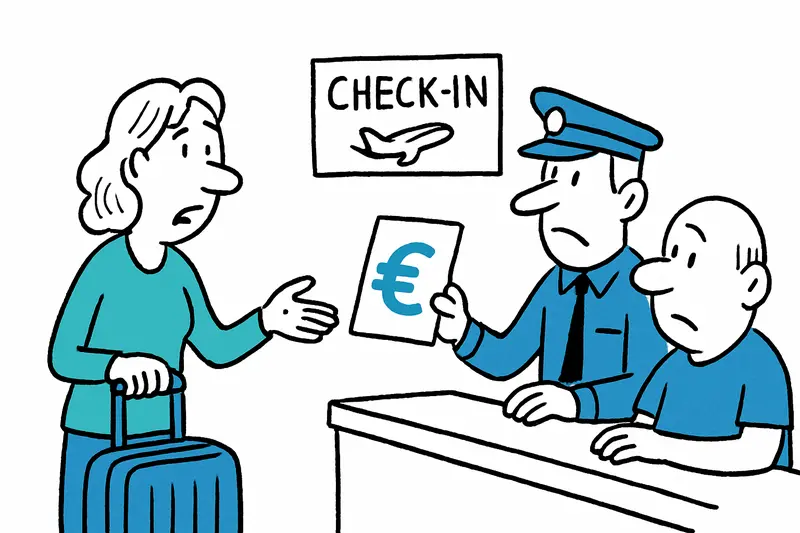
Arrest warrant at check-in: Why two travelers at Cologne/Bonn Airport suddenly had to pay
Arrest warrant at check-in: Why two travelers at Cologne/Bonn Airport suddenly had to pay
At Cologne/Bonn Airport, federal police in mid-September found two German passengers subject to enforcement measures. Both women were able to settle outstanding fines (€3,586 and €900) and continue their journeys. A reality check on information gaps, jurisdictional questions and practical solutions for travelers and authorities.
Arrest warrant at check-in: Why two travelers at Cologne/Bonn Airport suddenly had to pay
Key question: How can it be prevented that people are only confronted with outstanding enforcement measures at the airport?
On Tuesday, September 15, the federal police at Cologne/Bonn Airport reported an unusual scene: A 43-year-old German woman approached officers of her own accord and said she feared there might be an arrest warrant for her. A subsequent check revealed that the Landshut public prosecutor's office was searching for her — due to a conviction under the Narcotics Act and an outstanding monetary claim of €3,586. After paying the amount, the woman was allowed to leave the station. A similar case saw a 28-year-old arrested immediately after landing in Cologne/Bonn.
A day earlier, on September 14, a 24-year-old traveler on her way to Palma was affected; according to the report she paid €900 because enforcement was being carried out against her for fraud.
This is striking because airports are usually not places where such problems should be resolved. In the middle of check-in, between rolling suitcases and announcements, people are suddenly declared debtors or confronted with threats of arrest. For those affected it is a personal escalation; for the authorities it is an administrative problem that raises loud questions about responsibilities and procedures. There are also cases of travelers being briefly detained after taking the wrong checkpoint.
Critical analysis: The cases reveal several problem areas. First: information channels between the judiciary and those affected are apparently not always smooth enough for travelers to be informed early or to have the opportunity to settle matters before traveling. Second: airports function as control points, but not as advisory centers for enforcement; long security checks at Cologne–Bonn can exacerbate these situations. Third: the quick solution by paying cash at the desk is pragmatic, but it does not solve the fundamental problem — it only helps the individual traveler in a moment of need.
What is missing in the public discussion is the perspective of travelers: Many people, especially commuters and holidaymakers, book flights weeks in advance, organize work and family, and ultimately face the decision whether to make a necessary payment immediately or to face proceedings. Who explains their rights? Who tells them what concrete consequences non-payment has? And why do court payment requests not always reach their intended recipients?
Everyday scene from Mallorca: At the Plaça Major in Andratx, where locals drink their café con leche in the morning and delivery vans squeal by, the topic comes up in conversation: “You hear it again and again that someone suddenly gets into trouble at the airport,” says a market vendor. Such stories put a holiday on hold — and create anger, bewilderment and, in some cases, shame. An incident in Arenal, described as Arenal: Arrest warrant during a routine report, underlined how visible this problem can be.
Concrete solutions that could be implemented quickly:
1. Improved service of documents and deadlines: Courts and public prosecutor's offices should examine whether reminders and enforcement notices can be delivered electronically and whether longer deadlines for payment can be granted before travel bans or arrest warrants are actively pursued.
2. Transparency for those affected: An easily accessible online check (without bureaucratic hurdles) could allow people to verify outstanding claims before traveling. This service must be data-protection compliant and secure.
3. Coordination between authorities and airports: Training for officers at airports, clearer process chains between the judiciary, enforcement and police, as well as the option to process payments contactlessly and transparently, would reduce hectic situations and misunderstandings.
4. Duty to inform at ticket purchase: Airlines and travel platforms could inform travelers more clearly in their terms and conditions that certain legal situations can lead to travel restrictions — without causing panic, but with useful guidance.
These proposals do not aim to create a false sense of security: It is not about avoiding penalties, but about making procedures fairer, more transparent and more predictable. If an arrest warrant is justified, it must be enforced. If, however, it concerns outstanding monetary claims, there should be ways to settle them without people being put under pressure at the departure gate.
Conclusion: Two cases within 48 hours at the same airport are not an indication of a mass phenomenon, but they do point to gaps in the flow of information and procedural design. Anyone walking along the Passeig Marítim in Palma in the evening and listening to the voices of the cafés will sense it: freedom to travel depends on reliability. Authorities and service providers should ensure that reliability does not end at check-in.
Pointed: Better to be informed early than to pay late — and airports are not an acceptable place for judicial surprises.
Frequently asked questions
What’s Mallorca’s weather like and when is the best time to visit for outdoor activities?
Can I swim in Mallorca year-round, and what should I expect from the sea?
What should I pack for a trip to Mallorca?
What outdoor activities are popular in Mallorca?
Is public transport enough to explore Mallorca, or should I rent a car?
What safety tips should I follow on Mallorca’s coast?
How can I experience Mallorca’s culture and cuisine?
What’s a balanced Mallorca itinerary that mixes coast, mountains, and towns?
Similar News

Balearic Islands as a New Route: A Reality Check on Rising Boat Migration
For the first time the Balearic Islands are ahead of the Canary Islands in boat arrivals. What do the numbers really say...
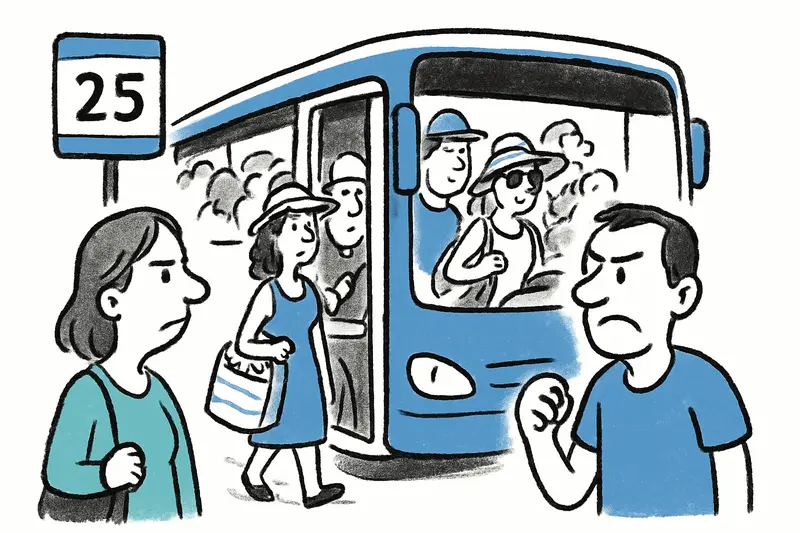
Residents First at Palma's Stops? A Reality Check on Negueruela's Bus Idea
The proposal to prioritize residents with TIB or Tarjeta Única cards when boarding strikes a nerve. But what would a pri...

Why traffic jams in Mallorca stress us more than elsewhere
A study shows: 40 percent of Balearic residents name traffic jams as a major source of stress. We ask: why is that — and...
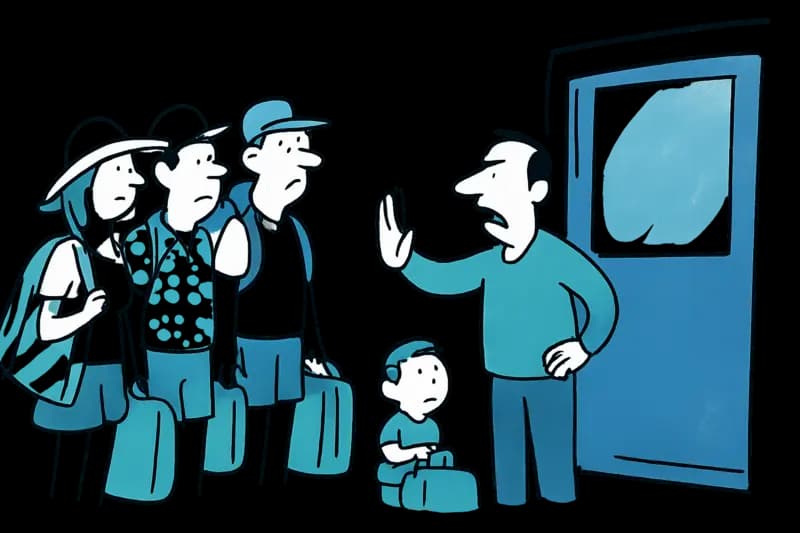
Residents first: Why Palma's city buses should give priority to residents
A proposal is causing debate: residents in Palma should be given boarding priority. Why the idea grows out of everyday l...

When the Artist Sits at the Table: Icon Zar and the Fine-Dining Experiment in Mallorca
A dinner becomes a small cultural event: Icon Zar brings artists, chefs and collectors to the same table. In Palma it so...
More to explore
Discover more interesting content

Can Cap de Bou

Townhouse Lleo 72
