
Attempted Insurance Fraud in Mallorca: Who Sets Fires — and Why the System Fails
A car worth €60,000 was set on fire in a hospital parking lot; three arrests followed. What does the case reveal about fraud risks, controls and the local situation? A critical perspective.
Attempted Insurance Fraud in Mallorca: Who Sets Fires — and Why the System Fails
Key question: How could a planned remedy for financial distress become a public endangerment — and what is missing to make this happen less often?
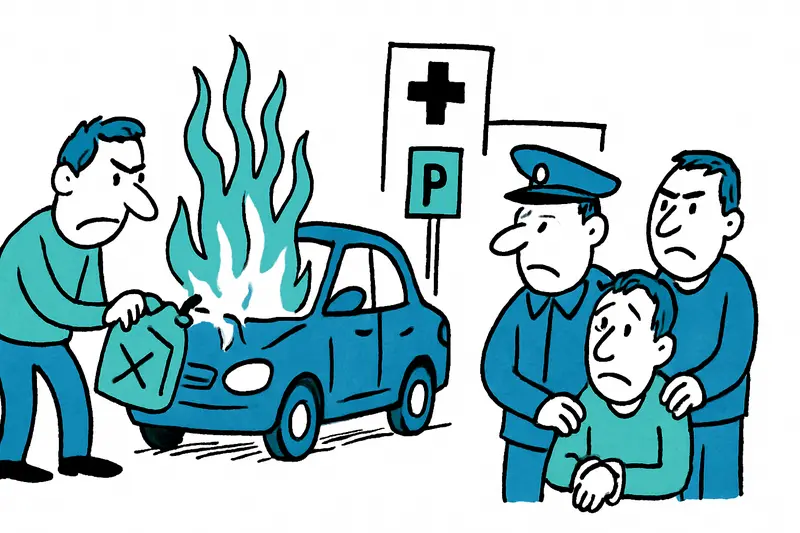
At the end of October, a vehicle worth around €60,000 burned on a hospital parking lot in Mallorca. The Spanish National Police arrested three men during the investigation — including the registered owner of the car, as reported by Insurance Fraud in Palma: Three Arrests After Car Fire — What This Means for the Island. Official statements indicate: the alleged theft was staged, the fire was set deliberately, and the loss was later reported to the insurer. The driver, who is said to have transported the car, stated that he received €100 for his role. Investigations are ongoing and further arrests are not ruled out.
In short: what was planned as quick money ended as a criminal act with fire risk and accusations of fraud. Such incidents are not a harmless local episode. They expose structural weaknesses, both in insurance checks and in the monitoring of public spaces, as local reporting such as Fraud de seguros en Palma: tres detenciones tras incendio de coche — qué significa esto para la isla shows.
Critical analysis: the case reveals several deficiencies. First: a theft report apparently often suffices to set a chain of processes in motion that are difficult to verify later, a pattern noted by the Insurance Fraud Bureau. Second: arson of one's own property is legally thorny but practically hard to prevent when perpetrators calculate the risk deliberately. Third: people who act as transporters for a few euros make the scheme cheap and replaceable — a pattern that is easy to copy from a crime-economics perspective.
What is often missing in public debate: the discussion usually stops at the headlines — arrest, alleged fraud — and overlooks three points. First, the consequences for third parties: on a hospital parking lot there are emergency routes and patients nearby. It was fortunate no one was injured; it could have had a different outcome, as the NFPA guidance on vehicle fires explains. Second, the role of small actors: why do people accept risky, illegal tasks? Third, the question of systemic responses: how quickly do insurers detect anomalies, and how well do they cooperate with police and municipalities?
A mundane scene: on a cool November morning, when I walk from the Mercat de l'Olivar to the newsroom, I often smell diesel and late-brewed coffee. Cars park across the lot, vans manoeuvre, pedestrians hurry with shopping bags. A burning car on a parking lot near a hospital does not fit this rhythm. It stands out, not only because of the flames, but because it interrupts routine and catches you off guard: this concerns all of us.
Concrete proposals to reduce the likelihood of such incidents:
1) Better data analysis by insurers: Suspicious patterns — a large claim shortly after purchase, unusual location data, simultaneous reports — should be flagged and automatically reviewed before payouts are made.
2) Stronger police–insurer cooperation: Faster information channels in cases of suspicion, joint checklists for evidence preservation and clear contacts at the regional level.
3) Municipal protective measures: Increased camera coverage at sensitive parking areas like hospitals, better lighting and regular patrols could act as deterrents.
4) Independent assessment: No quick payouts without technical verification (telematics, GPS data, workshop reports), a solution discussed by Accenture on usage-based insurance and telematics. Mobile fire experts should also be easier to deploy.
5) Prevention and awareness: Information campaigns that make it clear that accomplices, regardless of their payment, can be prosecuted — this reduces the supply of "cheap drivers."
Conclusion: this incident is more than a local crime story. It is an example of how individuals try to manipulate a system — with potential consequences for many. Effective protection does not happen by snapping your fingers but requires coordinated steps: insurers must scrutinize claims more strictly, police and municipalities must work together better, and public authorities must make danger zones more visible. For the residents of Mallorca this means: more attentive observation, clear reports to authorities and the awareness that small decisions — for example offering to drive for €100 — can cause major harm.
Frequently asked questions
Why do insurance fraud cases in Mallorca sometimes involve car fires?
How dangerous is a car fire in a hospital parking lot in Mallorca?
What should insurers in Mallorca check before paying out a suspicious theft claim?
Why do people agree to drive a car for money in an insurance fraud case?
What can Mallorca municipalities do to reduce car fires in public parking areas?
What happens after an insurance fraud arrest in Mallorca?
How can Mallorca residents spot a suspicious car fire or theft report?
Why do insurance fraud cases in Mallorca matter to people who were not involved?
Similar News
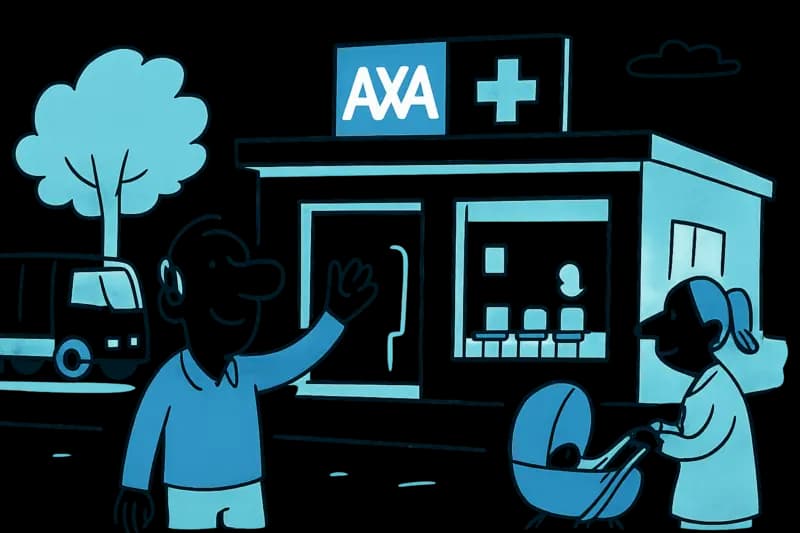
Axa opens first health center in Palma: €3 million, 650 m² and more local access for La Vileta
In the heart of La Vileta, Axa has opened its first own health center in Mallorca. On around 650 square meters and with ...
30 Years of Nit de l'Art: What Palma's Art Night Really Shows — and Conceals
Nit de l'Art celebrated its thirtieth anniversary: full galleries, young visitors — and the quiet tensions between the a...
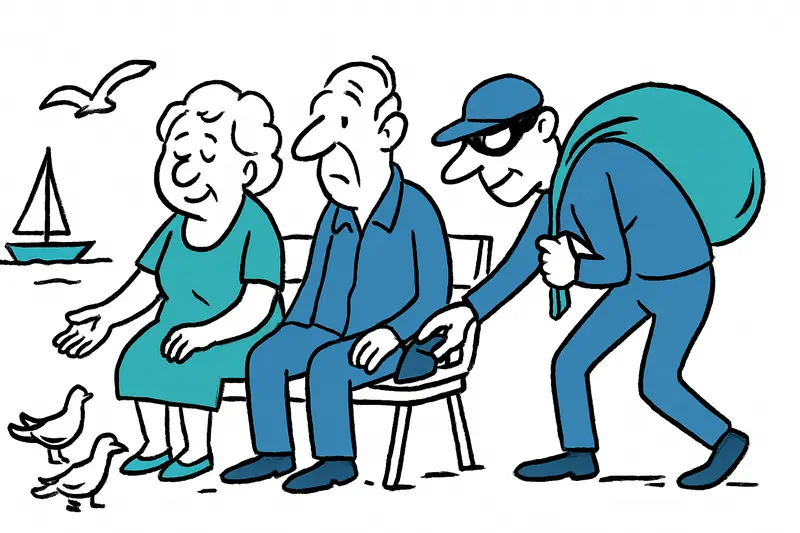
Hunt for Older Holidaymakers: Arrests after Suspected Pickpocketing in Port d'Andratx and Bellver
Five suspects were arrested after investigators accuse them of targeted pickpocketing of elderly tourists in Port d'Andr...
Knife stabbing in Magaluf: Why it must not remain an isolated incident
A 21-year-old tourist was stabbed in the chest in Magaluf and is in life-threatening condition. A reality check: what's ...
At Ten, Between Shoots and Schoolwork: Luna's World Tour from Palma
Luna is ten, 1.31 meters tall and already an in-demand child model. Between Ibiza, Paris, Lisbon and Berlin she commutes...
More to explore
Discover more interesting content

Can Cap de Bou

Townhouse Lleo 72
