

Balearic Islands: Inclusion under pressure – 63 percent more support needs in six years
Balearic Islands: Inclusion under pressure – 63 percent more support needs in six years
The CCOO union reports a sharp rise in pupils with special support needs. Schools on Mallorca are reaching their staffing limits.
Balearic Islands: Inclusion under pressure – 63 percent more support needs in six years
Key question: Can schools in Mallorca really care for the rising number of children with support needs without additional staff and funding?
Summary first: On the Balearic Islands, the number of pupils with special support needs has risen by nearly 63 percent in the last six years. This is reported by the CCOO union, which warns that teacher shortage in the Balearic Islands has left teachers and support staff already overloaded. Without extra funds and political commitment, care provision is likely to suffer and inclusion targets will remain piecemeal.
This is not an abstract bureaucratic dispute. On a gray morning walking past the Passeig des Born in Palma you hear schoolyard bells, children's voices and the dull clatter of a city bus. By the entrance of a primary school a mother stands, struggling with a stroller while trying to fill out paperwork. The teacher she speaks to still has regular remedial sessions to run at the end of the day. Scenes like this show: what is lacking is time, not just good intentions.
Critical analysis: Why has the number risen and why does it hit the system so hard? Part of the increase comes from better diagnostics and earlier school assessments – more children are detected today. Social factors also play a role: more children with foreign backgrounds, family strains, psychological stress after the pandemic and social inequality that exacerbate learning difficulties. The education system, by contrast, is slow: hiring rounds follow annual budget cycles, additional assistant positions (so-called integration aides) are often only financed temporarily and vary greatly by region.
What public debate rarely highlights are the interfaces with health and social services. Many children need comprehensive care – therapy, follow-up, parental support – which must be thought of beyond the school walls. Likewise, reliable publicly available data on the regional distribution of support needs is lacking; without this transparency targeted resource planning remains wishful thinking.
The everyday consequences are visible: larger classes, reduced remedial hours, teachers preparing individual education plan materials late into the evening. In villages like Llucmajor or small neighborhoods of Palma this means parents wait months for diagnoses, schools juggle part-time staff, and children often miss the support they need.
Concrete solutions must be practical and locally implementable. A few proposals, not as utopia but as a working program:
1. Short-term (within one year): Immediate increase of temporary assistant posts for the most acute bottlenecks; mandatory training hours for teachers on diagnostic and remedial practices; simple digital reporting channels between schools and health centers to shorten therapy waiting times.
2. Mid-term (1–3 years): Creation of mobile, multidisciplinary teams (education, psychology, speech therapy) to support schools as needed; a transparent regional atlas of support needs so funds reach areas where affected children are increasing; binding staffing plans instead of temporary financing.
3. Structural (3–5 years): Permanent increase of funds for inclusive education in the Balearic budgets; clear responsibility agreements between municipalities, health services and the education ministry; expansion of full-day offers with therapeutic components to combine support with supervision.
Many measures could also be tested locally: pilot projects in a municipality like Manacor or Alcúdia where a budget for inclusion aides, mobile therapy and accompanying parental work is provided for two years. Success criteria should be clearly defined: reduced waiting times, less lesson disruption, measurable learning progress.
What is missing in political discourse is the courage to prioritize. Resources are finite, but decisions are the tool to set priorities. If inclusion only appears as a slogan during election campaigns, it remains a policy statement. If, however, funds, staff and binding procedures are created, schools can truly become places where no child is left behind.
Conclusion: The figures – plus 63 percent in six years – are a wake-up call. On Mallorca and the rest of the Balearic Islands teachers, families and administrations are already confronted with this in daily life. More staff, clearer cooperation with health and social services and honest, transparent planning are needed. Otherwise inclusion risks becoming a permanent construction site: plenty of goodwill, but too little reality.
Frequently asked questions
Why are support needs in Balearic Islands schools rising so quickly?
Are schools in Mallorca able to support children with special needs properly?
What support do children with special educational needs need at school in Mallorca?
Why do teachers in Mallorca say inclusion is becoming harder to manage?
What is making school diagnoses slower for families in Mallorca?
What practical measures could help inclusive education in Mallorca schools?
How does the pressure on inclusion affect families in places like Palma or Llucmajor?
Could Mallorca test new inclusion support projects in individual towns?
Similar News
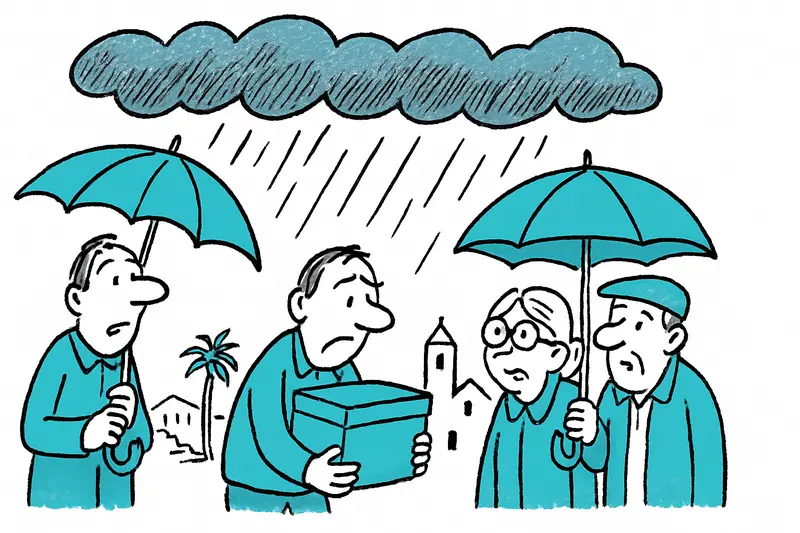
Several Days of Rain Approaching: How Well Is Mallorca Prepared?
Aemet says: rain from Thursday until at least Tuesday, especially heavy on Monday. Temperatures remain mild. A reality c...
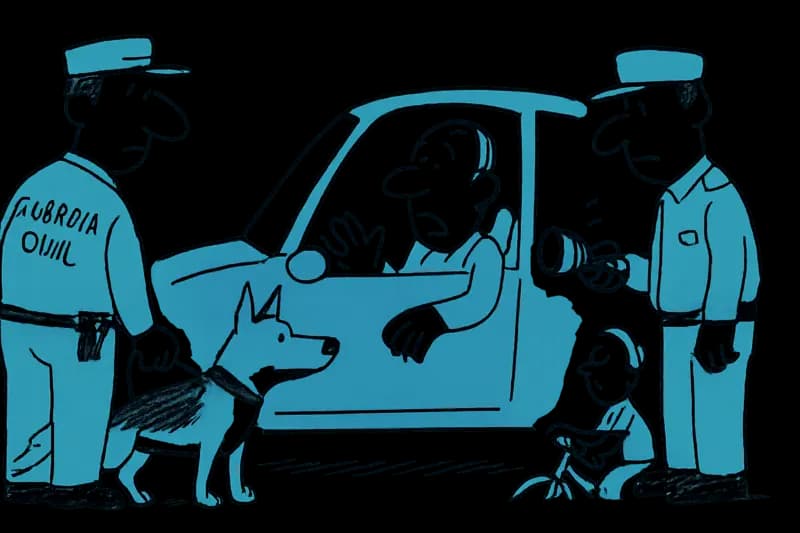
Nervous Reaction at a Traffic Stop: Why Campos Is Not Just a Sniffer-Dog Problem
At a traffic stop in Campos a 37-year-old German was arrested with a bag full of drugs. Our reality check explains why s...
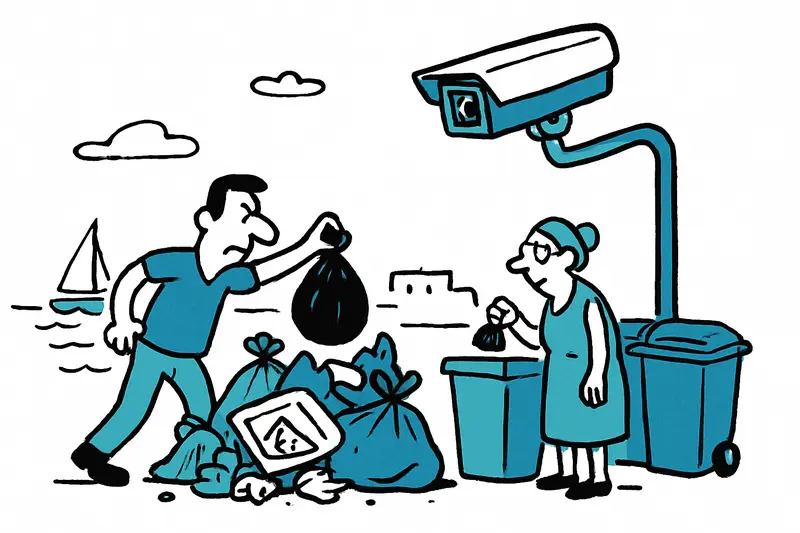
Cameras Against Illegal Dumping: Porto Cristo Monitors Problem Areas – a Reality Check
Manacor has installed four surveillance cameras at particularly problematic waste spots in Porto Cristo. A local check a...
Reality check: Palma's "white" torrent — harmless salt or neglected warning sign?
White crusts on the Torrent de Sa Riera are causing a stir. Emaya describes them as salt deposits. Our reality check: wh...
When Ryanair's fleet grows: What Mallorca's travelers should know
Ryanair will soon receive 737 Max 10 jets. The larger aircraft offer potential savings — but also new risks for flight o...
More to explore
Discover more interesting content

Can Cap de Bou

Townhouse Lleo 72
